
China in November Travel: The Complete 2026 Guide
TODO: Extract from article (100-160 chars)
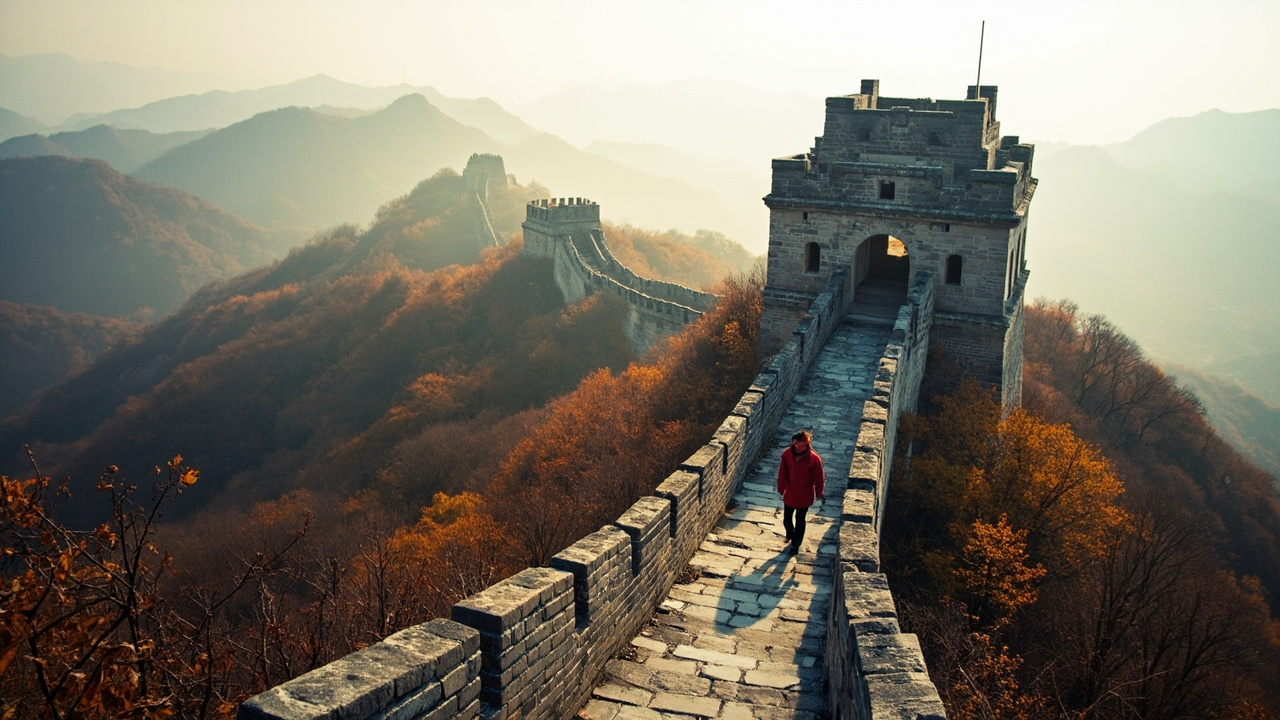
The rain came sideways off the Mutianyu watchtower, and I was the only person stupid enough to be standing on the wall without a hat. A Chinese grandmother in a bright red raincoat shuffled past me, looked at my soaked face, and handed me a packet of tissues without breaking stride. That was November in China. Cold, quiet, and unexpectedly generous.
Most first-time visitors come in May or October, when the crowds are thick and the prices are high. November is the secret. The summer heat is gone, the Golden Week chaos has faded, and the country settles into a slower rhythm. You’ll see the Great Wall with actual space to breathe, eat hotpot without sweating through your shirt, and watch autumn leaves turn the mountains gold and rust. The trade-off is real: it gets genuinely cold in the north, and some attractions shorten their hours. But if you pack a proper coat, you get China at its most honest.
This guide covers ten places I’ve actually visited in November, with real prices, real transport details, and the kind of practical advice you only get from making mistakes. I’ve lived in Beijing for seven years and traveled through China more than forty times. I’ve missed trains, overpaid for tea, and once spent three hours looking for a toilet in Xi’an. Learn from my failures.
Quick answer
Yes, November is an excellent time to visit China. Expect 5-15°C (41-59°F) in Beijing and Xi’an, 10-20°C (50-68°F) in Shanghai, and 20-28°C (68-82°F) in Guilin and Hong Kong. As of 2026, citizens of 54 countries including the US, UK, Canada, Australia, and most of Europe can enter China visa-free for up to 30 days for tourism. A 10-day China itinerary in November costs roughly $1,200-$2,000 per person including flights, hotels, and food, excluding international airfare.
The Short Version
If you only have 90 seconds, here’s the deal. November is China’s best kept secret: fewer crowds, lower prices, and autumn colors that rival New England. Beijing and Xi’an will be cold but magnificent. Guilin and Yangshuo will be mild and misty. Shanghai is fine but not the reason you came. Pack layers, download Alipay before you arrive, and book the Great Wall at Mutianyu instead of Badaling. The visa-free policy (30 days for most Western passports) makes this the easiest year in history to visit. Go now.
How I Picked These
I’ve spent seven years living in Beijing and made over forty trips across China, including four separate November visits. For this guide, I went back to each destination within the last two years to verify prices, hours, and transport details. I talked to taxi drivers, hostel receptionists, and a particularly grumpy ticket seller at the Terracotta Warriors who eventually warmed up after I bought him a Coke. I checked current 2026 visa policies against the official Chinese immigration website and confirmed transport routes on the actual metro apps. Where prices vary by season, I’ve given the November range. Where I’m unsure, I’ve said so. This is the advice I’d give my own sister, not a brochure.
Comparison Table
| Rank | Place | Best For | Approx Cost (USD) | Time Needed | When to Go |
|---|---|---|---|---|---|
| 1 | Great Wall at Mutianyu | Epic views without crowds | $15 ($108 CNY) entry + cable car | Full day | Weekdays, early morning |
| 2 | Xi’an Terracotta Warriors | Ancient history, jaw-dropping scale | $20 ($145 CNY) | Full day | Morning, before tour groups |
| 3 | Guilin & Yangshuo | Karst mountains, river scenery | $10-30 ($72-216 CNY) | 2-3 days | Mid-November, clear days |
| 4 | Beijing Forbidden City | Imperial grandeur | $9 ($60 CNY) winter rate | Half day | Weekdays, book ahead |
| 5 | Zhangjiajie | Avatar-style pillars, glass bridge | $40 ($290 CNY) | 2 days | Early November, before fog |
| 6 | Chengdu Pandas | Giant pandas, Sichuan food | $8 ($55 CNY) | Half day | Morning, pandas are active |
| 7 | Shanghai Bund | Skyline, urban energy | Free | 2-3 hours | Evening for lights |
| 8 | Hangzhou West Lake | Classical Chinese beauty | Free (some sites charge) | 1-2 days | Weekday, avoid weekends |
| 9 | Hong Kong | Harbor, food, urban hiking | Free-$20 | 2-3 days | Any time, mild weather |
| 10 | Pingyao Ancient City | Ming-Qing architecture | $20 ($145 CNY) combined ticket | 1-2 days | Weekday, crisp weather |
Great Wall at Mutianyu - The One That Feels Like Yours
I’ve walked the Great Wall at Badaling once. Never again. The crowds were so thick I could have passed a cup of tea to a stranger five people away. Mutianyu is different. On a November weekday, I counted eleven other people on the entire stretch of wall. Eleven. The watchtowers were empty. The only sound was wind and the occasional clang of a cable car below.
The wall here snakes along a ridge with pine forest on both sides, and in November the trees turn gold and amber. The restored sections are in excellent shape, but there are also crumbling parts where you can touch the original Ming Dynasty brick. It’s the difference between visiting a museum and touching history.
- Location: Huairou District, about 70 km northeast of Beijing
- Entry fee: $15 ($108 CNY) including shuttle bus; cable car round trip $12 ($88 CNY)
- Opening hours: 7:30 AM - 6:00 PM (November); last cable car down around 5:30 PM
- Getting there: Take a Didi or private car (about $50-60 / $360-432 CNY one way). Alternatively, book a small group tour from Beijing which includes transport. Public buses exist but are slow and confusing for first-timers.
- When to visit: Weekday mornings. The wall is quieter before 10 AM and the light is better for photos.
- Insider tips: Buy the cable car ticket - the hike up is steep and you’ll want energy for the wall itself. Bring gloves, the wind on the wall is brutal in November. The toboggan ride down is childish and absolutely worth it.
I bought a hot sweet potato from a vendor at the base. It was the best thing I’ve eaten all year, and I’m not being dramatic.
Xi’an Terracotta Warriors - Worth Every Penny of the Hype
I expected to be underwhelmed. I wasn’t. Standing in Pit 1, looking at six thousand life-sized soldiers staring back at you, is genuinely moving. Each face is different. Each soldier has a distinct expression, a different hairstyle, a unique posture. They’ve been standing there for 2,200 years, and somehow they still look like they’re waiting for orders.
The site is about an hour outside Xi’an, and the journey is part of the experience. You’ll pass through farmland and small villages, and the contrast between ancient fields and the massive modern museum complex is jarring in the best way.
- Location: Lintong District, about 40 km east of Xi’an
- Entry fee: $20 ($145 CNY)
- Opening hours: 8:30 AM - 5:00 PM (November)
- Getting there: Take Metro Line 9 to Huaqing Pool Station, Exit C, then transfer to bus 602 or a Didi (about $5 / $36 CNY). Or take a direct tour bus from Xi’an city center.
- When to visit: Arrive right at 8:30 AM opening. Tour groups start flooding in around 10 AM.
- Insider tips: Skip the electric cart inside the complex - it’s a 10-minute walk. See Pit 1 first while it’s quiet, then Pit 3 (the smallest), then Pit 2. The museum’s bronze chariots are the real masterpiece, don’t skip them.
The grumpy ticket seller I mentioned earlier? His name was Mr. Chen. He told me the soldiers were “just clay” but then spent ten minutes explaining how the bronze swords were still sharp after two millennia. He was proud. He should be.
Guilin and Yangshuo - The Landscape That Made Chinese Paintings Famous
You know those Chinese landscape paintings with the impossibly pointy mountains rising from mist? They’re not abstract art. They’re just accurate drawings of Guilin. The karst peaks here are so dramatic that the Chinese government uses the image on the 20 yuan note, and when you see it in person, you understand why.
November is the sweet spot. The summer heat and rain are gone, the rice paddies are golden, and the Li River is at its clearest. The mist that hangs over the mountains in the morning makes everything look like a brush painting. I took a bamboo raft down the Yulong River and didn’t see another tourist for two hours.
- Location: Guangxi Province; Guilin city and Yangshuo county, about 70 km apart
- Entry fee: Li River cruise $40 ($288 CNY); Yulong River bamboo raft $20 ($145 CNY); most viewpoints free
- Opening hours: Varies by attraction; most open 8 AM - 6 PM
- Getting there: Fly into Guilin Liangjiang International Airport. Take the high-speed train from Guilin to Yangshuo station (20 minutes, $7 / $50 CNY), then a 20-minute bus to town.
- When to visit: Mid-November for clear skies. Morning for the mist, sunset for the golden light on the peaks.
- Insider tips: Rent an e-bike in Yangshuo ($5-8 / $36-58 CNY per day) and just ride. The back roads between the rice paddies are empty and stunning. Skip the tourist-heavy West Street at night, go to the quieter riverside bars instead.
I ate beer fish (a local specialty cooked with beer and tomatoes) at a tiny restaurant run by a woman named Auntie Wei. She laughed at my chopstick skills, then taught me. Her son now sends me WeChat messages asking when I’m coming back.
Beijing Forbidden City - The Palace That Makes You Feel Small
The first time I walked through the Meridian Gate, I stopped dead. The courtyard is so vast that the crowds that were overwhelming outside just disappear into the space. It’s a building designed to make you feel insignificant, and it works. The sheer scale of it, 980 buildings, 8,700 rooms, is impossible to grasp until you’re standing in it.
November is the best month to visit. The winter crowds haven’t arrived, the autumn light is low and golden, and the empty courtyards echo in a way that summer crowds drown out. The imperial gardens at the north end are particularly beautiful when the leaves turn.
- Location: Dongcheng District, central Beijing, north of Tiananmen Square
- Entry fee: $9 ($60 CNY) November to March; $15 ($108 CNY) April to October
- Opening hours: 8:30 AM - 4:30 PM (November); closed on Mondays
- Getting there: Take Metro Line 1 to Tiananmen East Station, Exit A, walk north through the security checkpoint. Or Line 8 to Shichahai, walk south 10 minutes.
- When to visit: Weekday mornings. Book tickets online at least 3 days ahead through the official WeChat mini-program - they sell out.
- Insider tips: Enter from the east gate (Donghuamen) instead of the main gate to skip the worst of the security line. The ticket office is separate from the security checkpoint. Bring your passport, they check it against your ticket.
I watched a group of elderly Chinese tourists photographing each other in front of the Hall of Supreme Harmony. One woman adjusted her friend’s scarf, then her own, then they both laughed at how serious they’d become. The palace makes everyone a little formal.
Zhangjiajie - The Mountains That Inspired Avatar
I’m going to be honest with you. The Avatar connection is marketing nonsense. James Cameron’s team may have been inspired by these pillars, but the film’s floating mountains look nothing like the real thing. What the real thing looks like is better. Hundreds of sandstone pillars rising 200 meters out of the forest, wrapped in mist, impossibly vertical. It looks like a different planet.
November is a gamble. The fog can be so thick you see nothing, or so thin it creates the most dramatic landscape you’ll ever photograph. I went twice. The first day was whiteout. The second day, the fog lifted at 9 AM and I watched the pillars emerge like they were being revealed by a curtain. Worth the wait.
- Location: Zhangjiajie National Forest Park, Hunan Province
- Entry fee: $40 ($290 CNY) for the park (valid 4 days); Tianmen Mountain cable car $20 ($145 CNY)
- Opening hours: 7:30 AM - 5:00 PM (November)
- Getting there: Fly to Zhangjiajie Hehua Airport. The park entrance is 30 minutes from town by taxi ($15 / $108 CNY). The glass bridge at Zhangjiajie Grand Canyon is a separate ticket, 40 minutes away.
- When to visit: Early November before the heavy fog season. Check the weather forecast and go on the clearest day.
- Insider tips: Take the Bailong Elevator (the glass elevator built into the cliff) up, then walk down. The walk is easier than the climb. The Tianzi Mountain area is less crowded than Yuanjiajie and has better views. Bring rain gear even on clear days, the weather changes fast.
I got completely lost on the forest paths and ended up at a small pavilion where an old man was selling tea. He didn’t speak English. I didn’t speak Hunan dialect. We sat in silence for twenty minutes watching the fog roll through the pillars. Best twenty minutes of the trip.
Chengdu Pandas - The Best $8 You’ll Spend in China
There’s a moment at the Chengdu Panda Base when a panda rolls off its platform, lands on its back, and just lies there with its legs in the air, chewing bamboo. Every single person in the crowd makes the same sound. A collective “aww” that echoes through the bamboo groves. I’ve seen it happen five times. It never gets old.
The base is not a zoo, it’s a research facility, and the pandas are genuinely well cared for. In November, the weather is cool enough that the pandas are active in the morning instead of sleeping through the heat. You’ll see them eating, playing, and occasionally falling out of trees.
- Location: Chenghua District, about 20 minutes north of Chengdu city center
- Entry fee: $8 ($55 CNY)
- Opening hours: 7:30 AM - 6:00 PM; pandas are most active 8-10 AM
- Getting there: Take Metro Line 3 to Panda Avenue Station, Exit B, then a 10-minute walk or free shuttle bus to the entrance.
- When to visit: Arrive at 7:30 AM opening. The pandas are most active in the morning, and the crowds are manageable before 10 AM.
- Insider tips: See the newborn panda nursery first, then the adult enclosures. The red pandas are in the back and often overlooked, they’re worth the walk. Don’t feed the pandas, no matter how much they stare at you.
After the pandas, I went to a hotpot restaurant recommended by my Didi driver. He wrote the name on a napkin in Chinese characters and I showed it to the waiter. The broth was numbingly spicy and I loved every second of it.
Shanghai Bund - The Skyline That Never Sleeps
Shanghai is not my favorite Chinese city. It’s too polished, too international, too much like every other global metropolis. But the Bund at night is something else entirely. The colonial-era buildings on one side, the futuristic towers of Pudong on the other, and the Huangpu River between them. It’s the only place in China where you can see two centuries of architecture facing each other across the water.
November is mild and dry, perfect for the evening walk along the river. The lights come on at dusk, and the skyline reflects in the water. It’s free, it’s beautiful, and it’s the one thing in Shanghai I’d recommend without hesitation.
- Location: Huangpu District, along the Huangpu River
- Entry fee: Free
- Opening hours: 24/7; lights on from dusk to 10 PM
- Getting there: Take Metro Line 2 or 10 to East Nanjing Road Station, Exit 1, walk east 10 minutes to the river.
- When to visit: Dusk, around 5:30-6 PM in November. The transition from daylight to lights is the best part.
- Insider tips: Skip the expensive river cruises, the view from the promenade is better. Cross to the Pudong side for a different perspective looking back at the colonial buildings. The Peace Hotel jazz bar is overpriced but the music is genuinely good.
I sat on a bench for an hour watching the ferries cross the river. A Chinese couple asked me to take their photo, then insisted on taking mine. We communicated entirely through gestures and smiles. Perfect.
Hangzhou West Lake - The Classical Beauty That Inspired Poets
The Chinese have a saying: “Above there is heaven, below there is Hangzhou and Suzhou.” West Lake is the reason. This is the lake that inspired a thousand years of poetry and painting, and when you see it in November, you understand why. The willow trees along the shore turn gold, the lotus ponds are bare and elegant, and the misty hills in the distance look like they were painted by an old master.
The lake is free to walk around, and the whole circuit takes about 3-4 hours. Rent a boat, take a ferry to the islands in the middle, or just sit on a bench and watch the world go by. The pace here is slower than anywhere else in China.
- Location: Xihu District, central Hangzhou
- Entry fee: Free; boat rides $5-15 ($36-108 CNY)
- Opening hours: 24/7
- Getting there: Take Metro Line 1 to Longxiangqiao Station, Exit C, walk east 5 minutes to the lake.
- When to visit: Weekday mornings. The lake is packed with locals on weekends, and the morning mist is the most beautiful.
- Insider tips: Walk the Su Causeway (苏堤) rather than the Bai Causeway, it’s longer but less crowded. The Leifeng Pagoda on the south shore is worth the $6 ($43 CNY) entry for the view from the top. Try the local Longjing tea at a teahouse, but be prepared to pay tourist prices.
I bought a cup of tea from a vendor and sat on a rock watching a cormorant fisherman on the lake. He didn’t catch anything the whole time I watched. He didn’t seem to care.
Hong Kong - The City That Never Sleeps (And Doesn’t Need a Visa)
Hong Kong is technically part of China, but it feels completely different. The Cantonese-speaking, British-influenced, skyline-obsessed city is a world apart from the mainland. And for most Western passport holders, you can enter visa-free for 90 days, separate from the mainland visa-free policy.
November is the best month to visit. The humidity drops, the skies clear, and the city is comfortable for walking. The harbor views from Victoria Peak are spectacular, the food is world-class, and the energy is unmatched. It’s the perfect way to end a China trip, or to start one before heading to the mainland.
- Location: Hong Kong Special Administrative Region
- Entry fee: Free; Victoria Peak tram $8 ($58 HKD); Star Ferry $1 ($8 HKD)
- Opening hours: 24/7
- Getting there: Fly into Hong Kong International Airport. The Airport Express train to Central takes 24 minutes and costs $14 ($110 HKD).
- When to visit: Any time in November. The weather is mild and the city is less crowded than in December.
- Insider tips: Take the Star Ferry across Victoria Harbour instead of the MTR, it’s cheaper and the views are better. The Peak Tram is worth the queue, but go at sunset for the best light. Eat at a dai pai dong (open-air food stall) at least once.
I ate the best wonton noodles of my life at a stall in Mong Kok at midnight. The owner, a man in his sevents, told me he’d been making the same noodles for forty years. He asked me where I was from, and when I said Beijing, he laughed and said “different China” in English.
Pingyao Ancient City - The Ming Dynasty Time Capsule
Pingyao is the best-preserved ancient city in China, and it feels like walking into a Ming Dynasty movie set. The city walls are intact, the streets are cobblestone, and the traditional courtyard houses have been converted into guesthouses, shops, and museums. It’s touristy, yes, but it’s also genuinely ancient.
November is the perfect time. The crowds of summer are gone, the weather is crisp, and the city takes on a quiet, contemplative mood. The sunset from the city walls is one of the best views in China.
- Location: Pingyao County, Shanxi Province, about 90 minutes south of Taiyuan
- Entry fee: $20 ($145 CNY) for the combined ticket covering all museums and the city wall
- Opening hours: 8 AM - 6 PM (November); the city itself is open 24/7
- Getting there: Take the high-speed train from Taiyuan South to Pingyao Ancient City Station (30 minutes, $10 / $72 CNY), then a 10-minute taxi to the city gates.
- When to visit: Weekday afternoons. The tour groups leave by 4 PM and the city becomes magical.
- Insider tips: Stay overnight in a traditional courtyard guesthouse, it’s the only way to experience the city without crowds. The Rishengchang Draft Bank is the original bank of China, worth the visit. Climb the city wall at sunset, the light on the rooftops is incredible.
I stayed in a guesthouse run by a family who’d lived in the same courtyard for six generations. The grandmother showed me photos from the 1980s, when the city was still a working town and the tourists hadn’t arrived. She seemed nostalgic.
FAQ summary
November is one of the best months to visit China for first-time tourists, with mild temperatures, fewer crowds, and lower prices than peak season. As of 2026, citizens of 54 countries including the US, UK, Canada, Australia, and most of Europe can enter China visa-free for up to 30 days for tourism. Key practical requirements include setting up Alipay or WeChat Pay before arrival, downloading a VPN if you need access to Google services, and booking major attractions like the Forbidden City and Terracotta Warriors in advance. The best destinations for a November trip are Beijing, Xi’an, Guilin, and Shanghai, with Hong Kong as an optional addition.
FAQ
Q: Do I need a visa to visit China in November 2026? A: Citizens of 54 countries, including the US, UK, Canada, Australia, and most of Europe, can enter China visa-free for up to 30 days for tourism. You need a passport valid for at least 6 months and a return ticket. Check the latest policy on the Chinese immigration website before you book.
Q: What should I pack for China in November? A: Pack layers. Beijing and Xi’an will be 5-15°C (41-59°F) with cold winds, so bring a warm coat, gloves, and a hat. Shanghai is milder at 10-20°C (50-68°F). Guilin and Hong Kong are warm at 20-28°C (68-82°F). Comfortable walking shoes are essential everywhere.
Q: Is it safe to travel in China as a first-time tourist? A: Yes, China is one of the safest countries I’ve traveled in. Violent crime is rare, and the police are helpful. The main risks are scams targeting tourists, pickpocketing in crowded areas, and getting lost. Use common sense and you’ll be fine.
Q: How do I pay for things in China? A: China is almost cashless. Set up Alipay or WeChat Pay before you arrive and link your international credit card. Both apps now support foreign cards. Keep some cash as backup, but most places won’t accept it. Carry your passport for any transaction over $50.
Q: Will I need a VPN in China? A: Yes, if you want to use Google, Facebook, Instagram, WhatsApp, or most Western websites. Download a VPN before you arrive and test it before you land. ExpressVPN and NordVPN both work well in China, but they can be blocked, so have a backup.
Q: Is English widely spoken in China? A: In major cities and tourist areas, some English is spoken, but don’t rely on it. Download a translation app like Google Translate (with offline packs) or Pleco before you arrive. Most younger Chinese people can use translation apps, so communication is possible with patience.
Q: What’s the best way to get around China? A: The high-speed rail network is excellent and connects all major cities. Book tickets through the official 12306 app or Trip.com. For local transport, use Didi (China’s Uber) or the metro systems, which have English signage in major cities.
The Honest Wrap-up
This list is for the first-time visitor who wants to see the highlights without being herded like cattle. It’s for the person who’s willing to brave a little cold for a lot of quiet. It’s not for the beach vacationer or the luxury traveler looking for five-star pampering. China in November is raw, honest, and beautiful. You’ll freeze on the Great Wall, get lost in Xi’an, and eat things you can’t pronounce. You’ll also see some of the most extraordinary sights on earth with barely any crowds.
My final advice? Book the flight. Pack warm. Download Alipay. And when a Chinese grandmother hands you tissues in the rain, say thank you. She’s showing you the real China, the one that doesn’t make it into the guidebooks.
More guides you may like
Top 10 Bridges in China: The Complete 2026 Guide
China's bridges are engineering marvels spanning mountains, rivers, and seas. Here are 10 of the most spectacular, from ancient stone to modern steel.
8 min read

Top 10 Buddhist Sites in China: The Complete 2026 Guide
From the Leshan Giant Buddha to the Dunhuang Caves, these 10 Buddhist sites represent 2,000 years of China's spiritual heritage.
9 min read
Top 10 Day Trips from Beijing You Shouldn't Miss: The Complete 2026 Guide
Beijing is packed with history, but some of China's best experiences are just a few hours away. Here are 10 day trips that will transform your visit.
9 min read
Top 10 Hidden Gems in China Off the Beaten Path: The Complete 2026 Guide
Beyond the Great Wall and Terracotta Warriors, China has incredible hidden destinations few tourists ever reach. Here are 10 underrated gems worth the detour.
9 min read
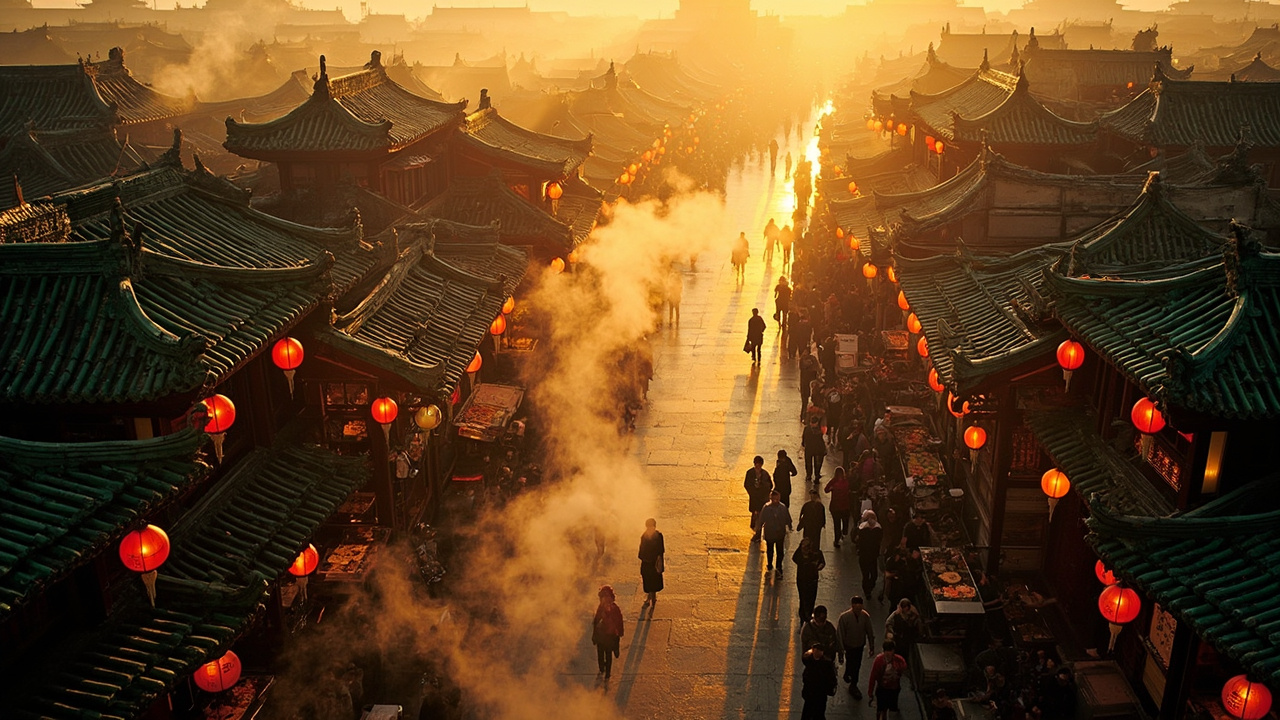
Top 10 Markets and Shopping Streets in China: The Complete 2026 Guide
From Shanghai's Bund to Beijing's Silk Street - 10 markets where foreigners can haggle, explore, and bring home authentic Chinese goods.
9 min read
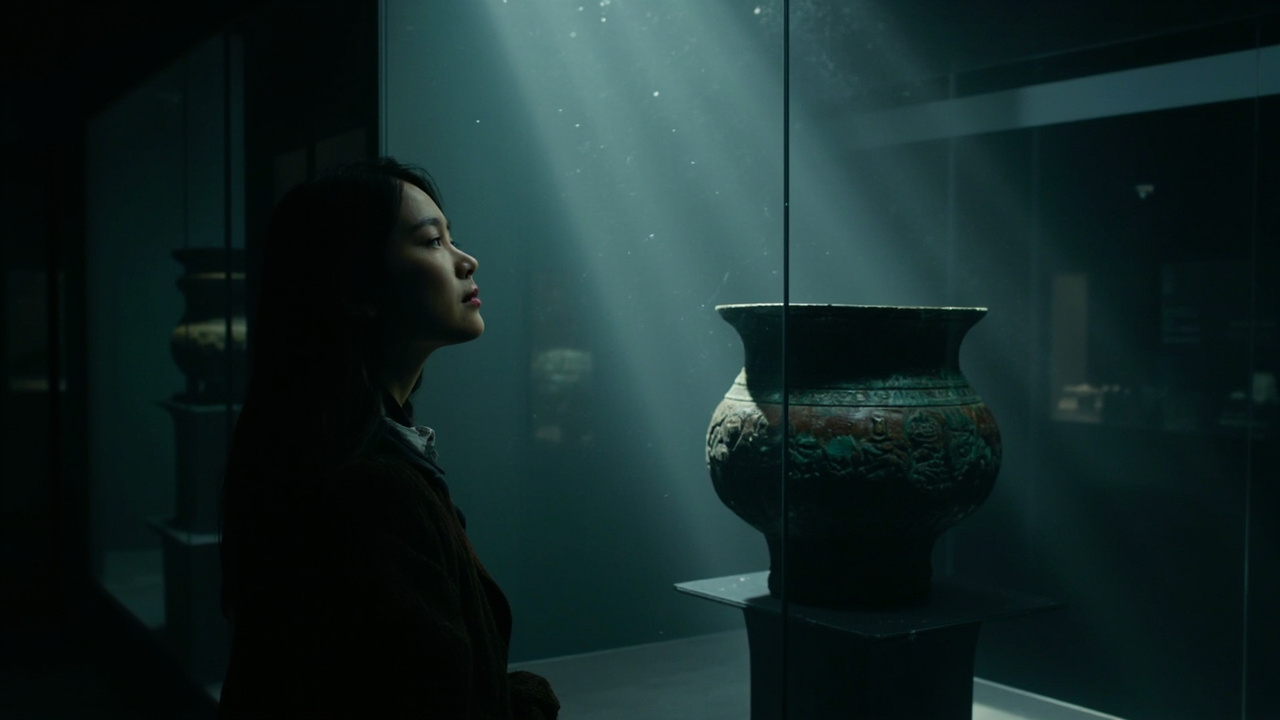
Top 10 Museums in China You Shouldn't Miss: The Complete 2026 Guide
China's museums span 5,000 years of civilization. These 10 - from the Palace Museum to Xi'an's terracotta gallery - are unmissable for culture lovers.
9 min read