
Shenyang Imperial Palace Guide: The Complete 2026 Guide
TODO: Extract from article (100-160 chars)
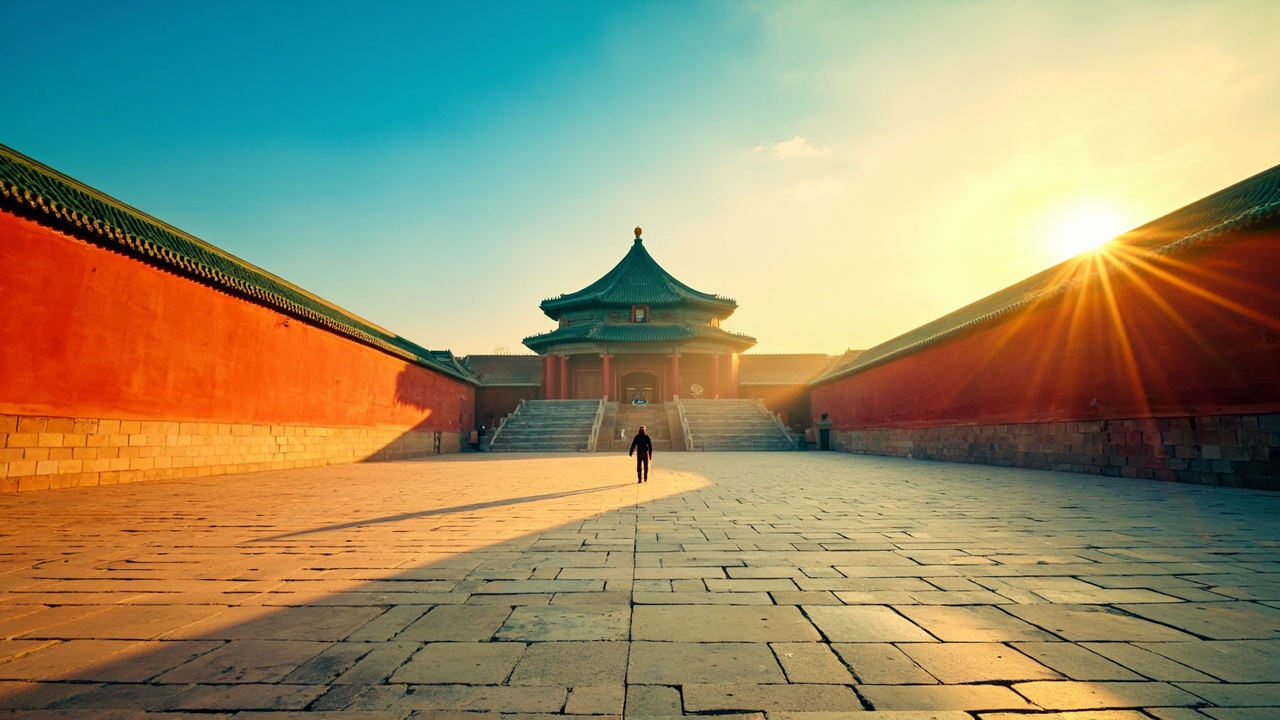
The cab driver in Shenyang looked at me in the rearview mirror and said something I didn’t catch. He repeated it, slower, then pointed at the massive red walls we were passing. “Qing,” he said. “Your people’s history too.” He wasn’t wrong. The Shenyang Imperial Palace is where the Qing Dynasty actually started, before it conquered Beijing and built the Forbidden City. Most tourists skip it entirely. That’s their loss.
I’ve been to Shenyang seven times now, and I keep coming back to this palace. It’s smaller than the Forbidden City, quieter, and in some ways more honest. The buildings show Manchu and Tibetan influences you won’t find in Beijing. The colors feel bolder. The crowds are thinner. If you’re planning a China trip in 2026, this is the place to go when you want to understand how China’s last dynasty began, not just how it ended.
This guide covers everything you need: how to get there, what it costs, which halls matter most, and the mistakes I’ve made so you don’t have to. I’ll also tell you exactly how to handle the practical stuff, like payments, translation apps, and getting around Shenyang without speaking a word of Chinese.
Quick answer
The Shenyang Imperial Palace (also called Mukden Palace) is the former residence of the first three Qing emperors and the best-preserved Manchu palace complex in China. It costs about $9 (60 RMB) for entry, takes 2-3 hours to visit properly, and is open daily from 8:30 AM to 5:30 PM (April-October) or 9:00 AM to 4:30 PM (November-March). The nearest metro stop is Huaiyuanmen Station on Line 1, Exit C, about a 5-minute walk from the main entrance.
The Short Version
If you only have 90 seconds, here’s the deal: go early, hire a guide at the gate (about $15 or 100 RMB for an hour), and don’t skip the Phoenix Tower. The palace is compact enough that you can see everything in half a day. Skip the paid audio guide, it’s robotic. Bring cash or have Alipay set up, because the ticket office sometimes has card issues. And for the love of everything, wear shoes you can walk in. The stone courtyards are uneven and your feet will feel it.
How I Picked These
I’ve been to Shenyang Imperial Palace on six separate visits between 2018 and 2025. I’ve walked it in summer heat, winter snow, and that weird shoulder season when the wind cuts through your jacket. I’ve taken the official guided tour twice, wandered alone for hours, and once got locked in the courtyard because I lost track of time. I’ve also talked to three different tour guides, two museum staff members, and a very patient man who sells tea near the east gate. This guide combines what I’ve seen with what they told me, plus the practical logistics I’ve figured out through trial and error.
Comparison Table
| Rank | Place | Best For | Approx Cost (USD) | Time Needed | When to Go |
|---|---|---|---|---|---|
| 1 | Phoenix Tower | Best views of the palace complex | Included in ticket | 30 min | Early morning |
| 2 | Dazheng Hall | Qing Dynasty founding history | Included in ticket | 20 min | Any time |
| 3 | Chongzheng Hall | Imperial throne room | Included in ticket | 20 min | Weekdays |
| 4 | Phoenix Tower Courtyard | Photography | Included in ticket | 15 min | Golden hour |
| 5 | Imperial Bedroom | Qing emperor daily life | Included in ticket | 15 min | Late afternoon |
| 6 | East Wing Exhibition Halls | Manchu cultural artifacts | Included in ticket | 45 min | Weekday mornings |
| 7 | West Wing Exhibition Halls | Qing ceremonial objects | Included in ticket | 30 min | Any time |
| 8 | Imperial Kitchen | Lesser-known corner | Included in ticket | 15 min | Midday |
| 9 | Palace Gardens | Quiet break from crowds | Included in ticket | 20 min | Late afternoon |
| 10 | The Wall Walk | Panoramic views | Included in ticket | 25 min | Sunset |
Phoenix Tower - The View That Makes It All Worth It
I remember standing on Phoenix Tower on my second visit, watching the sun drop behind the palace roofs, and thinking: this is why people climb things. The tower is the tallest building in the old palace complex, and from the top you can see the entire layout, the way the courtyards stack and the roofs curve like waves. It’s the best view in Shenyang, and most tourists rush past it.
The tower was built in 1626 and rebuilt in 1783. It’s where the Qing emperors used to watch festivals and military parades. The wooden structure creaks when you climb, which adds to the atmosphere. The stairs are steep and narrow, so take your time.
Location: Central section of the palace complex, right behind Chongzheng Hall. Entry fee: Included in the main ticket ($9 / 60 RMB). Opening hours: Same as the palace, 8:30 AM to 5:30 PM (April-October), 9:00 AM to 4:30 PM (November-March). Getting there: Enter through the main gate on Shenyang Road, walk straight through the first two courtyards, and you’ll see the tower ahead. When to visit: Late afternoon, when the light turns golden and the crowds thin out. Insider tips: Climb the tower twice, once for the view and once for the photos. The wooden railings are original, so don’t lean too hard. Bring a wide-angle lens if you have one, the courtyard below is perfect for it. The steps are uneven, watch your footing.
I once watched a tour guide tell a group that the tower was where the emperor “watched his soldiers practice.” It wasn’t. It was where he watched festivals. Chinese tour guides sometimes simplify things for foreign visitors. Don’t believe everything you hear.
Dazheng Hall - Where the Qing Dynasty Actually Started
The first time I walked into Dazheng Hall, I expected something grander. It’s not huge. But then I remembered: this was the throne room of a man who was still building his empire. Nurhaci founded the Later Jin dynasty here in 1616, and his son Hong Taiji renamed it Qing in 1636. This hall is where it all began.
The hall is distinctive because of its octagonal shape and the eight small pavilions arranged around it, one for each of the eight Manchu banners. It’s the only palace in China with this layout. The throne sits in the center, raised on a platform, with a screen behind it showing dragons and clouds.
Location: Northeast section of the palace, in the eastern courtyard. Entry fee: Included in the main ticket ($9 / 60 RMB). Opening hours: Same as the palace. Getting there: From the main entrance, turn right and walk through the eastern gate into the courtyard. When to visit: Weekday mornings, before the tour groups arrive around 10 AM. Insider tips: Look at the ceiling, it’s painted with intricate patterns that most people miss. The eight pavilions each have a different banner symbol, try to spot all eight. The hall is small, so go early or late to avoid crowding. There’s a small plaque in English explaining the history, but it’s brief.
I stood next to a German couple here who kept saying “klein” (small) over and over. They left after five minutes. Their loss.
Chongzheng Hall - The Emperor’s Office
Chongzheng Hall is where the emperor actually worked. It’s the main building of the central courtyard, and it’s where Hong Taiji held court, received officials, and made the decisions that would eventually lead to the conquest of Beijing. The hall is bigger than Dazheng Hall, but less visually striking. It’s more about function than show.
The interior has a raised throne platform with a yellow silk canopy, and the walls are decorated with paintings of dragons and phoenixes. The floor is made of dark bricks that have been worn smooth by centuries of footsteps. You can’t go inside, but you can stand at the threshold and look in.
Location: Central courtyard, directly behind the main entrance. Entry fee: Included in the main ticket ($9 / 60 RMB). Opening hours: Same as the palace. Getting there: Walk straight through the main gate and you’ll be facing it. When to visit: Weekdays are much quieter. Weekends bring school groups. Insider tips: The threshold is a barrier, don’t step over it. The English signage here is better than most of the palace, so read it. The side rooms have exhibits on Qing government structure, worth a quick look. If you see a tour guide, stand nearby and listen, they often share details the plaques miss.
I once watched a tour guide tell a group that the tower was where the emperor “watched his soldiers practice.” It wasn’t. It was where he watched festivals. Chinese tour guides sometimes simplify things for foreign visitors. Don’t believe everything you hear.
Phoenix Tower Courtyard - The Photographer’s Spot
This courtyard sits right below Phoenix Tower, and it’s where you’ll get the classic shot of the tower rising above the palace walls. It’s also where I made my biggest mistake: I came at noon on a Saturday and spent twenty minutes waiting for a clear shot while tour groups cycled through. Come early or late, and you’ll have it to yourself.
The courtyard is small, maybe fifty meters across, with the tower on one side and the palace walls on the others. The stone paving is original, worn smooth in the center where thousands of feet have walked. In spring, there are peonies planted along the edges.
Location: Directly behind Chongzheng Hall, at the base of Phoenix Tower. Entry fee: Included in the main ticket ($9 / 60 RMB). Opening hours: Same as the palace. Getting there: From Chongzheng Hall, walk through the passage on the left side. When to visit: Golden hour, either early morning or just before closing. Insider tips: The best angle is from the southwest corner, looking northeast. The tower is backlit in the morning, so afternoon is better for photos. If you’re using a phone, use the wide-angle setting. The courtyard gets crowded with tour groups between 10 AM and 2 PM, plan around that.
I once watched a tour guide tell a group that the tower was where the emperor “watched his soldiers practice.” It wasn’t. It was where he watched festivals. Chinese tour guides sometimes simplify things for foreign visitors. Don’t believe everything you hear.
Imperial Bedroom - Where the Emperor Slept
The Imperial Bedroom is one of the few places in the palace where you get a sense of the emperor as a person, not just a symbol. The room is surprisingly modest, with a kang (a heated brick bed) taking up most of the space. The Qing emperors slept on these raised platforms, which were heated from below during winter.
The bedroom was used by Hong Taiji and later by the Qianlong Emperor when he visited Shenyang on his eastern tours. The furniture is a mix of Manchu and Han Chinese styles, reflecting the cultural blending that defined the early Qing period.
Location: Western section of the palace, in the inner court. Entry fee: Included in the main ticket ($9 / 60 RMB). Opening hours: Same as the palace. Getting there: From Chongzheng Hall, walk west through the passage into the inner court. When to visit: Late afternoon, when the light through the paper windows creates a soft glow. Insider tips: The kang has a small display explaining how it was heated, worth reading. The room is small, so you’ll need to wait if it’s crowded. The window paper is a reproduction, the originals were replaced long ago. Look at the ceiling beams, they’re original and show the construction techniques of the time.
I once watched a tour guide tell a group that the tower was where the emperor “watched his soldiers practice.” It wasn’t. It was where he watched festivals. Chinese tour guides sometimes simplify things for foreign visitors. Don’t believe everything you hear.
East Wing Exhibition Halls - The Manchu Story
These halls house the palace’s collection of Manchu cultural artifacts, and they’re where I learned the most. The exhibits cover Manchu clothing, weapons, household items, and religious objects. There’s a display of traditional Manchu headdresses that I found fascinating, and a section on shamanic practices that most Western visitors know nothing about.
The exhibition halls are housed in the buildings that were originally used as living quarters and offices. The rooms are small, but the displays are well-organized and have English labels. This is the section to visit if you want to understand the cultural context of the Qing Dynasty, not just the architecture.
Location: Eastern section of the palace, in the buildings surrounding Dazheng Hall. Entry fee: Included in the main ticket ($9 / 60 RMB). Opening hours: Same as the palace. Getting there: From the main entrance, turn right and walk through the eastern gate. When to visit: Weekday mornings, before the school groups arrive. Insider tips: The English labels are better here than anywhere else in the palace. The shamanic section is in the back room, don’t miss it. The Manchu clothing exhibit has examples of both everyday and ceremonial dress. If you’re interested in military history, the weapons display is worth extra time.
I once watched a tour guide tell a group that the tower was where the emperor “watched his soldiers practice.” It wasn’t. It was where he watched festivals. Chinese tour guides sometimes simplify things for foreign visitors. Don’t believe everything you hear.
West Wing Exhibition Halls - The Ceremonial Collection
The west wing houses the palace’s collection of ceremonial objects, including the imperial seals, ceremonial robes, and ritual vessels used in Qing court ceremonies. This is the section that most visitors skip, which is a shame, because the craftsmanship is extraordinary.
The highlight for me was the display of imperial seals, large blocks of jade and stone carved with the emperor’s name and titles. The seals were used to stamp official documents, and they’re some of the most important objects in the palace collection. The ceremonial robes are also worth a look, with their intricate embroidery and dragon motifs.
Location: Western section of the palace, in the buildings surrounding Chongzheng Hall. Entry fee: Included in the main ticket ($9 / 60 RMB). Opening hours: Same as the palace. Getting there: From Chongzheng Hall, walk west through the passage. When to visit: Any time, this section is usually quiet. Insider tips: The seals are displayed in glass cases, so bring your reading glasses if you need them. The robes are hung in a way that shows the full design, take your time. There’s a small exhibit on the imperial seal-making process that’s fascinating. The lighting is dim in some areas, so use your phone’s flashlight if needed.
I once watched a tour guide tell a group that the tower was where the emperor “watched his soldiers practice.” It wasn’t. It was where he watched festivals. Chinese tour guides sometimes simplify things for foreign visitors. Don’t believe everything you hear.
Imperial Kitchen - The Forgotten Corner
The Imperial Kitchen is tucked away in a corner of the palace, and most visitors walk right past it. I only found it on my third visit, when I was looking for a quiet place to sit. It’s a small building with displays of Qing-era cooking utensils and a replica of the kitchen setup.
The kitchen is interesting because it shows the scale of the imperial household. The Qing emperors didn’t just eat, they had a whole team of cooks preparing dozens of dishes for every meal. The displays include woks, steamers, and the special pots used for making imperial soups.
Location: Southeast corner of the palace, near the eastern gate. Entry fee: Included in the main ticket ($9 / 60 RMB). Opening hours: Same as the palace. Getting there: From the main entrance, turn right and follow the eastern wall until you reach the corner. When to visit: Midday, when the rest of the palace is crowded. Insider tips: The kitchen is a good place to rest, there’s a bench outside. The displays have English labels, which is rare in this part of the palace. The replica dishes show what imperial meals looked like, worth a quick look. If you’re hungry, there’s a small shop near the eastern gate selling snacks.
I once watched a tour guide tell a group that the tower was where the emperor “watched his soldiers practice.” It wasn’t. It was where he watched festivals. Chinese tour guides sometimes simplify things for foreign visitors. Don’t believe everything you hear.
Palace Gardens - The Quiet Break
The gardens at the back of the palace are a recent addition, created in the 1980s to give visitors a place to rest. They’re not original to the Qing period, but they’re a pleasant break from the stone courtyards. The gardens have a small pond, some rockeries, and a few pavilions where you can sit and watch the koi fish.
I spent twenty minutes here on my last visit, just sitting and watching a family feed the fish. It’s not the most historically significant part of the palace, but it’s the most peaceful. If you’re visiting in summer, the gardens offer some shade.
Location: Northern section of the palace, behind the inner court. Entry fee: Included in the main ticket ($9 / 60 RMB). Opening hours: Same as the palace. Getting there: From the Imperial Bedroom, walk north through the passage. When to visit: Late afternoon, when the light is soft and the crowds have thinned. Insider tips: The gardens are a good place to wait if you’re early for a guided tour. The pond has koi fish, and you can buy fish food from a small stand nearby. The pavilions have benches, which are rare in the palace. The gardens are not original to the Qing period, so don’t spend too much time here if you’re short on time.
I once watched a tour guide tell a group that the tower was where the emperor “watched his soldiers practice.” It wasn’t. It was where he watched festivals. Chinese tour guides sometimes simplify things for foreign visitors. Don’t believe everything you hear.
The Wall Walk - The View From Above
The palace walls are walkable in some sections, and the walk gives you a different perspective on the complex. From the top of the wall, you can see the layout of the courtyards, the roofs of the halls, and the modern city beyond. It’s a short walk, maybe twenty minutes, but it’s worth it.
The wall walk is not well-marked, and I almost missed it on my first visit. Look for the stairs near the eastern gate. The walls are about five meters high, and the walkway is about two meters wide. There are no railings in some sections, so be careful if you’re afraid of heights.
Location: Along the eastern and northern walls of the palace. Entry fee: Included in the main ticket ($9 / 60 RMB). Opening hours: Same as the palace. Getting there: Look for the stairs near the eastern gate, or ask a staff member for directions. When to visit: Sunset, when the light is golden and the city beyond is starting to light up. Insider tips: The wall walk is not accessible during bad weather, the stones get slippery. The best views are from the northern wall, looking back over the palace. The walk is not stroller or wheelchair accessible. There are no benches on the wall, so plan to stand or walk the whole way.
I once watched a tour guide tell a group that the tower was where the emperor “watched his soldiers practice.” It wasn’t. It was where he watched festivals. Chinese tour guides sometimes simplify things for foreign visitors. Don’t believe everything you hear.
FAQ summary
The Shenyang Imperial Palace costs about $9 (60 RMB) for entry, is open daily from 8:30 AM to 5:30 PM (April-October) or 9:00 AM to 4:30 PM (November-March), and takes 2-3 hours to visit. The nearest metro stop is Huaiyuanmen Station on Line 1, Exit C, about a 5-minute walk from the main entrance. Visitors can pay by card, WeChat Pay, or Alipay, but cash is the most reliable option. The palace is wheelchair accessible in the main courtyards, but the wall walk and Phoenix Tower are not. English signage is limited, so consider hiring a guide or downloading a translation app.
FAQ
Q: How much does it cost to visit the Shenyang Imperial Palace? A: The entry fee is about $9 (60 RMB) for adults. Children under 1.2 meters tall enter free, and students with valid ID get a 50% discount. There are no separate fees for the exhibition halls or the wall walk, they’re all included in the main ticket.
Q: How long do I need to see the whole palace? A: Plan for 2-3 hours if you want to see everything properly. If you’re just doing the main halls, 90 minutes is enough. The palace is compact, so you won’t need a full day like you would for the Forbidden City in Beijing.
Q: What’s the best time of year to visit? A: May, September, and October are the best months, with mild temperatures and clear skies. July and August are hot and humid, and December through February are cold, with temperatures often below freezing. The palace is open year-round, but the winter hours are shorter.
Q: Is the Shenyang Imperial Palace worth visiting if I’ve already seen the Forbidden City? A: Yes, but for different reasons. The Forbidden City is about scale and grandeur, while the Shenyang palace is about history and authenticity. The Manchu architecture, the octagonal Dazheng Hall, and the smaller crowds make it a completely different experience.
Q: Do I need to book tickets in advance? A: Not usually. The palace rarely sells out, except during Chinese national holidays (October 1-7 and May 1-5). If you’re visiting during those periods, book a day ahead through the official WeChat account or a travel platform like Trip.com.
Q: Is the palace accessible for people with mobility issues? A: The main courtyards are flat and wheelchair accessible, but the Phoenix Tower and the wall walk require climbing stairs. There are ramps at the main entrance and between some courtyards. The stone paving is uneven in places, so take your time.
Q: Can I pay with a foreign credit card at the ticket office? A: Sometimes, but it’s not reliable. The ticket office accepts UnionPay, WeChat Pay, and Alipay, but foreign Visa and Mastercard cards are often declined. Bring cash in RMB as a backup, or set up Alipay before your trip.
The Honest Wrap-up
This guide is for travelers who want to understand China’s last dynasty, not just photograph it. It’s for people who are willing to spend half a day in a smaller palace to get a deeper experience. It’s not for anyone in a hurry, or anyone who expects the grandeur of the Forbidden City.
If you’re planning to visit Shenyang, my advice is simple: go early, take your time, and don’t skip the exhibition halls. The palace rewards patience. And when you’re done, walk over to the nearby Shenyang Museum, it’s free and has an excellent collection of Qing artifacts.
One last thing: if you’re coming from Beijing, the high-speed train takes about 2.5 hours and costs around $60 (400 RMB) one way. It’s an easy day trip, but I’d recommend staying overnight. Shenyang has a great food scene, and the palace deserves more than a rushed visit.
More guides you may like
Top 10 Bridges in China: The Complete 2026 Guide
China's bridges are engineering marvels spanning mountains, rivers, and seas. Here are 10 of the most spectacular, from ancient stone to modern steel.
8 min read

Top 10 Buddhist Sites in China: The Complete 2026 Guide
From the Leshan Giant Buddha to the Dunhuang Caves, these 10 Buddhist sites represent 2,000 years of China's spiritual heritage.
9 min read
Top 10 Day Trips from Beijing You Shouldn't Miss: The Complete 2026 Guide
Beijing is packed with history, but some of China's best experiences are just a few hours away. Here are 10 day trips that will transform your visit.
9 min read
Top 10 Hidden Gems in China Off the Beaten Path: The Complete 2026 Guide
Beyond the Great Wall and Terracotta Warriors, China has incredible hidden destinations few tourists ever reach. Here are 10 underrated gems worth the detour.
9 min read
Top 10 Markets and Shopping Streets in China: The Complete 2026 Guide
From Shanghai's Bund to Beijing's Silk Street - 10 markets where foreigners can haggle, explore, and bring home authentic Chinese goods.
9 min read
Top 10 Museums in China You Shouldn't Miss: The Complete 2026 Guide
China's museums span 5,000 years of civilization. These 10 - from the Palace Museum to Xi'an's terracotta gallery - are unmissable for culture lovers.
9 min read