
Xitang Water Town Zhejiang: The Complete 2026 Guide
TODO: Extract from article (100-160 chars)
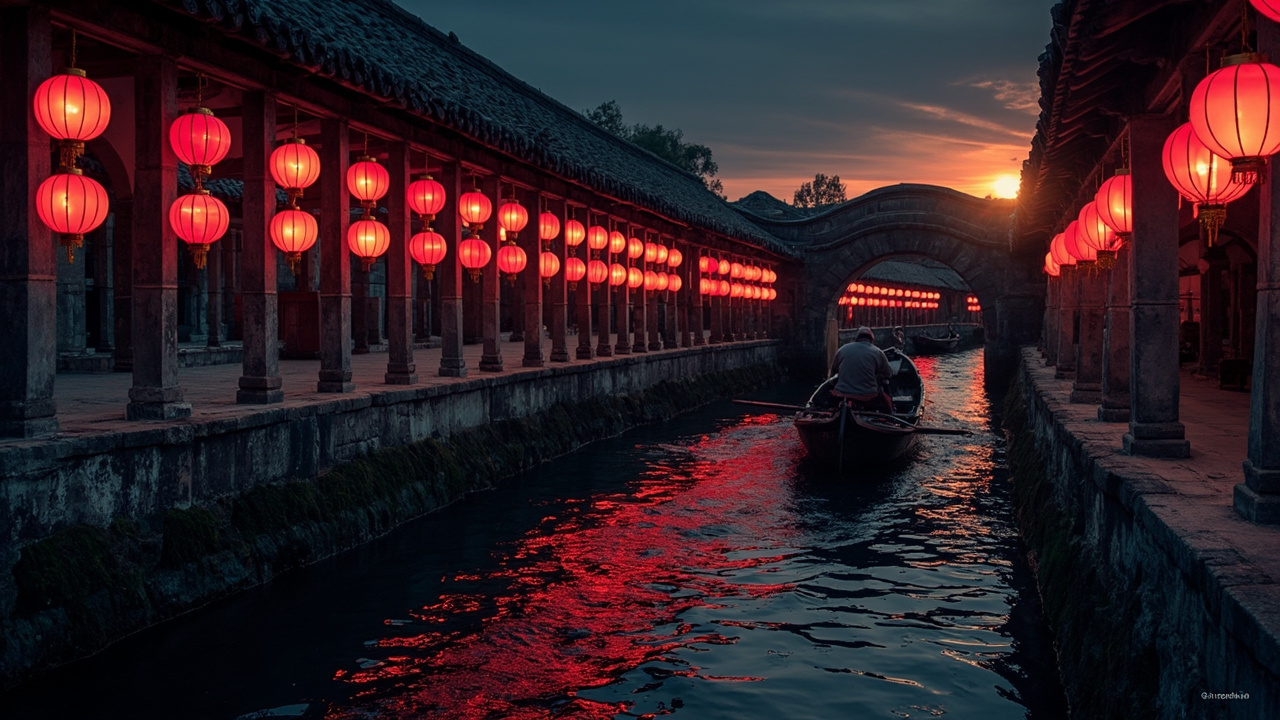
The rain came down in thin, silver threads the afternoon I first wandered into Xitang. I’d been in China for three years by then, and I thought I’d seen enough old towns to last a lifetime. But I hadn’t seen this. The covered corridors stretched on for kilometers, so the rain never actually touched me. Old men played chess under the eaves. A woman in a blue apron was folding wontons in a doorway, steam curling past her face. A dog slept in the middle of the stone path, and everyone just walked around him.
Xitang is one of the famous water towns near Shanghai, and it’s the one most Chinese tourists will tell you to skip because it’s “too commercial.” They’re wrong. It’s commercial in the way Venice is commercial, which is to say it’s still Venice. The difference is that Xitang is also the only water town in the region that actually comes alive after dark, when the red lanterns come on and the night boats start moving.
This guide covers everything you need to know before you go: how to get there, what it costs in 2026, which corners are worth your time, and which parts you can skip without guilt. I’ve been back five times since that first rainy afternoon, and I’ve made every mistake a traveler can make here so you don’t have to.
Quick answer
Xitang Water Town is a 1,000-year-old canal town in Zhejiang Province, about 90 minutes from Shanghai, with free entry to the town itself but a paid ticket (about $14 USD / 100 CNY) for the museums and gardens inside. It’s eligible under China’s 240-hour visa-free transit policy for many nationalities, so you can visit without a full tourist visa if you’re transiting through Shanghai. The town is at its best on a weekday evening, when the day-trip crowds thin out and the lanterns come on over the water.
The Short Version
Go to Xitang for the night views and the covered corridors, not for the museums. Skip the overpriced boat rides during the day and take one after dark instead. Eat the local wontons and the eight-treasure rice, skip the “traditional” restaurants with English menus near the main entrance, and walk past the first three bridges you see - the good stuff is deeper in. You need one night here, not two. If you only have time for one water town near Shanghai, make it this one over Zhujiajiao.
How I Picked These
I’ve visited Xitang five times between 2019 and 2025, in spring, summer, and winter. I’ve stayed in the guesthouses inside the old town and in the hotels outside the walls. I’ve arrived by high-speed rail, by bus, and by private car. I’ve talked to the boatmen, the shop owners, and the old women who sell preserved plums from baskets on the street. The recommendations below come from those conversations and from the mistakes I made along the way, like paying 20 CNY for a “traditional” snack that was just a microwaved frozen dumpling. I’ve also compared Xitang to the other major water towns in the region - Zhujiajiao, Wuzhen, Zhouzhuang, Nanxun - so you know what you’re choosing between.
Comparison Table
| Rank | Place | Best For | Approx Cost (USD) | Time Needed | When to Go |
|---|---|---|---|---|---|
| 1 | Xitang Water Town | Night views, covered corridors, authentic feel | $14 entry + $15 boat | 1 night | Weekday evenings, spring/autumn |
| 2 | Wuzhen | Best-preserved architecture, museums | $30 entry | Full day | Any season, avoid weekends |
| 3 | Zhujiajiao | Easiest from Shanghai, quick visit | Free entry, $10 boat | Half day | Morning, before crowds |
| 4 | Zhouzhuang | Classic postcard views, bridges | $25 entry | Half day | Weekday mornings |
| 5 | Nanxun | Least touristy, real local life | $15 entry | Half day | Any time |
Xitang Water Town Zhejiang: The Complete 2026 Guide
The Covered Corridors - Why Xitang Is Different From Every Other Water Town
The first thing you’ll notice about Xitang is the roofs. Every other water town in the region has open stone paths along the canals, so you get wet when it rains and you bake when it’s hot. Xitang has these long covered corridors called langpeng that run along both sides of the main canals, and they connect to form a continuous shaded walkway that stretches for nearly a kilometer. I walked the entire length of it during a summer thunderstorm and barely got my shoes damp.
These corridors were built in the Ming and Qing dynasties for practical reasons - merchants needed to move goods between the boats and their shops without getting everything soaked. Today they’re what makes Xitang walkable in any weather and why it feels more like a living town than a museum set. Locals still use them to get to work, to play mahjong, to gossip with neighbors. You’ll see laundry hanging from second-floor windows above the walkway, which sounds like chaos but is actually the most charming thing about the place.
The best stretch is on the north side of the main canal, between the Anjing Bridge and the Yongning Bridge. That’s where the corridor is widest and where the benches are placed so you can sit and watch the boats go by. In the evening, the lanterns along this stretch turn everything a warm orange color, and the reflections in the water double the light.
Xitang at Night - Why You Should Stay Overnight
Here’s the thing nobody tells you about the water towns near Shanghai: they empty out at 6 PM. The day-trippers catch the last bus back to the city, and the streets go quiet. Xitang is the exception. The town stays open late, the bars along the west canal turn on their lights, and the night boats run until nearly midnight. I’ve sat on a stone bridge at 10 PM watching the lantern-lit boats drift past, and I’ve had the place almost to myself.
The night boats are the one tourist activity actually worth the money. They cost about $15 (100 CNY) for a private boat that holds up to six people, and the ride lasts about 25 minutes. Go at dusk, when the sky is still a deep blue but the lanterns are already on. The boatman will steer you through the main canal and into the narrower side channels, where you’ll pass under low stone bridges and past the back doors of old houses. Bring a jacket even in summer - it gets cool over the water.
If you stay overnight, book a guesthouse inside the old town walls. They’re not fancy, and the walls are thin, but waking up to the sound of water and the vendors setting up their stalls is worth the mediocre breakfast. Expect to pay $40-80 (300-600 CNY) for a decent room. The guesthouses outside the walls are cheaper and quieter, but you’ll lose the experience of being there when the town wakes up.
Getting to Xitang - The Transport Details You Actually Need
Getting to Xitang is easier than most guidebooks suggest, but you need to know the right station. The town has its own high-speed rail station, Jiashan South, which is about 20 minutes from the old town by taxi. Trains from Shanghai Hongqiao run roughly every hour and take about 30 minutes, costing around $10 (70 CNY) one way. From Hangzhou East, it’s about 40 minutes. The station is small and modern, with English signage, and the taxi queue outside is usually short.
From Jiashan South station, you have two options. The taxi ride costs about $6 (40 CNY) and takes 15-20 minutes. Or you can take the K222 bus, which costs about $1.50 (10 CNY) and takes 30 minutes, dropping you at the north entrance of the old town. The bus runs every 20-30 minutes. If you’re coming from Shanghai by bus directly, there are direct coaches from Shanghai South Bus Station that take about 90 minutes and cost $12 (85 CNY), but the train is faster and more comfortable.
One warning: the last train back to Shanghai from Jiashan South is around 9:30 PM, so if you want to see the night views, you need to either stay overnight or accept that you’ll be taking a late taxi back. A taxi from Xitang to Shanghai Hongqiao will cost you about $60 (400 CNY) and take over an hour. The math usually works out cheaper to just book the guesthouse.
The Museums - Which Ones Are Worth Your Time and Which Aren’t
Your entry ticket to Xitang covers about 11 small museums and historic houses scattered around the old town. Most of them are not worth your time. They’re small, dusty, and the English translations are often nonsensical. But three of them are genuinely interesting, and they’re the reason the ticket exists at all.
The Wood Carving Museum is the best of the lot. It’s in a restored Qing dynasty house, and the collection includes hundreds of carved panels, bed frames, and architectural details from the region. The craftsmanship is extraordinary, and the building itself is worth seeing. Give it 30-40 minutes. The Root Carving Museum next door is similar but less impressive, so skip it unless you have time to kill.
The Wine Culture Museum is worth a quick visit because it’s in an actual former distillery, and you can see the old fermentation vats and smell the rice wine being made. The tasting at the end is free, and the local jiuniang (fermented rice wine) is sweet and mild, nothing like the harsh baijiu you might have tried elsewhere. The third one worth seeing is the Niu’s Residence, a large merchant’s house from the late Qing period that shows you how the wealthy lived. The rest - the button museum, the brick carving museum, the folk customs museum - you can skip without guilt.
The Food - What to Actually Eat in Xitang
Xitang has a few local specialties that are genuinely worth seeking out, and a lot of tourist-trap food that isn’t. The local wontons, called chaoshou, are small and delicate, served in a clear broth with dried shrimp and seaweed. The best ones I found were from a tiny shop on the north side of the main canal, near the Yongning Bridge, where an old woman makes them fresh all day. They cost about $2 (15 CNY) for a bowl, and they’re the best thing I’ve eaten in any water town.
The other local specialty is babao fan, eight-treasure rice, a sweet sticky rice dish steamed with red dates, lotus seeds, and dried fruits. It’s served in a small bowl, often with a bit of lard melted into it, and it’s the kind of thing that sounds odd but tastes like a warm hug. You’ll see it everywhere, but the version at the small restaurants on the side streets, away from the main canal, is better than the ones on the main tourist drag.
The one thing to skip is the “traditional” snack stalls near the main entrance, which sell the same frozen dumplings and grilled sausages you’ll find at any tourist site in China. Also skip the restaurants with English menus and staff standing outside trying to wave you in. Walk past them. The good places are the ones with no menu at all, just a chalkboard or a list of dishes handwritten on a piece of paper taped to the wall.
The Bridges - Where to Stand for the Best Photos
Xitang has nine old bridges crossing its canals, and they’re not all equal. The most famous is the Anjing Bridge, which is the one you’ll see in all the postcards, with its high stone arch and the willow trees framing it. It’s also where everyone stands at sunset, so you’ll be sharing the view with a hundred other people. Go there at 6 AM instead, when the light is soft and the only other people are locals carrying vegetables to their shops.
The better bridge for photos is the Wan’an Bridge, further east, which is lower and wider and gives you a view down the canal with the covered corridors on both sides. That’s the shot that actually captures what makes Xitang different. The Laifeng Bridge, at the west end of the old town, is where the locals gather in the evenings to chat, and if you sit on the steps there for a while, you’ll see more real life than anywhere else in town.
For the classic “lanterns at night” shot, stand on the Songzi Bridge and look west. The red lanterns line both sides of the canal, and the reflections stretch out toward the darkness. It’s the image you’ve seen on every travel blog about Xitang, and yes, it looks exactly like that in person. Go on a weekday night if you can, because on weekends the bridge gets crowded with tripod-wielding photographers.
The Side Streets - Where the Real Town Lives
The main canal is where the crowds are, but the real Xitang is in the side streets that branch off from it. Walk down any alley that looks too narrow to be a street, and you’ll find yourself in a different world. These lanes are where the locals actually live - old women sitting on stools shelling beans, men playing cards at low tables, laundry hanging overhead on bamboo poles.
My favorite is the lane that runs behind the Wood Carving Museum, which leads to a small square where a man sells handmade bamboo baskets and another sells fresh tofu pudding from a metal cart. The tofu pudding, called doufunao, is served with a sweet syrup or a savory sauce, and it costs about $1 (7 CNY). I had the sweet version, and the vendor laughed at my attempt to say the name correctly, then gave me an extra scoop.
These side streets are also where you’ll find the cheaper guesthouses and the small family-run restaurants that serve actual home cooking. If you see a place where the only customers are Chinese tourists, that’s a good sign. If you see a place where the only customers are foreigners, walk away. The food will be blander, and you’ll pay twice as much.
The Nightlife - Bars, Tea Houses, and the Lantern Festival
Xitang’s nightlife is not what you’d call wild, but it’s more than most water towns offer. The west end of the old town has a strip of bars along the canal, with names like “Old Friends” and “Sunshine Bar,” where you can get a beer for about $4 (30 CNY) and sit on a balcony watching the boats go by. The music is mostly acoustic covers of Western songs, and the crowd is mostly Chinese tourists in their twenties. It’s not cool, but it’s pleasant, and the setting is genuinely lovely.
If bars aren’t your thing, there are tea houses along the main canal where you can sit for an hour with a pot of jasmine tea for about $5 (35 CNY). The best one I found is on the second floor of a building near the Anjing Bridge, with windows that open directly onto the water. The owner, a woman in her sixties who speaks a little English, will refill your pot without being asked and tell you stories about the town if you make the effort to communicate.
The one event worth planning around is the Lantern Festival, which falls on the 15th day of the first lunar month, usually in February. On that night, the town releases hundreds of floating lanterns onto the canals, and the whole place glows. It’s crowded, and you’ll need to book your guesthouse months in advance, but it’s one of the most beautiful things I’ve seen in China. If you can’t make it for the festival, any clear night with a full moon is a good second choice.
Where to Stay - Inside the Walls or Outside
The decision of where to stay in Xitang comes down to one question: do you want atmosphere or comfort? The guesthouses inside the old town walls are atmospheric in the way that only old buildings with thin walls and creaky floors can be. You’ll hear the boats in the morning and the vendors setting up their stalls. You’ll step out your door and be in the middle of everything. But the rooms are small, the plumbing can be temperamental, and in summer, the air conditioning is often inadequate.
The hotels outside the walls are more comfortable, with proper soundproofing and reliable hot water, but you’ll have to walk 10-15 minutes to get into the old town, and you’ll miss the experience of being there when the crowds leave. My advice: if you’re only staying one night, pay the premium for an inside room. It’s the difference between visiting Xitang and experiencing it.
For inside rooms, expect to pay $50-80 (350-600 CNY) for a decent place. The most expensive rooms, with canal views and balconies, run $100-150 (700-1000 CNY) on weekends. Book at least a week in advance for weekends, and a month in advance if you’re coming during a Chinese holiday. The guesthouses don’t have websites in English, so use a booking platform like Trip.com or ask your hotel in Shanghai to book for you.
The Practical Stuff - Money, Phones, and What to Bring
Xitang is a cashless society, just like the rest of China. You’ll need WeChat Pay or Alipay set up on your phone, and you’ll need to link it to a foreign credit card. This is easier than it used to be - both apps now accept Visa and Mastercard directly, and you can set them up before you arrive in China. If you can’t get them working, bring cash as a backup, but know that many small vendors won’t have change for large bills.
Your foreign SIM card will work in China, but Google services are blocked, so you’ll need a VPN before you arrive. If you’re using a Chinese SIM card, the major Chinese apps - WeChat, Alipay, Baidu Maps, DiDi - will all work without a VPN. Download Baidu Maps or Amap before you go, because Google Maps is unreliable in China. English is not widely spoken in Xitang, so download a translation app like Pleco or Google Translate (with the Chinese language pack downloaded offline) before you arrive.
Bring comfortable shoes - the stone paths are uneven and slippery when wet. Bring a light jacket even in summer, because the evenings over the water get cool. And bring a power bank, because you’ll be taking a lot of photos and the guesthouse outlets are often in inconvenient places.
FAQ summary
Xitang Water Town in Zhejiang Province is a 1,000-year-old canal town about 90 minutes from Shanghai, accessible by high-speed rail to Jiashan South station followed by a short taxi or bus ride. Entry costs about $14 (100 CNY) and covers the town’s museums, while night boat rides cost about $15 (100 CNY) per boat. The town is eligible under China’s 240-hour visa-free transit policy for many nationalities, and it’s best visited on a weekday evening when day-trip crowds have left. WeChat Pay or Alipay are required for most transactions, a VPN is needed for Google services, and English is limited, so a translation app is recommended.
FAQ
Q: Do I need a visa to visit Xitang from Shanghai? A: If you’re transiting through Shanghai under China’s 240-hour visa-free transit policy, Xitang is within the allowed travel zone. Many nationalities, including US, UK, and EU passport holders, qualify. If you’re entering China on a standard tourist visa, you’re fine. Check the latest policy with the Chinese embassy before you travel.
Q: How much time do I need in Xitang? A: One night is ideal. Arrive in the afternoon, see the town in daylight, stay for the lantern-lit evening, and leave the next morning. If you’re short on time, a full day from morning to evening is possible, but you’ll miss the best part - the night views.
Q: Is Xitang better than Zhujiajiao or Wuzhen? A: For the night experience, yes. Xitang is the only water town near Shanghai that truly comes alive after dark. Wuzhen is more polished and better for daytime sightseeing, while Zhujiajiao is more convenient but less atmospheric. If you only have time for one, make it Xitang.
Q: Can I pay with a credit card in Xitang? A: Most places won’t accept foreign credit cards directly. You’ll need WeChat Pay or Alipay linked to your card, which is now possible for foreign visitors. Bring some cash as a backup for small vendors, but expect most transactions to be cashless.
Q: Is English spoken in Xitang? A: Very little. The guesthouse staff will know basic phrases, and some restaurants have English menus, but you’ll need a translation app for most interactions. Download one before you arrive and learn how to use it offline.
Q: What’s the best time of year to visit Xitang? A: April-May and September-October have the best weather - mild temperatures and clear skies. Summer is hot and humid, and winter is cold but dramatically beautiful, especially if it snows. Avoid Chinese national holidays like May Day and National Day, when the town is packed.
Q: Is Xitang worth staying overnight? A: Yes, absolutely. The town transforms after the day-trippers leave, and the evening lanterns over the canals are the single best thing about Xitang. Book a guesthouse inside the old town walls and you’ll have the place almost to yourself after 9 PM.
The Honest Wrap-up
Xitang is not a hidden gem. It’s one of the most visited water towns in China, and on weekends it can feel like a theme park. But if you go on a weekday, stay overnight, and walk past the first three bridges to find the quieter corners, you’ll see why it’s been drawing visitors for a thousand years. This guide is for the traveler who wants the real thing without the hassle of figuring it out alone. It’s not for the person who wants a polished, curated experience with English-speaking guides and air-conditioned museums. Xitang is messy, uneven, and gloriously alive. If you go with an open mind and a translation app, you’ll leave with the kind of memories that don’t fit in a photo album. My final advice: go on a Tuesday, stay in a guesthouse with thin walls, and sit on a bridge at 10 PM with a bottle of local beer. That’s the Xitang worth crossing an ocean for.
More guides you may like
Top 10 Bridges in China: The Complete 2026 Guide
China's bridges are engineering marvels spanning mountains, rivers, and seas. Here are 10 of the most spectacular, from ancient stone to modern steel.
8 min read

Top 10 Buddhist Sites in China: The Complete 2026 Guide
From the Leshan Giant Buddha to the Dunhuang Caves, these 10 Buddhist sites represent 2,000 years of China's spiritual heritage.
9 min read

Top 10 Day Trips from Beijing You Shouldn't Miss: The Complete 2026 Guide
Beijing is packed with history, but some of China's best experiences are just a few hours away. Here are 10 day trips that will transform your visit.
9 min read
Top 10 Hidden Gems in China Off the Beaten Path: The Complete 2026 Guide
Beyond the Great Wall and Terracotta Warriors, China has incredible hidden destinations few tourists ever reach. Here are 10 underrated gems worth the detour.
9 min read
Top 10 Markets and Shopping Streets in China: The Complete 2026 Guide
From Shanghai's Bund to Beijing's Silk Street - 10 markets where foreigners can haggle, explore, and bring home authentic Chinese goods.
9 min read
Top 10 Museums in China You Shouldn't Miss: The Complete 2026 Guide
China's museums span 5,000 years of civilization. These 10 - from the Palace Museum to Xi'an's terracotta gallery - are unmissable for culture lovers.
9 min read