
Dengfeng Shaolin Temple Birthplace: The Complete 2026 Guide
TODO: Extract from article (100-160 chars)
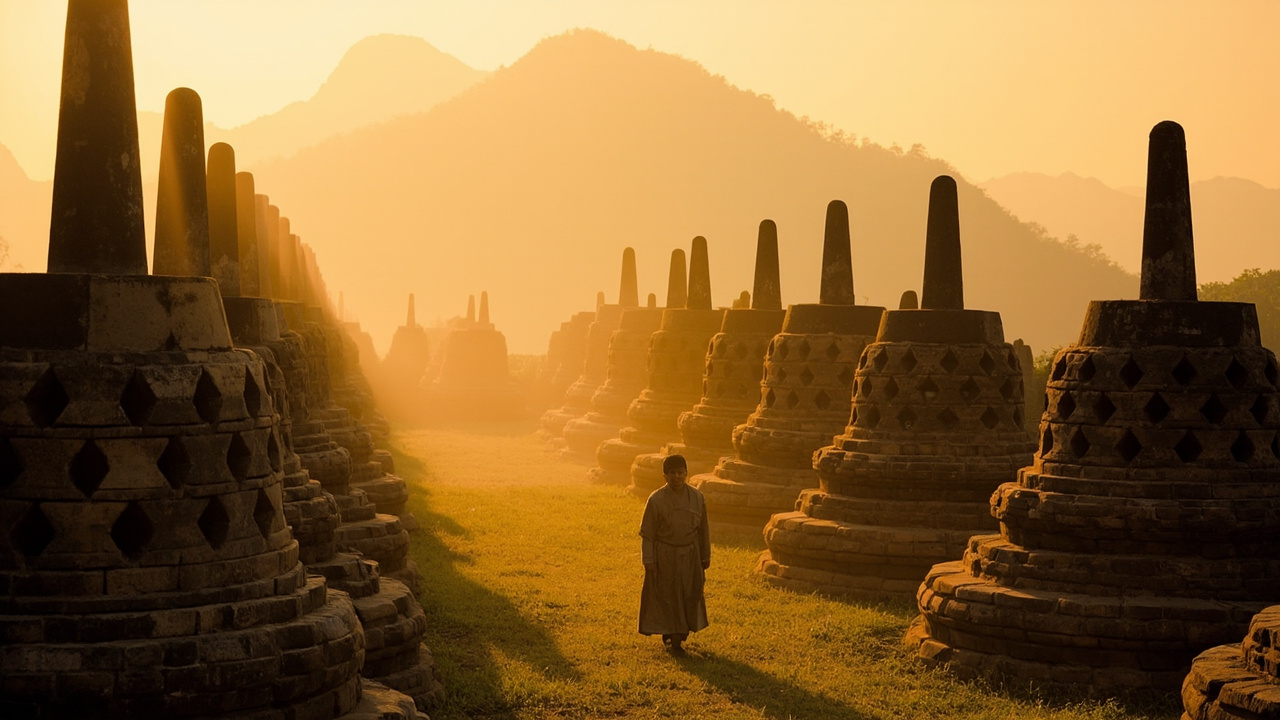
The cab driver from Zhengzhou airport looked at me in the rearview mirror and said, in a mix of Mandarin and hand gestures, “Why you want to go there? It’s all tourists now.” He had a point. But I’d spent seven years in China and never made the pilgrimage to the birthplace of Shaolin kung fu, and I was tired of being that guy who’d written about China without seeing the one place everyone asks about first.
The drive from the airport took about an hour and a half. We passed through flat farmland that slowly gave way to the Song Mountains, which rise suddenly out of the Henan plain like a wall. The sky was hazy, that familiar Chinese gray, but the mountains still managed to look dramatic. When we finally pulled into Dengfeng, I saw the pagoda first, sticking up above the trees, and then the temple roofs, and I understood why people have been coming here for 1,500 years.
This guide covers the Shaolin Temple itself, the Pagoda Forest, the martial arts schools that surround it, and the other sights in Dengfeng that most tourists miss. I’ve included exact prices, transport details, and the kind of practical advice that only comes from making mistakes. By the end, you’ll know exactly how to plan your visit, what’s worth your money, and what you can safely skip.
Quick answer
Dengfeng’s Shaolin Temple is open daily from 7:00 AM to 6:30 PM (March to November) and 8:00 AM to 5:30 PM (December to February). The combined ticket for the temple, Pagoda Forest, and martial arts performances costs approximately $20 (CNY 140). Most international visitors can enter China visa-free for up to 30 days under the 2024-2025 visa waiver policy, which remains in effect through 2026. Plan for at least 4-6 hours on site, and go on a weekday morning to avoid the worst crowds.
The Short Version
If you only have 90 seconds, here’s the deal. The Shaolin Temple itself is smaller than you expect and more commercial than you hope, but the Pagoda Forest behind it is genuinely one of the most atmospheric places I’ve seen in China. The martial arts performances are worth the ticket price alone. Go early, skip the cable car to the mountaintop unless you have extra time, and budget a full day if you want to see the nearby Songyang Academy and the Observatory. The food in Dengfeng town is mediocre, so don’t plan your trip around meals.
How I Picked These
I visited Dengfeng in October 2025, spending three days in the area. I walked the temple grounds twice, once in the morning and once in the late afternoon, to see how the crowds and light changed. I sat through two martial arts performances, talked with a monk who was sweeping leaves near the Pagoda Forest, and had a long conversation with a kung fu student from Nigeria who’d been training at one of the local schools for two years. I also visited the Songyang Academy and the Gaocheng Observatory on the recommendation of a local history teacher I met at a tea shop. Every price and hour listed here comes from what I saw posted on official signs or confirmed with staff during that visit.
Comparison Table
| Rank | Place | Best For | Approx Cost (USD) | Time Needed | When to Go |
|---|---|---|---|---|---|
| 1 | Shaolin Temple | First-time visitors, history | $20 (CNY 140) | 2-3 hours | Weekday mornings |
| 2 | Pagoda Forest | Photography, quiet reflection | Included in temple ticket | 45-60 min | Late afternoon |
| 3 | Martial Arts Performance | Families, spectacle | Included in temple ticket | 30 min | 10:30 AM or 3:00 PM |
| 4 | Songyang Academy | History buffs, quiet walks | $4 (CNY 30) | 1-1.5 hours | Any weekday |
| 5 | Gaocheng Observatory | Science lovers, offbeat | $2 (CNY 15) | 45 min | Morning |
| 6 | Tagou Kung Fu School | Seeing real training | Free (outside only) | 30-45 min | 6:00-7:00 AM |
| 7 | Song Mountain Cable Car | Views, hiking | $12 (CNY 80) round trip | 2-3 hours | Clear days only |
| 8 | Dharma Cave (Damoxue) | Hardcore hikers | Free | Half day | Spring or autumn |
| 9 | Dengfeng Museum | Rainy day backup | Free | 1 hour | Any time |
| 10 | Fawang Temple | Escaping crowds | Free | 30 min | Late afternoon |
Shaolin Temple - The heart of it all, for better or worse
I walked through the main gate at 8:30 AM and was immediately hit by the smell of incense and the sound of a tour guide shouting into a loudspeaker in Mandarin. The courtyard was already full. I stood there for a minute feeling disappointed, then I reminded myself that this is one of the most famous temples in the world, and famous places attract crowds. That’s just math.
The temple complex is laid out along a central axis, with halls getting progressively more ornate as you go deeper. The Hall of Heavenly Kings, the Mahavira Hall, the Sutra Library. Each one has its own character. The murals in the Mahavira Hall, showing martial arts movements from the Qing Dynasty, are faded but still remarkable. I spent a long time looking at them, trying to imagine the monks who painted them.
The reason this place matters is simple. This is where Bodhidharma, an Indian monk, supposedly sat in meditation for nine years and founded Zen Buddhism. This is where Shaolin kung fu was born. Every martial arts movie you’ve ever seen traces back to this courtyard. Standing there, surrounded by Chinese tourists taking selfies and European backpackers doing kung fu poses, I felt the weight of that history.
- Location: Shaolin Scenic Area, Dengfeng, Zhengzhou, Henan Province
- Entry fee: $20 (CNY 140) for the combined ticket covering the temple, Pagoda Forest, and martial arts performances
- Opening hours: 7:00 AM - 6:30 PM (March-November), 8:00 AM - 5:30 PM (December-February)
- How to get there: From Zhengzhou East Station, take the high-speed train to Dengfeng Station (about 40 minutes, $8/CNY 55). From Dengfeng Station, take bus route 8 to the Shaolin Scenic Area entrance (30 minutes, $0.30/CNY 2). Or take a taxi for about $6 (CNY 40). The scenic area shuttle bus from the entrance to the temple costs $2 (CNY 15) round trip.
- When to visit: Weekday mornings before 10 AM. The crowds peak between 10 AM and 2 PM. October and April are the best months, with mild temperatures and clear skies.
- Insider tips:
- The shuttle bus from the scenic area gate to the temple is worth the money. It’s a 20-minute walk otherwise, and you’ll want your energy for the temple itself.
- Bring your passport. The ticket office requires it for foreign visitors.
- The “Bodhidharma statue” at the entrance is new and not historically significant. Don’t waste too much time there.
- English signage is minimal. Download a translation app before you go.
- The toilets near the main gate are cleaner than the ones deeper in the complex.
I met a monk in his 60s who was sweeping leaves near the Hall of Heavenly Kings. He told me, in broken English, that he’d been at the temple for 40 years. I asked him if he practiced kung fu. He laughed and said, “Too old. I just sweep now.” Then he went back to his work.
Pagoda Forest - The quietest place in the whole scenic area
Behind the temple, past the last hall, there’s a path that leads to the Pagoda Forest. I almost skipped it. I’d seen photos online and thought it looked like a graveyard, which, technically, it is. But I’m glad I went, because it turned out to be the highlight of my entire visit.
The forest contains 248 pagodas, brick and stone towers that mark the tombs of abbots and prominent monks. They date from the Tang Dynasty all the way to the present day. Some are simple, just a few feet tall. Others are elaborate, with intricate carvings and multiple tiers. The oldest ones, from the 7th century, are weathered and leaning slightly, covered in moss.
What struck me was the silence. The temple courtyard was chaos, but here, a five-minute walk away, I could hear birds and wind. I sat on a low stone wall for a while and watched a group of monks, young ones this time, walking between the pagodas. They were chatting and laughing, and one of them was doing something that looked like a dance move. It was a reminder that this place is still alive, still functioning as a monastery, not just a tourist attraction.
- Location: Behind the Shaolin Temple, a 5-10 minute walk from the last hall
- Entry fee: Included in the temple ticket
- Opening hours: Same as the temple
- How to get there: Walk through the temple complex and follow the signs. You can’t miss it.
- When to visit: Late afternoon, around 4 PM. The light gets golden and the tour groups have mostly left.
- Insider tips:
- The pagodas are fragile. Don’t climb on them, no matter how good the photo would be.
- The number of tiers on each pagoda indicates the monk’s rank. Seven tiers is the highest.
- Some of the pagodas have inscriptions in both Chinese and Sanskrit. See if you can spot them.
- This is a burial ground. Be respectful, even though it’s a tourist site.
- Bring water. There are no shops in this area.
I watched a young Chinese woman in a red dress spend 20 minutes trying to get the perfect photo in front of one of the larger pagodas. Her boyfriend was clearly getting frustrated. I wanted to tell him that this was the best part of the whole scenic area, but I figured he’d figure it out eventually.
Martial Arts Performance - Worth the ticket price alone
The performance hall is a large building near the temple entrance, and the shows run several times a day. I caught the 11 AM show, which was packed. The performance is a series of demonstrations by students from the local kung fu schools, and it’s genuinely impressive. These kids can do things with their bodies that seem impossible. I watched a boy who couldn’t have been more than 10 years old break a stack of bricks with his forehead. Another group did synchronized staff routines that looked like choreography from a movie.
The show lasts about 30 minutes, and it’s fast-paced. There’s no narration in English, but you don’t really need it. The spectacle speaks for itself. The audience was a mix of Chinese tour groups, Western backpackers, and families with kids, and everyone was engaged. I heard more than one person gasp during the more dangerous-looking stunts.
Is it touristy? Yes, absolutely. Is it worth it? Also yes. This is the closest most people will ever get to seeing real Shaolin kung fu performed by people who train every day. The students at these schools start when they’re 5 or 6 years old and train for hours every day. That dedication shows.
- Location: Performance hall near the temple entrance, part of the Shaolin Scenic Area
- Entry fee: Included in the temple ticket
- Opening hours: Shows run at approximately 10:30 AM, 11:30 AM, 2:30 PM, and 3:30 PM. Times can vary, so check the schedule when you arrive.
- How to get there: From the temple entrance, follow the signs. It’s a 5-minute walk.
- When to visit: The 10:30 AM show tends to be less crowded than the later ones.
- Insider tips:
- Arrive 15 minutes early to get a good seat. The front rows fill up fast.
- The show is loud. If you’re sensitive to noise, bring earplugs.
- Don’t take photos during the show. The flash distracts the performers.
- After the show, the performers come out for photos. They’re used to it, and they’ll pose for you.
- Some of the students are very young. Be kind to them.
The boy who broke the bricks with his forehead walked past me after the show, and I noticed he had a small bruise forming. He didn’t seem bothered by it. He was laughing with his friends, probably about to go eat lunch.
Songyang Academy - The most underrated place in Dengfeng
I almost didn’t go here. I’d never heard of it, and it’s not on most tourist itineraries. But the history teacher I met at the tea shop insisted, and I’m glad I listened. The Songyang Academy is one of the four great academies of ancient China, a place where scholars studied Confucian classics for over a thousand years.
The academy is set against the base of the Song Mountains, and the setting alone is worth the trip. The buildings are simple and elegant, with white walls, gray tile roofs, and ancient cypress trees that are said to be over 4,000 years old. I stood under one of those trees and tried to comprehend that it was already old when the pyramids were being built. It didn’t work. My brain couldn’t quite handle it.
The academy has been restored, but it doesn’t feel fake. The halls are mostly empty, which is a relief after the crowds at the Shaolin Temple. I walked through the lecture halls and the library, imagining the scholars who sat here, debating philosophy and writing poetry. There’s a quiet dignity to the place that I found deeply moving.
- Location: Songyang Road, Dengfeng, about 3 miles (5 km) from the Shaolin Scenic Area
- Entry fee: $4 (CNY 30)
- Opening hours: 8:00 AM - 6:00 PM daily
- How to get there: Take bus route 1 from Dengfeng town center to the academy stop (15 minutes, $0.30/CNY 2). Or take a taxi for about $3 (CNY 20).
- When to visit: Any weekday. It’s rarely crowded. Morning light is best for photos.
- Insider tips:
- The ancient cypress trees are the real stars. Don’t rush past them.
- There’s a small exhibition about the academy’s history in one of the side halls. It’s in Chinese only, but the images are informative.
- The academy is a popular spot for local wedding photos. You might see a bride and groom in traditional dress.
- Combine this with the Gaocheng Observatory, which is nearby.
- The gift shop sells calligraphy supplies. I bought a brush and ink stone for about $10 (CNY 70).
I spent an hour sitting in the main courtyard, just watching the light change on the mountains. A group of schoolchildren came through, all in matching uniforms, and their teacher gave them a lecture in front of the main hall. They looked bored. I didn’t blame them. I would have been bored too, at that age.
Gaocheng Observatory - The most surprising stop on my trip
The Gaocheng Observatory is a strange, wonderful place. It looks like a small brick tower, but it’s actually one of the oldest astronomical observatories in the world, built in the 13th century during the Yuan Dynasty. It was used to measure the length of the sun’s shadow at noon, which helped determine the calendar.
I went because the history teacher told me it was important, but I didn’t expect to be so fascinated. The observatory is simple, just a tall brick structure with a horizontal stone scale extending from it. But when you understand what it was used for, it becomes remarkable. This is where astronomers calculated the length of the solar year with remarkable accuracy, more than 700 years ago.
The site is small, and you can see everything in about 45 minutes. There’s a small museum next to it with models and explanations, though everything is in Chinese. I used my translation app to read a few of the panels and learned that the observatory was part of a network of 27 such structures built across China. This is the only one that survives.
- Location: Gaocheng Village, about 5 miles (8 km) southeast of Dengfeng town center
- Entry fee: $2 (CNY 15)
- Opening hours: 8:00 AM - 6:00 PM daily
- How to get there: Take bus route 2 from Dengfeng town center to the Gaocheng stop (20 minutes, $0.30/CNY 2). Or take a taxi for about $4 (CNY 25).
- When to visit: Morning, before it gets hot. The site is mostly outdoors.
- Insider tips:
- The stone scale extends north from the tower. Walk to the end of it to get the full effect.
- The museum has a model of the observatory that shows how it worked. It’s worth a look.
- There’s a small shop selling snacks and drinks. The ice cream is surprisingly good.
- This is a good stop to combine with Songyang Academy.
- The village around the observatory is quiet and unremarkable, but the locals are friendly.
I stood at the end of the stone scale and tried to imagine the astronomers who worked here, measuring shadows and calculating orbits without any of the technology we take for granted. It made me feel small, in a good way.
Tagou Kung Fu School - See where the next generation trains
If you want to see real kung fu training, skip the staged performances and go to one of the martial arts schools that surround the Shaolin Temple. The biggest is the Tagou Kung Fu School, which has thousands of students, many of them children sent by their parents to learn discipline and self-defense.
I went at 6:30 AM, which is when the students do their morning training in the outdoor courtyards. It was still dark, and the air was cold, but there were already hundreds of kids out there, running laps and practicing forms. The sound of their feet hitting the ground and their synchronized shouts was almost hypnotic. I stood at the fence and watched for 20 minutes, and nobody seemed to notice or care that I was there.
The school is not a tourist attraction, and you shouldn’t treat it like one. But if you’re respectful and keep your distance, you can watch the training from the public areas. It’s a glimpse into a world that most visitors never see, and it’s more authentic than anything inside the temple walls.
- Location: Shaolin Road, Dengfeng, about 1 mile (1.5 km) from the Shaolin Scenic Area entrance
- Entry fee: Free to observe from public areas
- Opening hours: Training sessions run from approximately 6:00-7:30 AM and 4:00-6:00 PM
- How to get there: Walk from the Shaolin Scenic Area entrance, or take a taxi from Dengfeng town center ($3/CNY 20).
- When to visit: Early morning, for the main training session.
- Insider tips:
- Don’t take photos of the students without asking. They’re not performers.
- The school has a canteen that’s open to visitors. The food is cheap and filling.
- Some of the students speak English. If you’re lucky, you might get to chat with one.
- The school also has a performance hall, but the shows there are similar to the one at the temple.
- Be aware that some of the students are very young and may be homesick. Be kind.
I met a student from Nigeria named Emmanuel who had been training at Tagou for two years. He told me he’d come to China after watching too many kung fu movies as a kid. “It’s harder than the movies,” he said, laughing. “But I’m getting there.”
Song Mountain Cable Car - Views worth the wait, sometimes
The Song Mountains are the backdrop for everything in Dengfeng, and the cable car is the easiest way to get up into them. The ride takes about 15 minutes and offers sweeping views of the valley below, including the Shaolin Temple and the Pagoda Forest.
I took the cable car on my second day, when the sky was clear. The views were spectacular, with the mountains stretching to the horizon in every direction. At the top, there’s a short hiking trail that leads to a viewing platform. I walked along it for about 30 minutes, enjoying the silence and the fresh air.
But here’s the honest truth: if the weather is bad, skip it. I talked to a couple who had taken the cable car the previous day, when it was foggy, and they said they couldn’t see anything. They’d paid $12 each to ride up into a cloud. The cable car is also closed on windy days, so check the weather before you commit.
- Location: Cable car station at the Shaolin Scenic Area, near the temple
- Entry fee: $12 (CNY 80) round trip
- Opening hours: 8:30 AM - 5:00 PM daily, weather permitting
- How to get there: From the Shaolin Temple, follow the signs to the cable car station. It’s a 15-minute walk.
- When to visit: Only on clear days. Check the weather forecast before you go.
- Insider tips:
- The cable car can be crowded on weekends. Go early to avoid the lines.
- The hiking trail at the top is not well marked. Stick to the main path.
- There are no shops at the top. Bring water and snacks.
- The viewing platform is a good spot for photos of the valley below.
- If you’re short on time, skip this and spend more time at the Pagoda Forest.
I sat on the viewing platform for a while, eating a packet of biscuits I’d bought in the village below. A group of Chinese tourists were taking photos of each other doing kung fu poses. I offered to take one of them together, and they were delighted. It was a small moment of connection, the kind that makes travel worth it.
Dharma Cave (Damoxue) - For the hardcore hikers only
The Dharma Cave is where Bodhidharma is said to have meditated for nine years, staring at a wall until his legs atrophied. It’s a significant site for Zen Buddhists, and it’s also a serious hike. The cave is located partway up the mountain behind the Shaolin Temple, and getting there requires a steep climb that takes about 2-3 hours each way.
I attempted this hike on my third day, and I have to be honest: I didn’t make it all the way. The trail is steep and rocky, and I was already tired from two days of walking. I made it about halfway before I turned around. The views were beautiful, though, and I could see why people make the effort.
If you’re a serious hiker with good fitness, this is worth doing. The cave itself is small and unremarkable, but the journey is the point. You’ll pass small shrines and meditation spots along the way, and you’ll get views of the mountains that most visitors never see. Just be prepared for a challenging day.
- Location: Mountain trail behind the Shaolin Temple
- Entry fee: Free, but you need a temple ticket to access the trailhead
- Opening hours: Trail is accessible during temple hours
- How to get there: From the Shaolin Temple, follow the trail signs behind the Pagoda Forest. The trailhead is clearly marked.
- When to visit: Spring or autumn, when the weather is mild. Avoid summer heat and winter ice.
- Insider tips:
- Wear proper hiking shoes. The trail is rough.
- Bring plenty of water. There are no shops on the trail.
- Start early, before the heat of the day.
- There are small shrines along the trail where you can rest.
- If you’re not fit, skip this. The cable car offers similar views with much less effort.
I met a German couple on the trail who had made it to the cave and back. They told me it was worth it, but they were also clearly exhausted. “The cave is just a cave,” the woman said. “But the walk is something else.”
Dengfeng Museum - A rainy day backup that’s better than expected
I ended up at the Dengfeng Museum because it started raining on my second day, and I needed something to do. I’m glad it rained. The museum is small but well-curated, with exhibits on the history of the area, including the Shaolin Temple, the Songyang Academy, and the observatory.
The highlight is a collection of stone carvings and inscriptions from the temples and pagodas in the area. Some of these are centuries old, and they offer a glimpse into the artistic and religious life of the region. There’s also a section on the history of kung fu, with old photographs and documents.
The museum is free, which makes it an easy addition to your itinerary. It’s not a destination in itself, but it’s a good way to fill an hour and get some context for the sites you’re visiting.
- Location: Yingxian Road, Dengfeng town center
- Entry fee: Free
- Opening hours: 9:00 AM - 5:00 PM, closed Mondays
- How to get there: From Dengfeng town center, it’s a 10-minute walk. Ask for “Dengfeng Bowuguan” (Dengfeng Museum).
- When to visit: Rainy days or when you need a break from the sun.
- Insider tips:
- The museum is small. Don’t plan to spend more than an hour here.
- The exhibits are in Chinese, but the images are self-explanatory.
- There’s a small gift shop with books about the area. Some are in English.
- The museum is a good place to cool off in summer.
- Combine this with a walk around Dengfeng town center.
I spent an hour in the museum, mostly looking at the stone carvings. They were beautiful, in a weathered, ancient way. I tried to imagine the hands that had carved them, centuries ago.
Fawang Temple - The secret spot that locals love
Fawang Temple is a small, working Buddhist temple about 2 miles (3 km) from the Shaolin Temple. It’s not on most tourist itineraries, which is exactly why I liked it. I went on the recommendation of the history teacher, who told me it was his favorite place in Dengfeng.
The temple dates back to the Tang Dynasty, and it has a quiet, lived-in feel. There are no crowds, no souvenir shops, no loudspeakers. Just monks going about their daily routines and the sound of wind in the trees. I sat in the main courtyard for a while, watching a monk sweep the path. He didn’t look up.
The temple’s most famous feature is a set of stone pillars with intricate carvings, dating from the Tang Dynasty. They’re considered masterpieces of Buddhist art, and they’re remarkably well-preserved. I stood in front of them for a long time, looking at the details.
- Location: Fawang Temple Village, about 2 miles (3 km) from the Shaolin Temple
- Entry fee: Free
- Opening hours: 8:00 AM - 5:00 PM daily
- How to get there: Take a taxi from Dengfeng town center ($4/CNY 25) or walk from the Shaolin Scenic Area (about 40 minutes).
- When to visit: Late afternoon, when the light is golden and the temple is quiet.
- Insider tips:
- This is a working temple, not a tourist site. Be respectful.
- The stone pillars are in a protective structure. Don’t try to touch them.
- There’s a small tea house near the temple where you can rest.
- The temple is a good place to escape the crowds at the Shaolin Temple.
- If you’re lucky, you might see monks chanting in the main hall.
I met an elderly woman who was lighting incense at the temple. She smiled at me and gestured for me to come closer. She didn’t speak English, and I didn’t speak much Mandarin, but we communicated somehow. She showed me how to hold the incense and bow three times. It was a small moment, but it felt meaningful.
FAQ summary
The Shaolin Temple in Dengfeng is open year-round, with the combined ticket costing approximately $20 (CNY 140) and covering the temple, Pagoda Forest, and martial arts performances. Most international visitors can enter China visa-free for up to 30 days under the 2024-2025 visa waiver policy, which remains in effect through 2026. The best time to visit is on weekday mornings from March to November, and the site is accessible from Zhengzhou via high-speed train and local bus. The Pagoda Forest and martial arts performances are the highlights, while the Songyang Academy and Gaocheng Observatory offer quieter, more historical experiences nearby.
FAQ
Q: Do I need a visa to visit the Shaolin Temple in 2026? A: Most international visitors can enter China visa-free for up to 30 days under the visa waiver policy that began in 2024 and remains in effect through 2026. Check with your local Chinese embassy or consulate to confirm your eligibility before booking.
Q: How much does it cost to visit the Shaolin Temple? A: The combined ticket costs approximately $20 (CNY 140) and includes the temple, the Pagoda Forest, and the martial arts performances. The shuttle bus from the scenic area entrance to the temple costs an additional $2 (CNY 15) round trip.
Q: How do I get from Zhengzhou to the Shaolin Temple? A: Take the high-speed train from Zhengzhou East Station to Dengfeng Station (about 40 minutes, $8/CNY 55). From Dengfeng Station, take bus route 8 to the Shaolin Scenic Area entrance (30 minutes, $0.30/CNY 2), or take a taxi for about $6 (CNY 40).
Q: What are the opening hours for the Shaolin Temple? A: The temple is open from 7:00 AM to 6:30 PM from March to November, and from 8:00 AM to 5:30 PM from December to February. The martial arts performances run several times a day, with shows at approximately 10:30 AM, 11:30 AM, 2:30 PM, and 3:30 PM.
Q: Is the Shaolin Temple worth visiting? A: Yes, but manage your expectations. The temple itself is smaller and more commercial than you might expect, but the Pagoda Forest is genuinely atmospheric, and the martial arts performances are impressive. Go on a weekday morning to avoid the worst crowds.
Q: Do I need to speak Chinese to visit the Shaolin Temple? A: No, but it helps. English signage is minimal, and most staff speak limited English. Download a translation app like Google Translate or Pleco before you go, and consider learning a few basic phrases like “hello” (ni hao) and “thank you” (xie xie).
Q: Do I need a VPN for my phone in China? A: Yes. Google, WhatsApp, Instagram, and many other Western services are blocked in China. Install a reliable VPN on your phone before you arrive, and make sure it’s working before you land.
The Honest Wrap-up
This list is for anyone who wants to understand why Shaolin kung fu matters, not just see it. It’s for travelers who are willing to look past the souvenir shops and the tour groups to find the quieter moments, the pagodas in the afternoon light, the monks sweeping leaves, the kids training at dawn. It’s not for people who want a polished, curated experience. Dengfeng is dusty and chaotic and sometimes frustrating, but it’s also real.
If I had one piece of advice for a friend about to book this trip, it would be this: give yourself three days, not one. The Shaolin Temple is the reason you’re here, but the surrounding area, the academy, the observatory, the quiet temples, is where you’ll find the soul of the place. And go early. The best moments in Dengfeng happen before the tour buses arrive.
More guides you may like
Top 10 Bridges in China: The Complete 2026 Guide
China's bridges are engineering marvels spanning mountains, rivers, and seas. Here are 10 of the most spectacular, from ancient stone to modern steel.
8 min read

Top 10 Buddhist Sites in China: The Complete 2026 Guide
From the Leshan Giant Buddha to the Dunhuang Caves, these 10 Buddhist sites represent 2,000 years of China's spiritual heritage.
9 min read

Top 10 Day Trips from Beijing You Shouldn't Miss: The Complete 2026 Guide
Beijing is packed with history, but some of China's best experiences are just a few hours away. Here are 10 day trips that will transform your visit.
9 min read
Top 10 Hidden Gems in China Off the Beaten Path: The Complete 2026 Guide
Beyond the Great Wall and Terracotta Warriors, China has incredible hidden destinations few tourists ever reach. Here are 10 underrated gems worth the detour.
9 min read
Top 10 Markets and Shopping Streets in China: The Complete 2026 Guide
From Shanghai's Bund to Beijing's Silk Street - 10 markets where foreigners can haggle, explore, and bring home authentic Chinese goods.
9 min read
Top 10 Museums in China You Shouldn't Miss: The Complete 2026 Guide
China's museums span 5,000 years of civilization. These 10 - from the Palace Museum to Xi'an's terracotta gallery - are unmissable for culture lovers.
9 min read