
Kaifeng Song Dynasty Capital: The Complete 2026 Guide
TODO: Extract from article (100-160 chars)
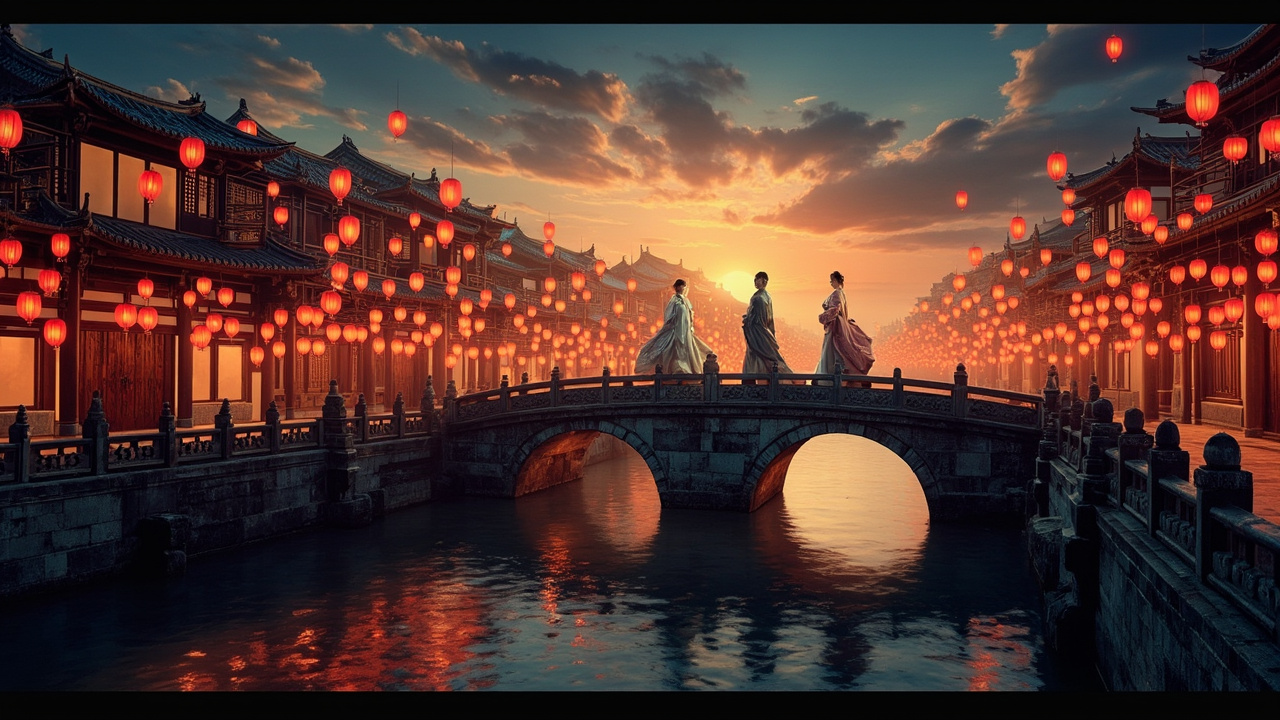
The night I first saw the Dragon Pavilion lit up, I was standing in a park full of old men flying kites shaped like centipedes. A woman next to me was practicing a sword dance with a ribbon attached to the blade, and somewhere behind the trees, someone was playing a two-stringed fiddle that sounded like a cat in distress. I’d been in Kaifeng for exactly four hours, and I already knew I’d made a mistake coming here for only two days.
Kaifeng is the forgotten capital of China. While Beijing gets the headlines and Xi’an gets the Terracotta Warriors, this city on the Yellow River’s southern bank was the heart of the Song Dynasty (960-1279), when the world’s largest city sat right here, with a population over one million at a time when London had maybe 15,000 people. The Song Dynasty invented paper money, gunpowder weapons, and the compass - and they did it all from Kaifeng. The city was the cultural and commercial center of the planet, and most international tourists have never heard of it.
This guide covers the ten places I actually visited across three trips, with real prices, real directions, and the kind of advice you’d get from a friend who’s been there. I’ll tell you what’s worth your time, what’s skippable, and how to navigate a city where almost nobody speaks English.
Quick answer
Kaifeng is a 2-3 day add-on to Beijing or Xi’an, best visited in spring (April-May) or autumn (September-October), with a budget of roughly $30-50 per day for a comfortable mid-range trip. China’s 2026 visa-free policies (240-hour transit visa-free for 54 countries, plus 30-day visa-free for many European and Southeast Asian nations) make it easy to add Kaifeng to a longer itinerary. The city is 1.5 hours from Zhengzhou by high-speed rail, and the must-see is the Qingming Riverside Landscape Garden, a massive Song Dynasty theme park that’s far better than it sounds.
The Short Version
Kaifeng is the real deal if you want to understand where modern China came from. The Qingming Riverside Landscape Garden is the single best historical theme park in China - go at night. The Night Market at Gulou is chaotic, cheap, and essential. The Dragon Pavilion is a beautiful park that’s more about atmosphere than artifacts. Skip the so-called “Song Dynasty Street” unless you’re desperate. Bring cash for street food, download a translation app, and don’t expect anyone to speak English. This is not a polished tourist city - it’s a real Chinese city with 5,000 years of history buried under it.
How I Picked These
I’ve been to Kaifeng three times since 2019 - once for two days, once for a week, and once for a long weekend. I walked the city walls, ate at the night market until I couldn’t walk, and spent hours in the museums reading the English placards (which are sparse but exist). I talked to a retired history teacher named Mr. Chen at the Dragon Pavilion who spent an afternoon explaining why the Song Dynasty fell (it’s complicated - corruption, military weakness, and the Yellow River changing course). I also made plenty of mistakes - I paid triple the normal price for a rickshaw ride, I ate something at the night market that I still can’t identify, and I nearly missed the last bus back to Zhengzhou. These ten places are the ones I’d send a friend to, in the order I’d send them.
Comparison Table
| Rank | Place | Best For | Approx Cost (USD) | Time Needed | When to Go |
|---|---|---|---|---|---|
| 1 | Qingming Riverside Landscape Garden | Song Dynasty immersion, night shows | $20 (145 CNY) | 3-4 hours | Evening, year-round |
| 2 | Kaifeng Night Market (Gulou) | Street food, local life | $5-15 total | 2-3 hours | Night, any season |
| 3 | Dragon Pavilion (Longting) | History, panoramic views | $8 (60 CNY) | 2 hours | Morning, spring/autumn |
| 4 | Iron Pagoda (Tieta) | Architecture, quiet reflection | $8 (60 CNY) | 1-2 hours | Late afternoon |
| 5 | Kaifeng Museum | Song Dynasty artifacts | Free | 2 hours | Weekday mornings |
| 6 | Baogong Temple | Justice lore, Song history | $5 (35 CNY) | 1-2 hours | Morning |
| 7 | Millennium City Park | Family fun, reenactments | $15 (110 CNY) | Half day | Weekends, festivals |
| 8 | Shan-Gan Guild Hall | Qing Dynasty architecture | $4 (30 CNY) | 1 hour | Any time |
| 9 | Daxiangguo Temple | Buddhist heritage | $6 (45 CNY) | 1-2 hours | Morning |
| 10 | Song Dynasty Street | Quick walk, photos | Free | 30-45 min | Daytime |
Qingming Riverside Landscape Garden - The best historical theme park in China
I was skeptical. A theme park based on a 900-year-old painting? It sounded like the kind of thing that would be cheesy and overpriced. Then I walked through the gates at 6 PM and watched the entire park transform into a Song Dynasty city at dusk, with actors in period costumes walking the streets, lanterns flickering on, and the smell of grilled lamb drifting from food stalls. I stood there for a full minute before I remembered to close my mouth.
The park is a full-scale recreation of the world depicted in Zhang Zeduan’s “Along the River During the Qingming Festival,” the most famous painting in Chinese history. It’s not a museum - it’s a living city. There are acrobats, martial arts demonstrations, a massive water battle show, and even a “brothel” where actors perform comedic skits (family-friendly, don’t worry). The attention to detail is remarkable - the buildings are constructed using Song Dynasty techniques, and the staff are trained in period etiquette.
Location: Longting West Road, Longting District, near the Dragon Pavilion Entry fee: $20 (145 CNY), includes all shows Opening hours: 9:00 AM - 10:00 PM (night shows start around 7:30 PM) Getting there: Take bus 1, 15, or 20 from the train station to the Longting stop. Walk east for 5 minutes. Or take a taxi from anywhere in the city center for about $3 (20 CNY). When to visit: Go at 6 PM. The park empties out, the lights come on, and the night shows begin. Weekdays are less crowded. Insider tips: The water battle show (“The Battle of Liangshan”) is the highlight - get there 20 minutes early for a good seat. The night parade at 8:30 PM is worth staying for. Bring cash for the food stalls inside - they don’t take cards. The park is huge - wear comfortable shoes. If you only see one thing in Kaifeng, make it this.
I ate a “Song Dynasty style” pork bun from a stall near the water show and it was the best thing I had in the city - flaky, juicy, and gone in three bites.
Kaifeng Night Market (Gulou) - Eat until you can’t move
The first thing you notice is the smoke. Dozens of grills sending columns of smoke into the night air, mixing with the smell of cumin, chili, and something sweet that I never identified. The second thing you notice is the noise - hundreds of people talking, shouting orders, and the sizzle of oil on hot metal. The third thing you notice is that you’re hungry, even if you weren’t before.
The night market at Gulou (Drum Tower) is the beating heart of Kaifeng after dark. This is where locals come to eat, and it’s been happening here for centuries - the Song Dynasty had night markets that operated until 3 AM, and this is the direct descendant. The food is cheap, the atmosphere is electric, and you’ll be the only foreigner in sight.
Location: Gulou Square, Gulou District, centered on the Drum Tower Entry fee: Free (food costs $1-5 per item) Opening hours: 6 PM - midnight, every day Getting there: Walk from anywhere in the old city - it’s the center of everything. From the train station, take bus 1 to Gulou stop. When to visit: Go hungry. The market peaks around 8-9 PM. Weekends are busier but more fun. Insider tips: The soup dumplings (guantang bao) are the local specialty - the ones at the stall directly south of the Drum Tower are the best. Try the “kaifeng style” fried tofu - it’s crispy on the outside, silky inside. Don’t be afraid to point at what you want - nobody will judge you. Bring small bills - most stalls don’t have change for large notes. The grilled lamb skewers are 1 USD (7 CNY) each and worth every cent.
I tried something that looked like a small pancake filled with what I later learned was fermented bean curd. It was… an experience. The vendor laughed at my face and gave me a free skewer to make up for it.
Dragon Pavilion (Longting) - Climb the stairs, see the city
The Dragon Pavilion sits on a man-made hill that was once the site of the Song Dynasty imperial palace. The original palace is long gone - the Yellow River flooded Kaifeng repeatedly, and each flood buried the city deeper. What you see now is a Qing Dynasty reconstruction, but the view from the top is worth the climb.
The park is a favorite spot for locals. On any given morning, you’ll see tai chi practitioners, dancers, and old men playing Chinese chess under the trees. The pavilion itself is impressive - a grand hall with a double-eaved roof and a dragon throne inside - but the real draw is the setting. The park is surrounded by a moat, and the entire complex sits on an artificial hill that was built from the rubble of the original palace.
Location: Longting West Road, Longting District Entry fee: $8 (60 CNY) Opening hours: 8:00 AM - 6:00 PM (winter), 7:30 AM - 7:00 PM (summer) Getting there: Bus 1, 15, or 20 to Longting stop. Walk north through the entrance gate. When to visit: Go early (before 9 AM) to see the morning exercise crowd. Spring and autumn are best - summer is brutally hot and winter is cold. Insider tips: The climb to the top is about 100 steps - take your time. The view from the top looks over the entire old city. The museum at the base has some original Song Dynasty artifacts. Mr. Chen, the retired history teacher I met here, told me that the hill was originally built to protect against floods - the palace was on high ground. If you see a group of people practicing calligraphy with water on the ground near the entrance, that’s a local tradition - they write with water and the characters disappear as they dry.
I spent an hour here with Mr. Chen, who told me the story of how the Song Dynasty fell - the emperor was captured, the city was sacked, and the survivors fled south to Hangzhou. He said it with the sadness of someone whose family has lived here for generations.
Iron Pagoda (Tieta) - The building that survived the floods
The Iron Pagoda isn’t made of iron - it’s made of glazed brown bricks that look like iron from a distance. It’s also not actually a pagoda in the traditional sense - it’s a 13-story octagonal tower that has stood here since 1049, surviving earthquakes, floods, and wars that destroyed everything around it.
The pagoda is remarkable because it’s the oldest surviving structure in Kaifeng. The Yellow River has flooded the city dozens of times, and each flood buried the old city deeper. The pagoda was built on high ground, so it survived. Today it leans slightly - about 2 degrees - giving it a personality that the perfectly straight modern buildings lack.
Location: Tieta Park, Beimen Street, Longting District Entry fee: $8 (60 CNY) for the park, $3 (20 CNY) extra to climb the pagoda Opening hours: 8:00 AM - 6:00 PM Getting there: Bus 1 or 20 to Tieta stop. Walk 5 minutes east. When to visit: Late afternoon, when the light hits the brown glazed bricks and makes them glow. The park is quiet and peaceful - you’ll likely have it to yourself. Insider tips: The climb to the top is steep and narrow - not for claustrophobes. The view from the top is worth it, though. The park around the pagoda is a lovely place to sit and rest - there’s a small lake and gardens. The pagoda is a UNESCO World Heritage site candidate, but it’s not yet listed, so it’s not crowded. If you’re interested in architecture, this is the most important building in Kaifeng.
I climbed to the top and counted the layers of history visible from above - the modern city spreading out in every direction, with the old city walls visible in the distance. It was the quietest I felt in Kaifeng.
Kaifeng Museum - Free, air-conditioned, and full of treasures
The Kaifeng Museum is the best free thing to do in the city, and it’s criminally underrated. The collection focuses on the Song Dynasty, and it includes some genuinely impressive artifacts - bronze vessels, porcelain, calligraphy, and a fascinating exhibit on the city’s history of flooding.
The museum is housed in a modern building that’s a bit out of the way, but it’s worth the trip. The English signage is sparse but exists, and the exhibits are well-curated. The highlight for me was the section on the Song Dynasty’s technological innovations - there’s a working replica of an early compass and a display on the world’s first paper money.
Location: 6 Yingbin Road, Longting District, about 2 km south of the city center Entry fee: Free (bring your passport for entry) Opening hours: 9:00 AM - 5:00 PM, closed Mondays Getting there: Bus 1 or 15 to Bowuguan stop. Walk 5 minutes south. When to visit: Weekday mornings, when it’s empty. The museum is a good escape from the summer heat or winter cold. Insider tips: The museum has a small gift shop with decent reproductions of Song Dynasty artifacts - better than the tourist traps in the old city. The exhibit on the Yellow River floods is fascinating - it explains why the city is built on layers of previous cities. The museum is free, but you need to show your passport at the entrance. Allow 2 hours to see everything properly.
I spent an hour staring at a Song Dynasty porcelain bowl that was so thin it was almost translucent. The guard came over to make sure I wasn’t going to touch it.
Baogong Temple - Justice, ghosts, and a very famous judge
Baogong Temple is dedicated to Bao Zheng, a Song Dynasty official who became a folk hero for his incorruptibility and his willingness to punish corrupt officials - even those from the imperial family. He’s been mythologized in Chinese culture as a kind of supernatural judge, and the temple is full of his legends.
The temple is smaller than the other sites on this list, but it’s atmospheric. The main hall has a statue of Bao Zheng with his famous black face (in Chinese opera, a black face means an upright and stern character), and there are exhibits on his life and cases. The grounds include a small lake and gardens, and the whole place feels more like a shrine than a tourist attraction.
Location: Baogong Lake, Gulou District, south of the old city Entry fee: $5 (35 CNY) Opening hours: 8:00 AM - 6:00 PM Getting there: Bus 1 or 20 to Baogongci stop. Walk 3 minutes south. When to visit: Morning, before the tour groups arrive. The temple is particularly atmospheric on a misty day. Insider tips: The temple has a small exhibit on the “Dragon, Tiger, and Dog” execution devices - these are the three levels of punishment that Bao Zheng was said to use, depending on the severity of the crime. The story is that the dog device was for commoners, the tiger for officials, and the dragon for royalty. The lake behind the temple is a popular spot for locals to fish and walk. There’s a small teahouse near the entrance that serves decent tea for about $2 (15 CNY).
I watched a group of elderly women performing a traditional dance in the square in front of the temple. They were wearing matching red outfits and had clearly been doing this for years.
Millennium City Park - The family-friendly option
If you’re traveling with kids, or if you want a more relaxed version of the Qingming Riverside Landscape Garden, the Millennium City Park is a solid choice. It’s less polished than the Qingming park, but it’s also less crowded and cheaper.
The park is built around the theme of Song Dynasty life, with reenactments, shows, and a “water street” where you can watch actors perform daily life scenes. There’s also a small zoo and a children’s play area. The highlight is the “Song Dynasty Wedding” show, which runs several times a day and is genuinely entertaining.
Location: 1 Yingbin Road, Longting District, next to the Kaifeng Museum Entry fee: $15 (110 CNY) Opening hours: 9:00 AM - 6:00 PM Getting there: Same as the Kaifeng Museum - bus 1 or 15 to Bowuguan stop. When to visit: Weekends, when there are more shows and activities. The park is less impressive on weekdays when some shows don’t run. Insider tips: Check the show schedule when you enter - the times vary. The “Song Dynasty Wedding” is the best show - it’s funny and interactive. The food inside the park is overpriced - eat before you go. The park is a good option if you’re traveling with kids or if the Qingming park is too crowded.
I watched a reenactment of a Song Dynasty court scene where the actors broke character and started taking selfies with the audience. It was absurd and delightful.
Shan-Gan Guild Hall - A hidden gem for architecture lovers
The Shan-Gan Guild Hall is one of the most beautiful buildings in Kaifeng, and almost no tourists know about it. It was built in the Qing Dynasty by merchants from Shanxi and Gansu provinces who came to Kaifeng for business, and it’s a masterpiece of Qing Dynasty architecture.
The guild hall is famous for its brick carvings, which cover the walls and depict scenes from Chinese opera and mythology. The detail is extraordinary - every brick is carved with a different scene, and the craftsmanship is world-class. The main hall has a beautiful stage where opera performances were held, and the whole complex feels like a secret oasis in the middle of the city.
Location: 52 Xufu Street, Gulou District, near the Drum Tower Entry fee: $4 (30 CNY) Opening hours: 8:00 AM - 6:00 PM Getting there: Walk from the Drum Tower - it’s about 10 minutes south. The entrance is on a small street that’s easy to miss. When to visit: Any time, but the light is best in the late afternoon when the carvings are illuminated. Insider tips: The brick carvings are the main attraction - take your time to look at them closely. The stage in the main hall has amazing acoustics - stand in the center and speak softly, and you can hear yourself clearly. There’s a small courtyard with a garden that’s perfect for a rest. The guild hall is a great example of how Kaifeng was a commercial hub - this is where the merchants from other provinces would meet and do business.
I met a retired architect here who was sketching the carvings. He told me that the guild hall was one of the best-preserved examples of Qing Dynasty merchant architecture in all of China.
Daxiangguo Temple - The temple that survived everything
Daxiangguo Temple has been destroyed and rebuilt so many times that it’s almost a metaphor for Kaifeng itself. Originally built in 555 AD, it was a major Buddhist center during the Song Dynasty, when it was one of the most important temples in China. It’s been destroyed by floods, fires, and wars, and every time it’s been rebuilt.
The current temple dates mostly from the Qing Dynasty, but the atmosphere is ancient. The main hall has a giant statue of Guanyin, the goddess of mercy, and there are monks in residence who chant in the mornings. The temple is smaller than the other sites on this list, but it’s a place of genuine spiritual practice, not just a tourist attraction.
Location: 36 Ziyou Road, Gulou District, near the Drum Tower Entry fee: $6 (45 CNY) Opening hours: 8:00 AM - 6:00 PM Getting there: Walk from the Drum Tower - it’s about 5 minutes east. When to visit: Morning, when the monks are chanting. The chanting starts around 5 AM and runs until about 7 AM - you can hear it from outside the temple. Insider tips: The Guanyin statue in the main hall is worth seeing - it has 1,000 arms, each with an eye in the palm. The temple has a small vegetarian restaurant that serves excellent Buddhist cuisine - try the “mock meat” dishes, which are made from tofu and gluten. The temple is still active, so be respectful - no loud talking or flash photography in the main halls. The bell tower has a bell that’s over 1,000 years old - you can ring it for a small donation.
I watched a monk sweep the courtyard with a bamboo broom while I ate a vegetarian dumpling from the temple restaurant. It was the most peaceful hour of my trip.
Song Dynasty Street - The tourist trap that’s still worth a walk
Song Dynasty Street is a reconstructed “ancient street” that’s mostly a tourist trap, but it’s worth a quick walk if you’re in the area. The street is lined with shops selling souvenirs, snacks, and “traditional” crafts, and there are actors in period costumes wandering around.
The street is fake - it was built in the 1990s - but it’s still fun. The architecture is a decent approximation of Song Dynasty style, and the street is a good place to buy souvenirs if you’re not going to make it to the Qingming park. The food stalls are overpriced compared to the night market, but the quality is decent.
Location: Xufu Street, Gulou District, near the Drum Tower Entry fee: Free Opening hours: Always open, but shops are active from 9 AM - 10 PM Getting there: Walk from the Drum Tower - it’s the street that runs south from the tower. When to visit: Daytime, when the shops are open. The street is dead at night. Insider tips: The “traditional” crafts on this street are mostly mass-produced - don’t pay more than $5 (35 CNY) for anything. The food is overpriced - eat at the night market instead. The street is a good place to buy postcards and small gifts. If you see a “Song Dynasty style” performance, it’s probably a tourist show - the real performances are at the Qingming park.
I bought a small ceramic whistle shaped like a bird for $2 (15 CNY) and spent the rest of the day annoying my travel companion with it. Worth it.
FAQ summary
Kaifeng is a 2-3 day destination best combined with Beijing or Xi’an, reachable by high-speed rail from Zhengzhou (1.5 hours, $15-25 USD / 110-180 CNY). The must-see attraction is the Qingming Riverside Landscape Garden ($20 USD / 145 CNY), best visited in the evening for the night shows. The city is budget-friendly, with mid-range hotels around $30-50 USD per night and street food meals under $5 USD. English is barely spoken, so download a translation app before you go. China’s 2026 visa-free policies (240-hour transit visa-free for 54 countries, 30-day visa-free for many European and Southeast Asian nations) apply to Kaifeng if you’re entering through Zhengzhou or Beijing. WeChat Pay and Alipay are essential - most vendors don’t accept cash or international cards.
FAQ
Q: Do I need a visa to visit Kaifeng in 2026? A: It depends on your nationality. As of 2026, citizens of 54 countries can enter China visa-free for up to 240 hours (10 days) for transit purposes, and 30-day visa-free entry applies to many European and Southeast Asian countries. Check the latest policy before you book, as rules change frequently.
Q: How do I get to Kaifeng from Beijing? A: Take the high-speed train from Beijing West Station to Zhengzhou East (about 2.5 hours, $50-80 USD / 360-580 CNY), then transfer to a local train to Kaifeng (30 minutes, $5 USD / 35 CNY). Alternatively, fly to Zhengzhou Xinzheng International Airport and take the airport shuttle to Kaifeng (1.5 hours, $10 USD / 70 CNY).
Q: Is English widely spoken in Kaifeng? A: No. Almost nobody speaks English, including at hotels and major attractions. Download a translation app like Google Translate or Pleco before you go, and have your hotel’s name and address written in Chinese to show taxi drivers.
Q: What is the best time to visit Kaifeng? A: Spring (April-May) and autumn (September-October) are ideal, with mild temperatures and clear skies. Summer is hot and humid, and winter is cold with occasional snow. Avoid Chinese public holidays (especially October 1-7) when domestic tourists flood the city.
Q: Do I need cash or can I use cards in Kaifeng? A: You need WeChat Pay or Alipay - these are the only payment methods most vendors accept. Set them up before you arrive, as they require a Chinese bank card or international card linked to your account. Bring some cash as backup for small street vendors.
Q: Is Kaifeng safe for solo travelers? A: Yes. Kaifeng is a safe city with low crime rates. The main risks are petty scams (overcharging for taxis and rickshaws) and getting lost, since English signage is minimal. Use ride-hailing apps like Didi (which has an English interface) instead of hailing taxis on the street.
Q: How many days do I need in Kaifeng? A: Two full days is enough to see the highlights. Day one: Qingming Riverside Landscape Garden in the evening, night market after. Day two: Dragon Pavilion in the morning, Iron Pagoda in the afternoon, Kaifeng Museum if you have time. Three days allows a more relaxed pace.
The Honest Wrap-up
Kaifeng is not for everyone. If you want polished museums, English-speaking guides, and seamless logistics, go to Xi’an or Beijing instead. But if you want to see a real Chinese city with 5,000 years of history, where the night market has been running for a thousand years and the locals will laugh with you when you botch your pronunciation, Kaifeng is the place. This list is for travelers who are curious, flexible, and willing to embrace a little chaos. My final advice: book the Qingming Riverside Landscape Garden for your first night, arrive hungry for the night market, and give yourself permission to get lost. The best moments in Kaifeng are the ones you didn’t plan.
More guides you may like
Top 10 Bridges in China: The Complete 2026 Guide
China's bridges are engineering marvels spanning mountains, rivers, and seas. Here are 10 of the most spectacular, from ancient stone to modern steel.
8 min read

Top 10 Buddhist Sites in China: The Complete 2026 Guide
From the Leshan Giant Buddha to the Dunhuang Caves, these 10 Buddhist sites represent 2,000 years of China's spiritual heritage.
9 min read
Top 10 Day Trips from Beijing You Shouldn't Miss: The Complete 2026 Guide
Beijing is packed with history, but some of China's best experiences are just a few hours away. Here are 10 day trips that will transform your visit.
9 min read
Top 10 Hidden Gems in China Off the Beaten Path: The Complete 2026 Guide
Beyond the Great Wall and Terracotta Warriors, China has incredible hidden destinations few tourists ever reach. Here are 10 underrated gems worth the detour.
9 min read
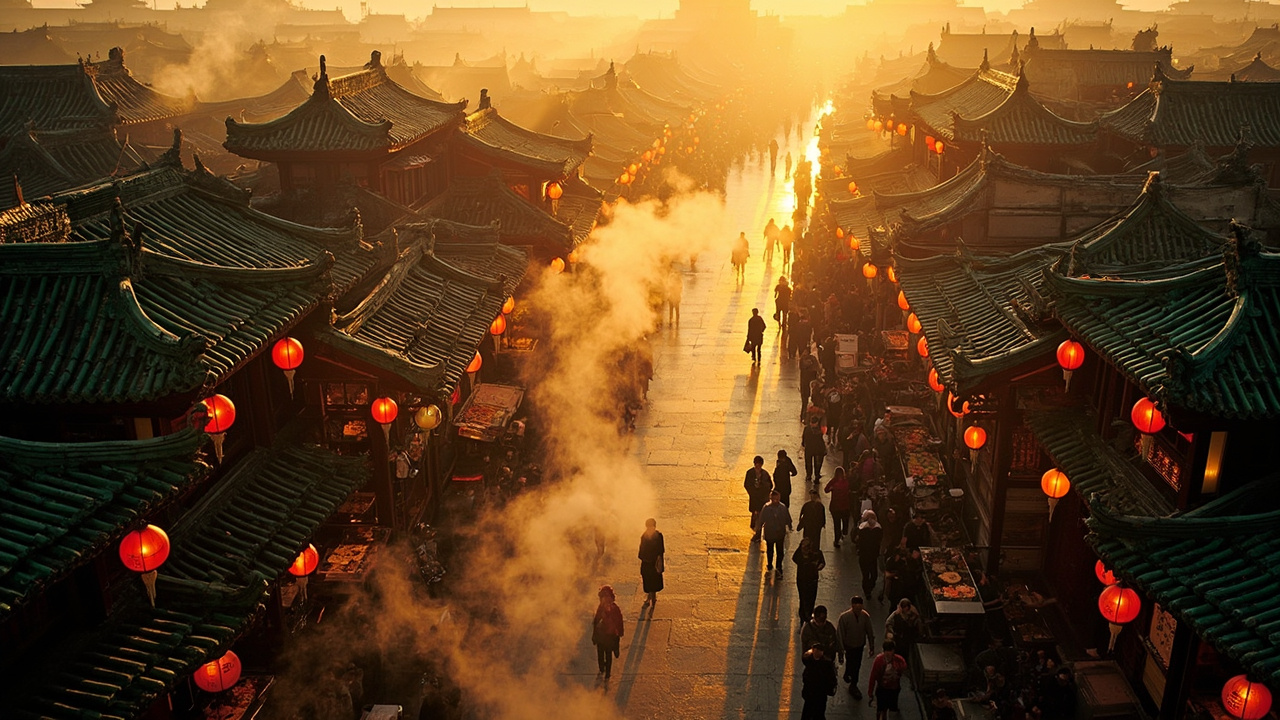
Top 10 Markets and Shopping Streets in China: The Complete 2026 Guide
From Shanghai's Bund to Beijing's Silk Street - 10 markets where foreigners can haggle, explore, and bring home authentic Chinese goods.
9 min read
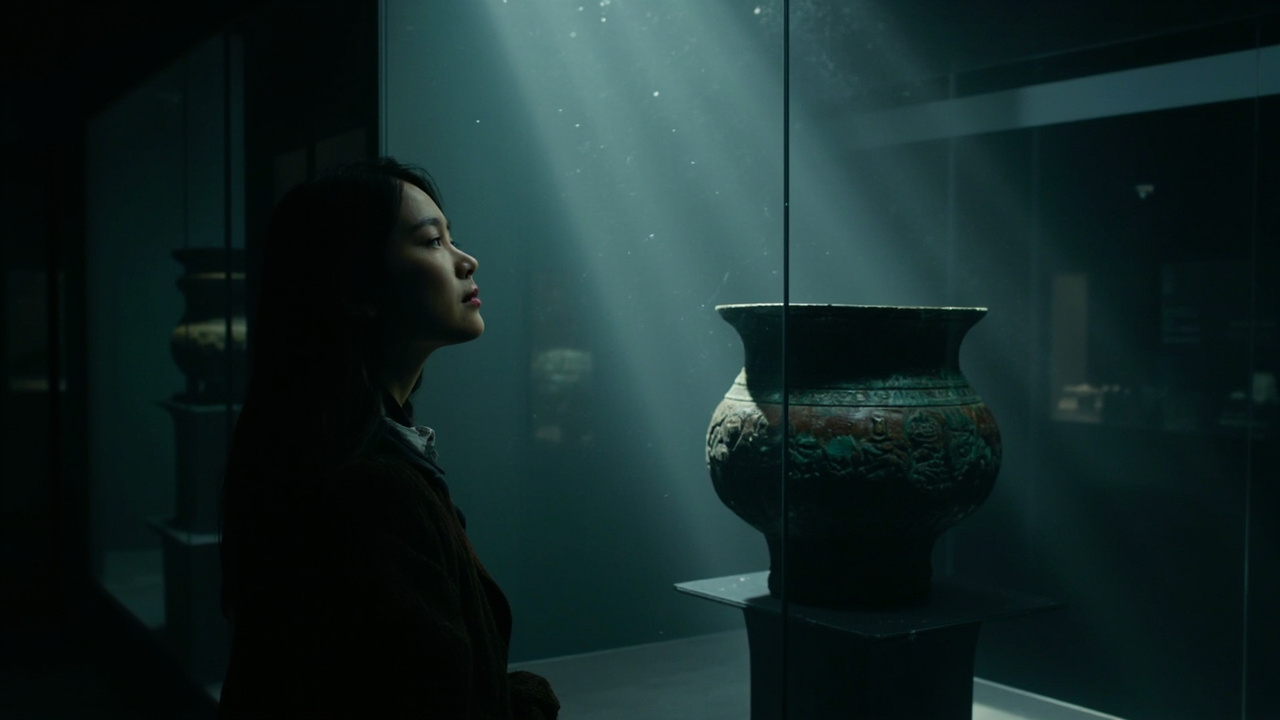
Top 10 Museums in China You Shouldn't Miss: The Complete 2026 Guide
China's museums span 5,000 years of civilization. These 10 - from the Palace Museum to Xi'an's terracotta gallery - are unmissable for culture lovers.
9 min read