
Bezeklik Thousand Buddha Caves: The Complete 2026 Guide
TODO: Extract from article (100-160 chars)
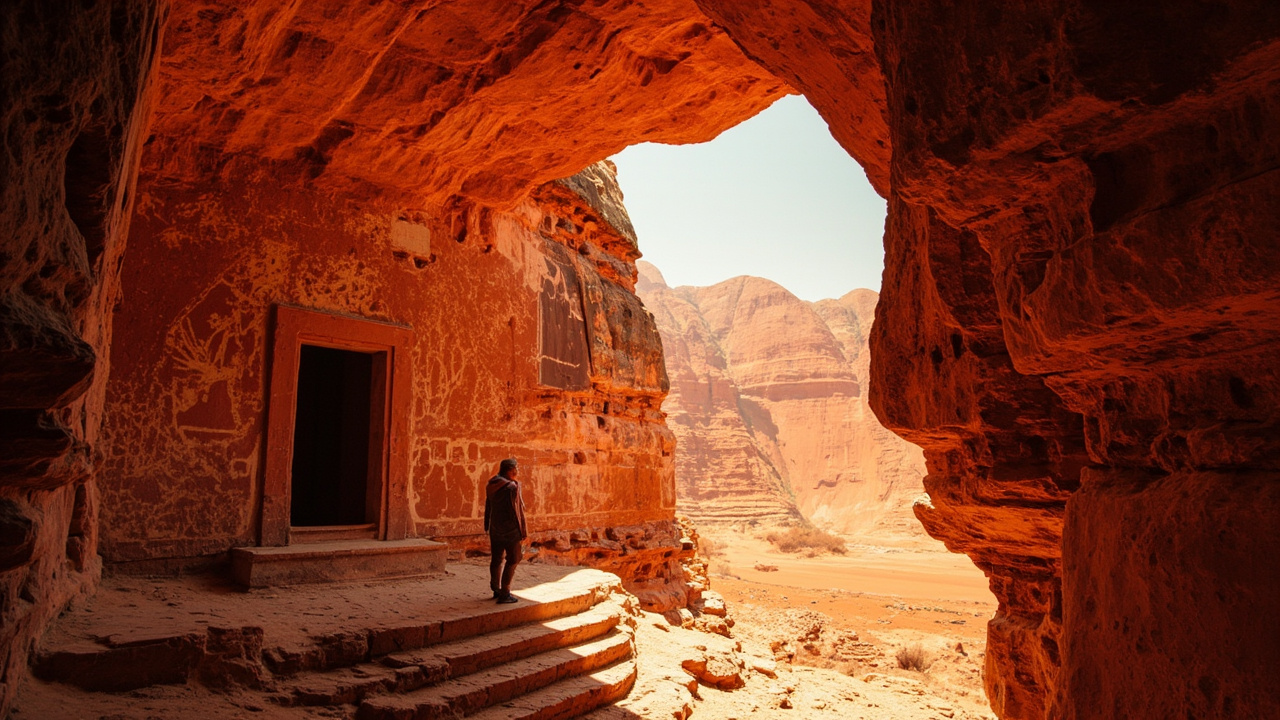
The cab driver from the Turpan train station looked at me in the rearview mirror and said, in broken English, “You want to see dead Buddha? Why?” I laughed. It was a fair question. I’d just spent three hours on a slow train from Urumqi, past the endless gray-brown of the Gobi, and now I was asking him to drive me another hour into the Flaming Mountains to look at a cliff full of damaged murals. He shrugged, turned up the Uyghur pop music on the radio, and hit the gas. Forty minutes later, he parked at the bottom of a dusty canyon and pointed up a long, steep staircase carved into the rock. “Good luck,” he said. “Very hot. Drink water.”
That was my first visit to the Bezeklik Thousand Buddha Caves, and I’ve been back four times since. The site is one of the most important Buddhist cave complexes in China, a dusty relic of the ancient Silk Road that most international tourists skip entirely. The murals inside are faded, scarred, and partially hacked off the walls by European explorers in the early 1900s, but what remains is extraordinary. This guide covers everything you need to know for a 2026 visit: how to get there, what you’ll actually see, what it costs, and the mistakes I’ve made so you don’t have to.
Quick answer
The Bezeklik Thousand Buddha Caves are a Buddhist cave complex in the Flaming Mountains east of Turpan, Xinjiang, with 77 surviving caves and roughly 40 open to the public. A visit costs about $20 (CNY 140) for the ticket plus a mandatory shuttle bus, and the caves are open year-round, though spring and autumn are the only comfortable seasons. The site is a 1-2 hour drive from Turpan city, and you’ll need either a hired car with a driver or a private tour, since there’s no public bus.
The Short Version
If you have 90 seconds, here’s the deal. Bezeklik is not Dunhuang. It’s smaller, rougher, and much less polished, but that’s exactly why I keep going back. The murals are genuinely ancient (7th-13th century), the setting in a red-rock canyon is dramatic, and you’ll likely have the place almost to yourself. Budget a half day, hire a car from Turpan for about $60-80 (CNY 400-550), and go in the morning before the heat hits. Bring water, wear sunscreen, and don’t expect English signage, because there isn’t much.
How I Picked These
I’ve lived in Beijing for seven years and made four separate trips to Turpan specifically to visit Bezekrik and the surrounding Silk Road sites. I’ve walked the site with a local Uyghur guide named Abdu, who grew up in a village at the base of the Flaming Mountains, and I’ve also visited alone with just a translation app and a lot of patience. I’ve been in summer when the heat was genuinely dangerous (48 degrees Celsius, no shade) and in October when the light made the canyon walls glow orange. The practical details in this guide come from those visits, plus conversations with the site staff and the drivers who shuttle tourists between Turpan and the caves.
Comparison Table
| Rank | Place | Best For | Approx Cost (USD) | Time Needed | When to Go |
|---|---|---|---|---|---|
| 1 | Bezeklik Thousand Buddha Caves | Ancient Buddhist murals in a dramatic canyon | $20 (CNY 140) + shuttle | 2-3 hours | Mar-May, Sep-Oct |
| 2 | Astana Tombs | Silk Road artifacts and mummies | $15 (CNY 100) | 1-2 hours | Same as above |
| 3 | Jiaohe Ancient City | Ruins of a 2,000-year-old city | $17 (CNY 120) | 2 hours | Same as above |
| 4 | Turpan Museum | Local history, mummies, Silk Road finds | Free | 1-2 hours | Year-round |
| 5 | Karez Irrigation System | Ancient underground water channels | $12 (CNY 80) | 1 hour | Year-round |
| 6 | Grape Valley | Uyghur village life, vineyards | $25 (CNY 170) | 2-3 hours | Aug-Oct |
| 7 | Tuyoq Valley | Remote canyon village, Buddhist ruins | $20 (CNY 140) | Half day | Mar-May, Sep-Oct |
| 8 | Sugong Pagoda | Islamic architecture, minaret | $10 (CNY 70) | 45 min | Year-round |
| 9 | Salt Water Spring | Scenic drive, flaming mountain views | Free | 30 min | Year-round |
| 10 | Gaochang Ancient City | Large desert ruins, less crowded than Jiaohe | $17 (CNY 120) | 1-2 hours | Same as above |
Bezeklik Thousand Buddha Caves: The Complete 2026 Guide
1. Cave 15 - The King’s Cave, Where the Best Murals Survive
I remember standing in Cave 15 for the first time and just staring at the ceiling. The central dome is covered in thousands of tiny painted Buddhas, each one no bigger than my palm, arranged in concentric circles. The colors have faded to muted ochres and dusty blues, but the sheer density of the artwork is overwhelming. This cave is the crown jewel of Bezeklik, and it’s the one cave where the damage is least visible.
The murals here show the kings of the ancient Uyghur Kingdom of Qocho making offerings to the Buddha. You can see their faces clearly, with distinct ethnic features that look nothing like the typical Chinese Buddhist iconography you’ll see elsewhere in the country. The detail in the silk robes and the jewelry is remarkable, especially when you remember these paintings are over a thousand years old.
Location: Central section of the cliff face, about halfway up the main staircase. Entry fee: Included in the main ticket ($20 / CNY 140). Opening hours: 9:00 AM to 6:30 PM in summer, 9:30 AM to 6:00 PM in winter. How to get there: Follow the main path from the shuttle bus drop-off, climb the main staircase, and Cave 15 is the third cave on your left. When to visit: Mid-morning, around 10:00 AM, when the light comes through the cave openings at an angle. Insider tips: The cave is small and can feel crowded even with 10 people inside. Go early. Don’t use flash photography, it damages the pigments. The site staff will yell at you if you touch the walls, and they’re right to. Bring a small flashlight, the interior is darker than you expect.
I met an elderly Uyghur man selling cold water bottles at the base of the stairs. He told me his grandfather used to graze sheep in this canyon before the site was protected. He charged me the same price as the shop in town, which surprised me.
2. Cave 20 - The Giant Buddha, Damaged But Still Powerful
Cave 20 is the one that breaks your heart. The central Buddha statue is gone, hacked away by German explorer Albert von Le Coq in 1906, who cut the murals into portable sections and shipped them to Berlin. Many of those pieces were destroyed in WWII bombing. What remains is the empty alcove where the statue once stood, surrounded by fragments of murals that were too large to steal.
But here’s the thing. Even in its damaged state, Cave 20 is one of the most moving spaces I’ve seen in China. The scale is enormous, the alcove is maybe 15 meters tall, and you can still see the outlines of the mural panels that once covered every surface. There’s a strange power in the emptiness. It’s like visiting a cathedral that was stripped of its art, and you can feel the loss physically.
Location: Upper level of the cliff, at the far end of the walkway. Entry fee: Included in the main ticket. Opening hours: Same as the site. How to get there: From Cave 15, continue along the walkway to the end. You’ll see the large alcove from the path. When to visit: Late afternoon, when the sun hits the back wall of the alcove. Insider tips: Stand in the center of the cave and look up. The scale is deceptive from the entrance. There’s a small sign in Chinese explaining the history, but no English. Take a photo of the sign and use your translation app. The walkway outside this cave has the best view of the canyon below.
I watched a Chinese tourist stand in the middle of this cave for five minutes, completely silent, then turn to her friend and say, “They took everything.” She wasn’t wrong.
3. The Murals of the Praṇidhi Scenes - The Most Famous Paintings
If you’ve seen photos of Bezeklik online, you’ve seen these murals. The Praṇidhi scenes depict the Buddha in various past lives, and they’re painted in a style that’s completely unique to this site. The faces are round, the eyes are almond-shaped, and the skin tones range from pale pink to deep brown, reflecting the diversity of the Silk Road population.
The most famous panel shows the Buddha in a red robe with a halo of green and blue, surrounded by figures in Central Asian dress. It’s the image that appears in every guidebook, and it’s in a small cave near the center of the complex. The colors are remarkably well-preserved, probably because this cave was sealed off for centuries by rockfall.
Location: A small cave near the center of the complex, marked with a sign in Chinese and English. Entry fee: Included. Opening hours: Same as the site. How to get there: From the main staircase, take the left fork instead of going straight up. The cave is about 50 meters along this path. When to visit: Morning, before the tour groups arrive from Turpan (usually around 11:00 AM). Insider tips: The panel is low on the wall, so crouch down to see it at eye level. The lighting is poor, so wait a minute for your eyes to adjust before taking photos. If you’re interested in the history, read up on the Silk Road Buddhist art before you come, there’s no English information on site.
I spent twenty minutes in this cave on my second visit, just sitting on the floor and looking at the faces in the mural. A security guard came in, looked at me, and sat down next to me. We didn’t speak, but we both just stared at the painting for a while.
4. The Cave of the Monks - Where the Community Lived
Most visitors rush through the caves without noticing the smaller, plainer ones that were used for daily life. The monks’ caves are simple, with no murals, just small niches for sleeping and a central space for eating and studying. They’re easy to miss, but they give you a sense of what daily life was like for the community that lived here.
My favorite is a small cave near the eastern end of the complex that has a tiny kitchen niche, complete with a smoke-blackened ceiling from centuries of cooking fires. You can still see the soot marks on the stone. It’s a small thing, but it makes the place feel lived-in, not just like a museum.
Location: Eastern end of the complex, down a short path from the main walkway. Entry fee: Included. Opening hours: Same as the site. How to get there: Follow the main walkway to the eastern end, then look for a small path that descends to a lower level. When to visit: Any time, but it’s a good spot to escape the midday heat. Insider tips: These caves are often locked, but the staff will open them if you ask. Use your translation app to say “Can you open this cave?” in Chinese. The staff are usually happy to oblige if you’re polite. Don’t expect any English information here.
I once saw a tour guide bring a group of Chinese tourists into this cave and explain that the monks would have eaten their meals here, looking out at the canyon. The tourists all took photos of the soot-stained ceiling. It was a nice moment.
5. The View from the Top - The Flaming Mountains
The Bezeklik caves are carved into the side of the Flaming Mountains, the same range that gets mentioned in Journey to the West. The name comes from the red sandstone that glows orange in the afternoon sun, and the view from the top of the complex is one of the best in the region.
There’s a path that leads up from the eastern end of the walkway to a small plateau above the caves. It’s not marked, and it’s a bit of a scramble, but the view is worth it. You can see the entire canyon, the green strip of the Turpan oasis in the distance, and the endless brown of the Gobi beyond that.
Location: Above the eastern end of the cave complex. Entry fee: Free, it’s outside the ticketed area. Opening hours: The path is always accessible, but the site gates close at 6:30 PM. How to get there: From the eastern end of the walkway, look for a faint path leading up the slope. It’s about a 10-minute scramble. When to visit: Late afternoon, when the light turns the mountains orange. Insider tips: Wear sturdy shoes, the path is loose gravel. Bring water, there’s no shade up here. Don’t attempt this in summer, the heat is genuinely dangerous. The view is better in the late afternoon when the sun is low.
I brought a picnic lunch up here once, a simple spread of bread, cheese, and grapes from the Turpan market. A local shepherd walked past with his flock, looked at me, and just shook his head and laughed.
6. The Shuttle Bus and the Entrance Area - The Practical Stuff
The entrance area at Bezeklik is surprisingly modern, with a large parking lot, a ticket office, and a shop selling snacks and water. The shuttle bus is mandatory, you can’t walk from the entrance to the caves, and it’s a short but bumpy ride through the canyon.
The bus drops you at the base of the main staircase, and from there you walk up to the caves. The staircase is steep, with maybe 200 steps, and there’s no shade, so it’s a real workout in the summer heat. There’s a small rest area at the top with benches, but no water fountains, so bring your own.
Location: The entrance is on the main road between Turpan and the Flaming Mountains. Entry fee: The shuttle bus costs about $3 (CNY 20) on top of the main ticket. Opening hours: The shuttle runs from 9:00 AM to 6:00 PM. How to get there: Your driver will drop you at the entrance. There’s no public transport to the site. When to visit: Go early, the shuttle bus gets crowded with tour groups after 10:00 AM. Insider tips: The ticket office accepts WeChat Pay and Alipay, but not foreign credit cards. Make sure you have a payment app set up before you come. The shop at the entrance sells cold drinks and ice cream, which is a lifesaver in summer. There are toilets at the entrance and at the top of the stairs, but they’re basic.
I once forgot my water bottle in the car and had to buy a warm bottle of water from the shop at the entrance. It cost me the equivalent of $1.50, which is a rip-off, but I was grateful for it.
7. Getting There from Turpan - The Car Hire Question
There’s no public bus to Bezeklik, and no ride-hailing apps work reliably in Turpan. Your options are a hired car with a driver, a private tour, or a taxi that you negotiate with for the day. I’ve done all three, and the hired car is the best option.
Expect to pay $60-80 (CNY 400-550) for a car and driver for the day, which is enough time to visit Bezeklik plus one or two other sites in the area. Your hotel can arrange this, or you can negotiate with a taxi driver at the train station. Make sure you agree on the price before you get in the car.
Location: Turpan city, about 40 kilometers from the caves. Entry fee: N/A. Opening hours: N/A. How to get there: From Turpan, head east on the G30 highway, then south on the road to the Flaming Mountains. The drive takes about 45 minutes. When to visit: Leave Turpan by 8:30 AM to beat the heat and the tour groups. Insider tips: Negotiate the price before you get in the car, and make it clear you want the driver to wait for you. Some drivers will try to leave and come back, which wastes time. Ask the driver to take you to the Astana Tombs on the way back, they’re on the same road. Most drivers speak only basic Mandarin, so have your translation app ready.
My driver on one trip was a man named Liu, who told me he’d been driving tourists to Bezeklik for 15 years. He pointed out a small shrine on the roadside that I never would have noticed, and explained that it was a local Muslim saint’s tomb.
8. The Astana Tombs - The Perfect Companion Visit
The Astana Tombs are about 15 minutes from Bezeklik, and they’re the perfect pairing for a half-day trip. This is a cemetery from the same period, and it’s famous for the mummified bodies and the painted wooden panels that were buried with the dead.
The site is less impressive than Bezeklik, but it’s fascinating in a different way. You can look down into the open tombs and see the mummies, some of which are remarkably well-preserved. There’s also a small museum with artifacts from the tombs, including silk textiles and documents that tell you about daily life on the Silk Road.
Location: About 15 minutes east of Bezeklik on the same road. Entry fee: $15 (CNY 100). Opening hours: 9:00 AM to 6:00 PM. How to get there: Ask your driver to take you here on the way back from Bezeklik. When to visit: Combine with Bezeklik in the morning, then have lunch in Turpan. Insider tips: The mummies are real, and they’re not for the faint of heart. The site is small, so you’ll be done in about an hour. There’s no English signage, so use your translation app or hire a guide in Turpan. The museum has some excellent artifacts that are worth seeing.
I remember standing in front of one of the mummies, a woman who died over a thousand years ago, and thinking about how she would have lived her life. It’s a strange feeling, looking at someone’s face that clearly.
9. The Turpan Museum - Free and Worth Your Time
If you’re interested in the history of the region, the Turpan Museum is a must-visit. It’s free, it’s air-conditioned, and it has an excellent collection of artifacts from the Silk Road period, including some of the mummies from the Astana Tombs.
The museum is small, but it’s well-curated, and the displays are in both Chinese and English. The highlight is the mummy collection, which includes a famous “Beauty of Loulan” mummy that’s over 3,000 years old. There’s also a good section on the history of the Uyghur people and the various kingdoms that ruled this region.
Location: In the center of Turpan, near the main square. Entry fee: Free. Opening hours: 9:30 AM to 5:30 PM, closed on Mondays. How to get there: It’s a 10-minute walk from the main square, or a short taxi ride. When to visit: Midday, when the heat is at its worst and you need air conditioning. Insider tips: The museum is free, but you need to show your passport to get in. The mummy display is in a separate room, and it’s not for the faint of heart. There’s a small gift shop with books about the Silk Road, which are a good souvenir.
I spent two hours in this museum on my first visit, and I learned more about the Silk Road than I had in any book. The staff are friendly and happy to answer questions, even with the language barrier.
10. The Grape Valley - A Different Side of Turpan
The Grape Valley is a touristy spot, but it’s worth a visit if you have time. It’s a green oasis in the middle of the desert, full of vineyards and Uyghur villages, and it’s a completely different experience from the dusty caves and ruins.
The main attraction is the vineyard walkway, a shaded path lined with grape vines that produce the famous Turpan raisins. There are also restaurants serving Uyghur food, and you can buy fresh grapes and raisins to take home. It’s touristy, but it’s fun, and the food is good.
Location: About 10 kilometers north of Turpan city. Entry fee: $25 (CNY 170). Opening hours: 9:00 AM to 6:00 PM. How to get there: It’s a 15-minute taxi ride from the city center. When to visit: August and September, when the grapes are in season. Insider tips: The entrance fee is steep for what you get, but the food is good. Try the fresh grapes, they’re unlike anything you’ll find in the West. The restaurants are all similar, so just pick the one with the most locals. There’s a small bazaar near the entrance where you can buy raisins and dried fruit.
I had lunch here with a group of Uyghur tourists who insisted I try their homemade yogurt. It was the best I’ve ever had, and I’ve been chasing that taste ever since.
FAQ summary
The Bezeklik Thousand Buddha Caves are open year-round, cost about $20 (CNY 140) plus a $3 (CNY 20) shuttle bus, and are best visited in spring or autumn when temperatures are mild. There is no public transport to the site, so you’ll need to hire a car from Turpan for $60-80 (CNY 400-550). The caves are part of a larger Silk Road itinerary that can include the Astana Tombs, Jiaohe Ancient City, and the Turpan Museum, all within a day’s drive of Turpan.
FAQ
Q: How do I get to the Bezeklik Thousand Buddha Caves from Turpan? A: You’ll need to hire a car with a driver, which costs about $60-80 (CNY 400-550) for the day. There’s no public bus, and ride-hailing apps don’t work reliably in the area. Your hotel can arrange a driver, or you can negotiate with a taxi at the train station.
Q: What is the entry fee for the Bezeklik Thousand Buddha Caves? A: The main ticket costs $20 (CNY 140), and the mandatory shuttle bus from the entrance to the caves costs an additional $3 (CNY 20). You can pay with WeChat Pay or Alipay, but not with foreign credit cards.
Q: How much time do I need to visit the caves? A: Plan for 2-3 hours, which includes the shuttle bus ride, the walk up the stairs, and time to see the main caves. If you want to take your time and visit the smaller caves, budget closer to 3 hours.
Q: Is the site accessible for people with mobility issues? A: Not really. The shuttle bus drops you at the base of a steep staircase with about 200 steps, and there’s no elevator or alternative route. The caves themselves have uneven floors and low doorways.
Q: What is the best time of year to visit? A: Spring (March-May) and autumn (September-October) are the best times, with mild temperatures and good light. Summer is brutally hot, with temperatures often exceeding 45 degrees Celsius, and winter is cold but manageable.
Q: Do I need a VPN for my phone in Turpan? A: Yes. Xinjiang has stricter internet controls than the rest of China, and many Western websites and apps are blocked. Set up a reliable VPN before you arrive, and be prepared for some apps to be slow or unreliable.
Q: Is English spoken at the site? A: Very little. The staff speak only Chinese and Uyghur, and there’s minimal English signage. Download a translation app before you go, and consider hiring a guide in Turpan if you want detailed explanations of the murals.
The Honest Wrap-up
This list is for travelers who want to see something real, not just the postcard version of China. Bezeklik isn’t polished, and it isn’t easy, but it’s one of the most memorable places I’ve visited in seven years of living here. If you’re short on time or patience, skip it and go to Dunhuang instead, which is more developed and easier to reach. But if you’re willing to deal with the heat, the language barrier, and the lack of amenities, you’ll be rewarded with a place that feels genuinely ancient and untouched. My final advice: hire a driver for the full day, start early, and bring more water than you think you need. And when you’re standing in front of the empty alcove in Cave 20, take a moment to just be quiet. It’s worth it.
More guides you may like
Top 10 Bridges in China: The Complete 2026 Guide
China's bridges are engineering marvels spanning mountains, rivers, and seas. Here are 10 of the most spectacular, from ancient stone to modern steel.
8 min read

Top 10 Buddhist Sites in China: The Complete 2026 Guide
From the Leshan Giant Buddha to the Dunhuang Caves, these 10 Buddhist sites represent 2,000 years of China's spiritual heritage.
9 min read
Top 10 Day Trips from Beijing You Shouldn't Miss: The Complete 2026 Guide
Beijing is packed with history, but some of China's best experiences are just a few hours away. Here are 10 day trips that will transform your visit.
9 min read
Top 10 Hidden Gems in China Off the Beaten Path: The Complete 2026 Guide
Beyond the Great Wall and Terracotta Warriors, China has incredible hidden destinations few tourists ever reach. Here are 10 underrated gems worth the detour.
9 min read
Top 10 Markets and Shopping Streets in China: The Complete 2026 Guide
From Shanghai's Bund to Beijing's Silk Street - 10 markets where foreigners can haggle, explore, and bring home authentic Chinese goods.
9 min read
Top 10 Museums in China You Shouldn't Miss: The Complete 2026 Guide
China's museums span 5,000 years of civilization. These 10 - from the Palace Museum to Xi'an's terracotta gallery - are unmissable for culture lovers.
9 min read