
Guizhou Cuisine Guide: The Complete 2026 Guide
TODO: Extract from article (100-160 chars)
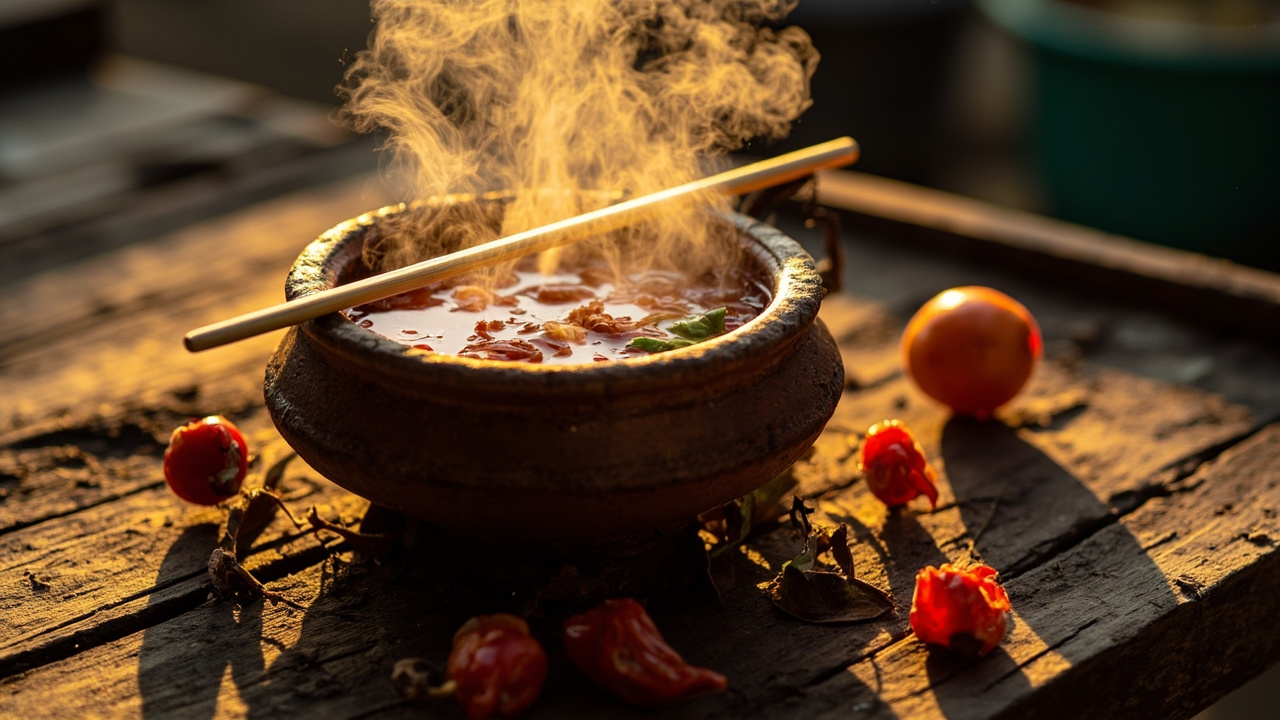
Guizhou Cuisine Guide: The Complete 2026 Guide
The first thing I remember about Guizhou food isn’t a dish. It’s the smell. I stepped out of the train station in Guiyang and the air hit me like a wall - sour, spicy, fermented, alive. A woman was squatting by the curb with a basket of pickled radishes, and the vinegar-salt aroma cut through the diesel fumes like a knife. I’d been in China for five years by then, eaten my way through Sichuan and Hunan and Yunnan, and I thought I knew what “spicy” meant. I was wrong.
Guizhou is China’s hidden culinary province. It’s the poorest province in the country, which means people here eat what they can grow, pickle, ferment, and preserve. That necessity created one of the most distinctive cuisines in China - sour and spicy where Sichuan is numbing and Hunan is just hot. The province is also home to the Miao, Dong, and Buyi ethnic minorities, whose festivals and cooking methods shape everything you’ll taste. Yet almost no international tourists go there. In 2019, Guizhou received about 1.5 million foreign visitors - compared to over 30 million in Yunnan. That’s your chance to eat somewhere genuinely undiscovered.
This guide covers the ten dishes and food experiences you can’t miss, where to find them, what they’ll cost, and the practical details that make the difference between a great meal and a frustrating one. I’ve eaten my way through this province multiple times - including one memorable week where I ate something pickled at every single meal. This is what I learned.
Quick answer
Guizhou cuisine is China’s most underrated regional food culture, defined by sour flavors (from fermented tomatoes and rice), chili-based heat, and preserved ingredients. The must-try dishes are sour fish soup (suantang yu), changwang noodles, and sibawa. A full meal costs $3-$10 (20-70 CNY) per person. The best time to visit for food is during the Miao New Year (usually November) when villages hold massive communal feasts. Most international tourists arrive via Guiyang Longdongbao International Airport, and you’ll need a VPN and WeChat Pay set up before you arrive.
The Short Version
If you only have 90 seconds: Guizhou is sour before it’s spicy, and that’s what makes it different from every other Chinese cuisine. The sour comes from fermented tomatoes and rice wine, not vinegar. The signature dish is suantang yu (sour soup fish), and the best version I’ve found is in Kaili, not Guiyang. Street food is cheap, safe, and excellent - eat it. The province is poor, the infrastructure is surprisingly good, and the food will change how you think about Chinese cooking. Go before the crowds discover it.
How I Picked These
I’ve traveled to Guizhou seven times since 2019, spending about six weeks total in the province. I’ve eaten in roadside stalls in Kaili, at a Miao wedding in Xijiang, in Guiyang’s back alleys, and at a Dong village feast in Zhaoxing. I talked to chefs, home cooks, taxi drivers, and a grandmother in a Miao village who insisted I eat four bowls of her pickled fish before she’d let me leave. I also read Chinese food blogs and academic papers on Guizhou cuisine - the province’s food culture is well-documented in Chinese, barely at all in English. This list reflects what I’d tell a friend visiting for the first time, not what a tourism board would promote.
Comparison Table
| Rank | Place | Best For | Approx Cost (USD) | Time Needed | When to Go |
|---|---|---|---|---|---|
| 1 | Kaili Sour Soup Fish | The definitive Guizhou dish | $5-$8 (35-55 CNY) | 2-3 hours | Year-round, best in cooler months |
| 2 | Guiyang Changwang Noodles | Breakfast, city food culture | $2-$3 (15-20 CNY) | 1 hour | Morning, before 10am |
| 3 | Xijiang Miao Village | Ethnic minority food, festival feasts | $10-$15 (70-105 CNY) | Half day | Miao New Year (Nov) or harvest season |
| 4 | Zhaoxing Dong Village | Dong sour fish, rice wine culture | $8-$12 (55-85 CNY) | Half day | Spring or autumn festivals |
| 5 | Guiyang Night Market | Street food variety | $3-$6 (20-40 CNY) | 2-3 hours | Evening, 7-10pm |
| 6 | Anshun Rice Noodles | Regional noodle variation | $2-$4 (15-28 CNY) | 1-2 hours | Morning |
| 7 | Zunyi Lamb Noodles | Hearty northern Guizhou food | $3-$5 (20-35 CNY) | 1 hour | Winter mornings |
| 8 | Qingyan Ancient Town | Pickled vegetables, traditional snacks | $4-$7 (28-50 CNY) | Half day | Weekdays, avoid holidays |
| 9 | Libo Zhangjiang | Wild mushroom hotpot | $8-$15 (55-105 CNY) | 2-3 hours | Summer, after rain |
| 10 | Guiyang Silk Baby (Sibawa) | The snack you can’t find elsewhere | $1-$2 (7-14 CNY) | 30 minutes | Any time, street stalls |
1. Suantang Yu (Sour Soup Fish) - The Dish That Defines Guizhou
The first time I ordered sour soup fish in Kaili, the pot arrived with a layer of red oil floating on top, and I assumed it was a tomato base. It was. But the tomatoes had been fermented in a clay jar for weeks, then cooked with wild rice wine and chili. The first spoonful made me pause. It was sour in a way I hadn’t tasted before - not vinegar-sharp, but deep and slightly funky, like a good kimchi crossed with a fish stew.
The fish itself is usually a local freshwater variety, cooked whole in the bubbling pot. You eat it with a dipping sauce of dried chilies, salt, and fermented soybeans, and you drink the broth like soup. The best version I’ve had was in a small restaurant near Kaili’s train station - a place with plastic stools and a menu written only in Chinese. The owner, a woman named Auntie Wu, saw me struggling and just brought me everything she thought I should try. The meal cost 45 CNY ($6) and I still think about it.
- Location: Kaili, Miao and Dong Autonomous Prefecture. Look for restaurants along Beijing East Road.
- Entry fee: None (restaurant prices vary; expect 35-55 CNY per person).
- Opening hours: Most restaurants serve lunch 11am-2pm and dinner 5-9pm. The famous ones sell out by 8pm.
- How to get there: High-speed train from Guiyang North Station to Kaili South Station (about 40 minutes, 60 CNY / $8). From Kaili South, take taxi (15 minutes, about 20 CNY / $3) to Beijing East Road.
- When to visit: Year-round. The broth is especially satisfying in winter, but summer versions with fresh vegetables are lighter.
- Insider tips: Ask for the “red sour” (hong suan) version, which uses fermented tomatoes. The “white sour” (bai suan) uses fermented rice water and is more acquired. Don’t skip the dipping sauce - it’s essential. The fish will have bones; eat slowly. If you can’t handle spice, say “bu la” (not spicy) - but you’ll miss half the point.
- A specific person I met: Auntie Wu, who after my third visit started calling me “her American son” and taught me how to properly eat the fish without choking on bones.
2. Changwang Noodles - Guiyang’s Breakfast of Champions
Changwang noodles are the food of Guiyang’s mornings. The name translates roughly to “intestine and blood” noodles - pork intestines and congealed pork blood in a rich, spicy broth over fresh wheat noodles. It sounds intimidating. It’s actually one of the most satisfying breakfasts in China.
The key is the broth, which is made with pork bones, chilies, and a secret blend of spices that every shop guards jealously. The intestines are cleaned thoroughly and braised until tender, and the blood is cut into silky cubes that dissolve slightly in the hot soup. You add a spoonful of pickled vegetables and a drizzle of chili oil, and you have a breakfast that will keep you full until dinner.
- Location: Guiyang city. The most famous shops are on Hequn Road and around the old city center.
- Entry fee: None. A bowl costs 15-20 CNY ($2-$3).
- Opening hours: 6am-11am. These are breakfast places; most close by noon.
- How to get there: From Guiyang’s center, take Metro Line 1 to Zhongshan West Road Station, Exit B, and walk 5 minutes east. You’ll see the noodle shops by the steam rising from their pots.
- When to visit: Go early, before 9am, when the broth is freshest.
- Insider tips: If you’re squeamish about intestines, ask for “bu yao changzi” (no intestines) - the blood alone is milder. Add a fried egg if you’re very hungry. The pickled vegetables are not optional; they cut through the richness. Watch how locals eat - they slurp loudly, and it’s a compliment to the chef.
- A specific mistake I made: I once asked for “less spicy” and the owner looked at me with genuine pity. The mild version still had enough chili to make my eyes water. I’ve since learned that “bu la” is the only phrase that works.
3. Xijiang Miao Village - Eating With the Ancestors
Xijiang is the largest Miao village in China, and it’s become something of a tourist attraction - which means the food is a mix of authentic and performative. But if you time it right, you’ll eat food that’s been made the same way for centuries.
The Miao are famous for their sour food, especially sour fish and sour pork, which they ferment in clay jars for months. The fermentation happens in the village’s cool, dark storage rooms, and the result is a flavor that’s funkier and more complex than anything you’ll find in Guiyang’s restaurants. I tried a piece of fermented pork at a Miao wedding that had been aging for eight months. It was salty, sour, and slightly effervescent - like a very old, very funky cheese.
- Location: Xijiang, Leishan County, about 35km from Kaili.
- Entry fee: 100 CNY ($14) for the village entrance. Worth it for the views alone.
- Opening hours: The village is always open. Restaurants serve 11am-9pm.
- How to get there: From Kaili South Station, take a bus to Xijiang (about 1 hour, 25 CNY / $3.50). The bus drops you at the village entrance; a shuttle takes you to the main square.
- When to visit: Miao New Year (usually November) is the best time for food - every family cooks for days. Harvest season (September-October) is also good.
- Insider tips: Stay overnight in a family guesthouse (about 100-200 CNY / $14-$28 per night) and ask if you can eat with the family. The “long table feast” (changzhuo yan) is a tourist thing, but the food is real. Try the Miao rice wine (mijiu) - it’s sweet and dangerous. Don’t photograph people eating without asking first.
- A specific person I met: A grandmother named Amei who showed me her fermentation jars and insisted I try a piece of pork that had been aging for a year. She laughed at my face when I tasted it. Then she gave me another piece.
4. Zhaoxing Dong Village - Rice Wine and Sour Fish
Zhaoxing is the largest Dong village in China, and it’s a different food world from Xijiang. The Dong people are famous for their sour fish - whole fish fermented with rice, chilies, and ginger, then grilled or fried. The result is intense: salty, sour, and deeply savory, with a texture that’s firm and slightly chewy.
The Dong also make a rice wine that’s sweeter and smoother than the Miao version. At a Dong festival I attended, the village chief insisted I drink three cups in quick succession. I made it through two before my legs gave out. The third cup came later, after a nap.
- Location: Zhaoxing, Liping County, about 250km southeast of Guiyang.
- Entry fee: 100 CNY ($14) village entrance.
- Opening hours: Always open. Restaurants serve 11am-9pm.
- How to get there: High-speed train from Guiyang North to Congjiang Station (about 1.5 hours, 100 CNY / $14). From Congjiang, take a minibus to Zhaoxing (30 minutes, 15 CNY / $2).
- When to visit: Dong New Year (usually December) or the Sama Festival (spring). Both involve massive feasts.
- Insider tips: The sour fish is an acquired taste - start with a small piece. The rice wine is deceptive; it tastes like juice and hits like whiskey. Dong women will offer you “guest wine” at festivals, and it’s rude to refuse. Pace yourself. The village has a night market in summer with grilled skewers and fresh river snails.
- A specific food I tried: Grilled river snail with chili and mint, eaten on a wooden bench overlooking the drum tower. The snail was chewy, the chili was fierce, and the mint made it all make sense.
5. Guiyang Night Market - The Greatest Street Food Show on Earth
Guiyang’s night markets are where the city’s food culture comes alive. The biggest is on Erqi Road, which transforms after dark into a corridor of steam, smoke, and shouting vendors. You’ll find everything here: grilled skewers, fried rice, stinky tofu, snail noodles, and the city’s specialty - sibawa (see entry #10).
The atmosphere is chaotic in the best way. Scooters weave through the crowd, vendors shout their prices, and the smell of chili oil and grilled meat hangs in the air like a physical presence. I ate my way through the market over three nights and still didn’t try everything.
- Location: Erqi Road Night Market, Guiyang. Also try the smaller market near Jiaxiu Tower.
- Entry fee: None. Budget 30-60 CNY ($4-$8) per person for a serious eating session.
- Opening hours: 6pm-midnight. Peak is 8-10pm.
- How to get there: Metro Line 1 to Zhongshan West Road Station, Exit C, walk 10 minutes east. Follow the crowd.
- When to visit: Any evening, but Friday and Saturday nights are the liveliest.
- Insider tips: Bring cash in small denominations - some vendors don’t accept mobile payments. Point at what you want; most vendors don’t speak English. Try the stinky tofu (choudoufu) - it smells worse than it tastes, and the taste is surprisingly good. The grilled eggplant with garlic and chili is a must. Don’t eat too much before you go; this is a grazing experience.
- A specific moment: I watched a vendor flip a giant wok of fried rice with one hand while arguing with a vegetable seller in the other. The rice was perfect. The argument continued.
6. Anshun Rice Noodles - The Regional Variation Worth the Trip
Anshun is a city about 90 minutes west of Guiyang, and it’s famous for its rice noodles. These are different from the noodles in Guiyang - thinner, silkier, and served in a lighter broth with a distinctive chili oil that’s more aromatic than spicy.
The best version is called “duanqiao noodles” (broken bridge noodles), named after a local bridge. The noodles are topped with minced pork, pickled vegetables, and a spoonful of crispy fried soybeans. The combination of textures - slippery noodles, crunchy soybeans, tender pork - is genuinely addictive.
- Location: Anshun city, about 90km west of Guiyang.
- Entry fee: None. A bowl costs 12-18 CNY ($2-$2.50).
- Opening hours: 7am-2pm. These are breakfast and lunch places.
- How to get there: High-speed train from Guiyang North to Anshun West (about 30 minutes, 45 CNY / $6). From the station, take a taxi to the old city area (15 minutes, 25 CNY / $3.50).
- When to visit: Morning, before 11am.
- Insider tips: The chili oil is the star - ask for extra. The pickled vegetables are house-made and vary by shop. If you see a shop with a long line, join it. The crispy soybeans are called “huangdou” and you can buy them by the bag to take home.
- A specific person I met: A retired teacher named Mr. Chen who ate the same noodles at the same shop every morning for 20 years. He told me the owner’s father had taught him how to make the chili oil, and that the secret was in the roasting of the chilies.
7. Zunyi Lamb Noodles - Winter Fuel From the North
Zunyi is where the Red Army’s Long March famously turned around, and the city’s food is hearty, northern-influenced, and built for cold winters. The signature dish is lamb noodles - hand-pulled noodles in a rich lamb broth, topped with slices of lamb, chili oil, and fresh cilantro.
The broth is the thing here. It’s simmered for hours with lamb bones, ginger, and a blend of spices that includes star anise and Sichuan pepper. The result is warming, deeply savory, and exactly what you want on a cold morning.
- Location: Zunyi city, about 2 hours north of Guiyang by train.
- Entry fee: None. A bowl costs 18-25 CNY ($2.50-$3.50).
- Opening hours: 6am-1pm. Some shops open for dinner too.
- How to get there: High-speed train from Guiyang North to Zunyi (about 1 hour, 80 CNY / $11). From Zunyi station, take a taxi to the old city (10 minutes, 15 CNY / $2).
- When to visit: Winter mornings, when the cold makes the broth taste even better.
- Insider tips: The lamb here is mutton, not lamb - it has a stronger flavor. If you’re not used to it, start with the smaller portion. Add a spoonful of the pickled garlic (tang suan) to cut through the richness. The best shops are in the old city, not the new development areas.
- A specific mistake I made: I ordered “extra lamb” and received a bowl that was 70% meat. I couldn’t finish it, and the owner looked disappointed. Lesson learned: the standard portion is already generous.
8. Qingyan Ancient Town - Pickled Everything
Qingyan is a preserved Ming dynasty town about 30km south of Guiyang, and it’s a food lover’s paradise if you like pickled things. The town is famous for its pickled vegetables, pickled fish, and a local specialty called “rose sugar” - a sweet, floral candy that’s completely different from the sour-spicy food the province is known for.
The pickled vegetables here are made with a brine that’s been passed down through families for generations. Some of the jars in the town’s shops have been going for decades, with the brine being topped up and refreshed rather than replaced. The result is a depth of flavor you can’t replicate at home.
- Location: Qingyan, Huaxi District, about 30km south of Guiyang.
- Entry fee: 80 CNY ($11) for the town entrance.
- Opening hours: Town is always open. Shops open 8am-7pm.
- How to get there: From Guiyang, take bus 210 from the city center (about 1 hour, 5 CNY / $0.70). Or take a taxi (about 100 CNY / $14).
- When to visit: Weekdays, to avoid the weekend crowds. The town gets packed with domestic tourists.
- Insider tips: Buy the pickled vegetables to take home - they’re vacuum-sealed and travel well. The rose sugar is a good gift. Try the “qingyan tofu” - a firm, slightly sour tofu that’s served with chili oil. The town’s restaurants are touristy but the food is still good. Don’t eat at the first place you see; walk deeper into the town.
- A specific person I met: A pickle vendor named Mrs. Zhou who let me taste six different kinds of pickled radish before I bought anything. She told me her grandmother had started the family’s brine jar in the 1940s.
9. Libo Zhangjiang - Wild Mushroom Hotpot
Libo is a small county in southern Guizhou, known for its karst landscapes and, for food lovers, its wild mushrooms. The area’s forests produce a variety of mushrooms that change with the seasons, and the local specialty is a hotpot made with whatever’s been foraged that day.
The hotpot is simple - a broth made with chicken or pork bones, with the mushrooms added at the table. The flavors are earthy and clean, a welcome break from the heavy sour-spice of the rest of the province. I went in summer, after a rain, and the variety was staggering: porcini-like mushrooms, tiny golden ones, and dark, meaty ones I couldn’t name.
- Location: Libo County, about 200km south of Guiyang.
- Entry fee: None. Hotpot costs 60-100 CNY ($8-$14) per person.
- Opening hours: Restaurants serve 11am-9pm. The mushroom market is busiest in the morning.
- How to get there: High-speed train from Guiyang North to Libo (about 1 hour, 90 CNY / $12). From the station, take a taxi to the town center (15 minutes, 20 CNY / $3).
- When to visit: Summer, especially after rain, when mushrooms are at their peak.
- Insider tips: Go to the morning market first to see what’s in season. Ask the restaurant what’s fresh today - the menu changes daily. Don’t pick your own mushrooms; some are poisonous. The hotpot broth is best drunk at the end, after all the mushrooms have flavored it.
- A specific food I tried: A mushroom I’d never seen before, which the restaurant owner described as “tastes like chicken but grows in the ground.” She was right.
10. Sibawa - The Snack You Can’t Find Anywhere Else
Sibawa (literally “silk baby”) is Guizhou’s most distinctive snack, and you’ll only find it in this province. It’s a thin rice crepe, rolled around a filling of shredded vegetables, peanuts, and a spicy-sweet sauce. The name comes from the crepe’s silk-like texture, and the “baby” part is anyone’s guess.
The best sibawa I’ve had was from a street stall in Guiyang, where the vendor made each one to order. She spread the batter on a hot griddle, flipped it with a bamboo stick, and filled it with a mixture of carrots, cucumbers, and a secret sauce that was sweet, savory, and just barely spicy. It cost 8 CNY ($1.10) and was gone in four bites.
- Location: Street stalls throughout Guiyang, especially near schools and markets.
- Entry fee: None. 7-15 CNY ($1-$2) each.
- Opening hours: Midday to late evening. Look for stalls with queues.
- How to get there: Anywhere in Guiyang’s central districts. The stalls near the No. 1 Middle School are particularly good.
- When to visit: Any time. It’s a snack, not a meal.
- Insider tips: The sauce is the key - watch how much each vendor uses and adjust your order accordingly. Ask for extra peanuts if you like texture. The crepe is delicate; eat it immediately, before it gets soggy. Don’t be afraid to try the version with “folded ear root” (zhe’ergen) - a pungent root vegetable that’s a Guizhou specialty.
- A specific person I met: A vendor named Xiao Li who’d been making sibawa for 15 years. She told me her mother taught her the recipe, and that she’d never once changed the sauce. “If it’s not broken,” she said, “don’t fix it.”
FAQ summary
Guizhou cuisine is defined by its sour flavors, which come from fermented tomatoes and rice rather than vinegar, and its use of chili. The must-try dishes are sour soup fish (suantang yu), best found in Kaili; changwang noodles for breakfast in Guiyang; and sibawa, a rice crepe snack unique to the province. A full meal typically costs $3-$10 (20-70 CNY) per person, and street food is safe and excellent. The best time to visit for food is during Miao New Year (November) or Dong New Year (December), when villages hold communal feasts. International visitors should set up WeChat Pay and a VPN before arriving, as English is rarely spoken outside major hotels and translation apps are essential.
FAQ
Is Guizhou food very spicy? Yes, but it’s different from Sichuan or Hunan. Guizhou’s heat comes from chilies that are more aromatic than fiery, and it’s always balanced by sour flavors. If you’re sensitive to spice, say “bu la” (not spicy) - but you’ll miss the point of the cuisine.
Do I need to worry about food safety in Guizhou? Street food is generally safe if you follow local rules: eat where locals eat, avoid anything that’s been sitting out for hours, and drink bottled water. The fermented dishes are safe - the fermentation process kills harmful bacteria. I’ve eaten street food across Guizhou for years without getting sick.
How do I pay for food in Guizhou? WeChat Pay and Alipay are accepted almost everywhere, including street stalls. Set these up before you arrive in China, as they require a foreign bank card and passport verification. Some small vendors only accept cash, so carry 100-200 CNY ($14-$28) in small bills.
Will I be able to read menus? No. English menus are rare in Guizhou, even in tourist areas. Download a translation app (Google Translate works if you have a VPN) and learn a few key phrases: “bu la” (not spicy), “zhe ge” (this one), and “duoshao qian” (how much). Pointing at what other people are eating is also effective.
What’s the best time of year for food in Guizhou? November and December are the best months, when the Miao and Dong minorities celebrate their New Year festivals with massive communal feasts. Summer is good for wild mushrooms in Libo. Avoid Chinese New Year (usually January or February) when many restaurants close.
Do I need a VPN for my phone in China? Yes. Google, WhatsApp, Instagram, and most Western apps are blocked. Install a reliable VPN before you arrive - I recommend Astrill or ExpressVPN. Also download an offline map (Maps.me works well) and a translation app before you land.
Is Guizhou safe for solo travelers? Yes. Guizhou is one of the safest provinces in China. Violent crime is almost nonexistent, and the biggest risks are getting lost and paying too much for taxis. Use the DiDi app (China’s Uber) to avoid fare disputes, and you’ll have no problems.
The Honest Wrap-up
This guide is for travelers who believe that food is the best way to understand a place. Guizhou isn’t for everyone - it’s poor, the infrastructure can be challenging, and you’ll need patience and a translation app. But if you’re willing to eat fermented fish in a Miao village, drink rice wine with a Dong chief, and slurp noodles in a Guiyang alley at 8am, you’ll experience a China that most tourists never see. My final advice: go before the crowds discover it. Guizhou’s food is one of China’s last undiscovered treasures, and it won’t stay that way forever. Bring an open mind, an empty stomach, and a willingness to say “yes” to whatever’s offered. You won’t regret it.
More guides you may like

Top 10 Bridges in China: The Complete 2026 Guide
China's bridges are engineering marvels spanning mountains, rivers, and seas. Here are 10 of the most spectacular, from ancient stone to modern steel.
8 min read

Top 10 Buddhist Sites in China: The Complete 2026 Guide
From the Leshan Giant Buddha to the Dunhuang Caves, these 10 Buddhist sites represent 2,000 years of China's spiritual heritage.
9 min read

Top 10 Day Trips from Beijing You Shouldn't Miss: The Complete 2026 Guide
Beijing is packed with history, but some of China's best experiences are just a few hours away. Here are 10 day trips that will transform your visit.
9 min read
Top 10 Hidden Gems in China Off the Beaten Path: The Complete 2026 Guide
Beyond the Great Wall and Terracotta Warriors, China has incredible hidden destinations few tourists ever reach. Here are 10 underrated gems worth the detour.
9 min read
Top 10 Markets and Shopping Streets in China: The Complete 2026 Guide
From Shanghai's Bund to Beijing's Silk Street - 10 markets where foreigners can haggle, explore, and bring home authentic Chinese goods.
9 min read
Top 10 Museums in China You Shouldn't Miss: The Complete 2026 Guide
China's museums span 5,000 years of civilization. These 10 - from the Palace Museum to Xi'an's terracotta gallery - are unmissable for culture lovers.
9 min read