
Yabuli Ski Resort: The Complete 2026 Guide
TODO: Extract from article (100-160 chars)
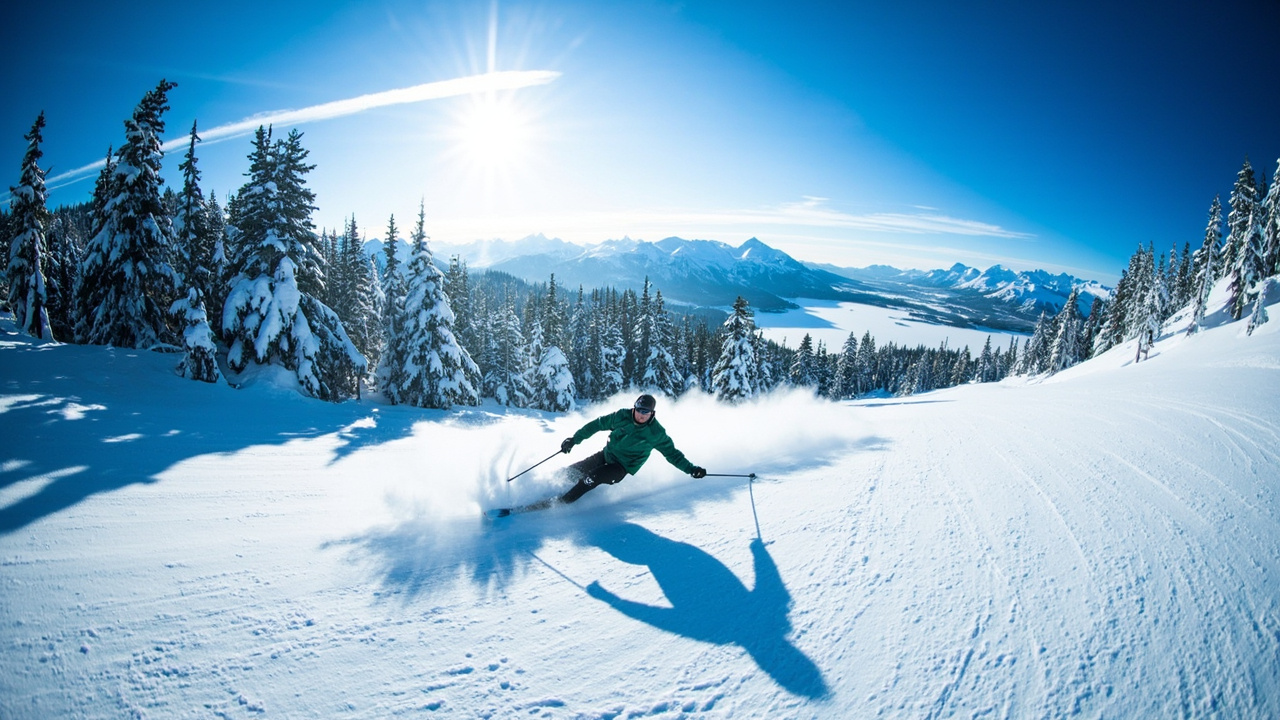
The cab driver from Harbin station looked at me in the rearview mirror and asked, in the kind of English that gets you 90% of the way there, “You ski? Yabuli?” I nodded. He laughed, shook his head, and said something to himself in Mandarin that I chose to interpret as admiration for my ambition. It was minus 22 degrees outside. The snow on the roadside wasn’t white so much as it was blue, that deep winter blue you only see when the sun is low and the cold is absolute. I had come to China’s most famous ski resort with a pair of rental boots that didn’t fit and a vague idea that this would be a good story. It was. It also turned out to be one of the most underrated ski destinations on the planet, if you know what you’re doing.
This guide is for first-time international visitors who want to ski in China without losing their minds (or their money) to the logistics. I’ve been to Yabuli four times over the past seven years, in every month from November to March. I’ve skied the Olympic runs and the back bowls, I’ve eaten the cafeteria food and the hotpot in town, and I’ve made enough mistakes that you don’t have to.
By the end of this, you’ll know exactly how to get there, where to stay, which runs are worth your money, and how to handle the parts of China that still confuse foreigners. You’ll also know why I keep going back.
Quick answer
Yabuli Ski Resort is China’s largest and most developed ski area, located about 200 km (124 miles) southeast of Harbin in Heilongjiang province. The 2025-26 season runs from mid-November to late March, with a day pass costing approximately $35-$50 USD (250-360 CNY) depending on the zone. China’s 240-hour visa-free transit policy (valid through December 2025, check for extensions) means many international visitors can enter without a visa if they’re transiting through major cities like Beijing or Harbin. The best way to get there is the high-speed train from Harbin to Yabuli West station (about 1 hour 20 minutes, $15 USD / 110 CNY), followed by a 20-minute taxi to the resort.
The Short Version
If you only have 90 seconds, here’s the deal. Yabuli is not Japan and it’s not the Alps. It’s a massive, somewhat chaotic, genuinely fun ski area with excellent snow (when it’s cold, which it always is) and infrastructure that ranges from world-class to “is that a rope tow?” The main draw is the sheer scale: over 50 runs across two main zones, with the Olympic courses at the Sun Mountain area being the real highlight. Don’t come for apres-ski culture or luxury dining. Come for cheap lift tickets, empty slopes on weekdays, and the experience of skiing in one of the coldest places on Earth. The cold is real. Bring every layer you own.
How I Picked These
I’ve skied at Yabuli in four separate seasons, spending a total of about three weeks on the mountain. I’ve stayed in the resort hotels and in the town below, eaten in the staff canteen and the tourist restaurants, and I’ve ridden the lifts with everyone from retired Chinese army officers to teenage snowboarders from Beijing. I also lived in Harbin for two winters, which gave me a local’s perspective on the logistics. The recommendations below come from what I actually did, not what the brochure says. I’ve included the things I’d tell a friend visiting for the first time, and I’ve left out the stuff that sounds impressive but isn’t worth your time.
Comparison Table
| Rank | Place | Best For | Approx Cost (USD) | Time Needed | When to Go |
|---|---|---|---|---|---|
| 1 | Sun Mountain Olympic Zone | Serious skiers, empty runs | $50/day (360 CNY) | Full day | Weekdays, Jan-Feb |
| 2 | Yabuli New Sports Land | Beginners, families | $35/day (250 CNY) | Half day | Morning, any day |
| 3 | The A3 Olympic Downhill | Advanced skiers, bragging rights | Included in Sun pass | 2-3 hours | First chair, 8:30 AM |
| 4 | Forest Resort Area | Intermediate cruising | $40/day (290 CNY) | Full day | Midweek |
| 5 | Night Skiing at Sun Mountain | Avoiding crowds, novelty | $25 (180 CNY) | 2-3 hours | 5-8 PM, Tue-Sat |
| 6 | Yabuli Town Hotpot | Post-ski recovery | $15-25/person (110-180 CNY) | 2 hours | Dinner, any day |
| 7 | Erlongshan Ski Area | Cheapest option, locals | $20/day (145 CNY) | Half day | Weekends (crowded) |
| 8 | The Cable Car to the Summit | Non-skiers, views | $20 round trip (145 CNY) | 2 hours | Clear days only |
| 9 | Snowmobile Tours | Non-skiers, adrenaline | $40/hour (290 CNY) | 1-2 hours | Afternoon |
| 10 | The Olympic Museum | History buffs, rest days | $5 (35 CNY) | 1 hour | Any day |
Sun Mountain Olympic Zone
The first time I skied at Sun Mountain, I got off the chairlift at the top and just stood there for a minute. Not because I was tired, but because the view was that good. The forested hills roll away in every direction, and on a clear day you can see the frozen lake below and the town huddled in the valley. It’s the kind of view that makes you forget your face is freezing.
This is the heart of Yabuli, the area that hosted the 1996 Asian Winter Games and the 2009 Winter Universiade. The Olympic downhill run (A3) drops 800 vertical meters with a gradient that will test your legs and your nerve. The snow here is consistently good because the resort invests in grooming, and the cold keeps it dry and light. On a weekday in January, I’ve had entire runs to myself.
The lift system is modern and fast. The main gondola takes about 15 minutes to reach the summit, and there are enough intermediate runs to keep you busy for days. This is where you should spend most of your time if you can ski parallel and stop when you want to.
Location: Yabuli Ski Resort, Shangzhi City, Harbin Prefecture, Heilongjiang Province Entry fee: Day pass $50 USD (360 CNY), includes all lifts at Sun Mountain Opening hours: 8:30 AM - 4:30 PM daily, night skiing 5-8 PM Tue-Sat Getting there: From Yabuli West high-speed rail station, take a taxi (about $8 USD / 60 CNY, 20 minutes) directly to the Sun Mountain ticket office. The resort shuttle bus runs hourly from town. When to visit: Weekdays in January and February for the best snow and fewest people. The slopes are genuinely empty on Tuesday and Wednesday mornings. Insider tips: Rent skis at the rental shop near the gondola base, not at your hotel. The hotel rentals are older and worse maintained. Bring your own helmet, as the rental ones are often too big. The cafeteria at the base has decent dumplings and noodles for about $5 USD (35 CNY). The lockers are small, so pack light. Download the WeChat app before you come, as the ticket office prefers mobile payment. I once left my gloves in the gondola and a lift attendant named Wang chased me down the slope to return them. He refused the tip I tried to give him, which is how I learned that in China, refusing a tip is a sign of respect.
Yabuli New Sports Land
If you’re a beginner or you’re traveling with people who are, this is where you want to be. The New Sports Land area has the gentlest slopes in the resort, with wide, forgiving runs that are perfect for learning. I watched a group of Chinese grandmothers take their first ski lesson here, shrieking with laughter as they slid down the bunny hill on rented skis that were older than I was.
The area is separate from Sun Mountain, with its own ticket system and lift infrastructure. It’s cheaper, less crowded, and the instructors are patient and experienced. Many of them speak at least basic English, which is more than you’ll find at some of the other areas.
The downside is that the terrain is limited. If you’re an intermediate or advanced skier, you’ll be bored within an hour. But for the first-timer in your group, this is the safest and most welcoming place to start.
Location: Yabuli Ski Resort, lower valley area, about 2 km from Sun Mountain Entry fee: Day pass $35 USD (250 CNY), includes beginner lifts and equipment rental Opening hours: 8:00 AM - 4:00 PM daily Getting there: Free shuttle bus from Sun Mountain base every 30 minutes, or a 5-minute taxi ride When to visit: Mornings are best, as the snow gets chopped up by afternoon. Weekends are busier with local families. Insider tips: The rental equipment here is newer than at Sun Mountain, so if you’re a beginner, rent here even if you’re skiing elsewhere. The instructors charge about $25 USD (180 CNY) per hour for private lessons, which is a fraction of what you’d pay in Europe or North America. The hot chocolate at the base cafe is surprisingly good. The lockers are free but you need to leave a deposit. Ask for a map at the ticket office, as the signage is mostly in Chinese. I took a lesson here with a woman named Chen who had been teaching for 15 years. She corrected my posture with one hand on my back and one on my shoulder, and by the end of the hour, I was skiing better than I had in years.
The A3 Olympic Downhill
This is the run that made Yabuli famous, and it deserves its reputation. The A3 course was built for the 1996 Asian Winter Games and later used for the 2009 Winter Universiade. It’s a proper World Cup-style downhill, with a vertical drop of 800 meters and sections that will have you questioning your life choices.
I skied it on a Tuesday morning in February, and I was the only person on the course. The groomer had been out at dawn, and the snow was so smooth it looked like glass. The first pitch is steep, then it flattens out into a series of rolling turns that build speed. By the time I reached the bottom, my legs were burning and I was grinning like an idiot.
This is not a run for beginners. If you can’t ski parallel on steep terrain, skip it. But if you can, this is the best skiing in China, and possibly the best value for money you’ll find anywhere in the world. The lift back up is fast, so you can do it again and again.
Location: Sun Mountain area, accessed from the main gondola Entry fee: Included in Sun Mountain day pass Opening hours: Same as Sun Mountain, 8:30 AM - 4:30 PM Getting there: Take the main gondola to the summit, then follow the signs to A3. The entrance is marked with a large sign and a map. When to visit: First thing in the morning, before the snow gets tracked out. The course is groomed nightly. Insider tips: The run is longer than it looks from the top, so pace yourself. There’s a rest hut halfway down with tea and snacks. The wind can be brutal at the top, so wear a face mask. If you’re not confident, ski the B-side run first, which is a slightly easier variation. The course is closed on windy days, so check the conditions board at the base. I met a retired army colonel from Beijing at the top of A3. He was 68 years old, skiing on equipment from the 1990s, and he beat me to the bottom. He just smiled and said, “Practice.”
Forest Resort Area
The Forest Resort Area is the quiet middle child of Yabuli. It doesn’t have the Olympic pedigree of Sun Mountain or the beginner-friendly slopes of New Sports Land, but it has something both of those lack: space. The runs here are wide, the trees are close, and the crowds are thin.
I spent a full day here in January, and I think I saw maybe 20 other skiers all day. The terrain is mostly intermediate, with a few advanced sections that weave through the forest. The snow quality is excellent, and the lack of traffic means you can find fresh powder days after a storm.
The infrastructure is a bit older than Sun Mountain, but it’s well maintained. The lifts are slower, but that just gives you more time to enjoy the views. There’s a small lodge at the base with a fireplace and a surprisingly good noodle shop.
Location: Forest Resort Area, about 3 km east of Sun Mountain Entry fee: Day pass $40 USD (290 CNY) Opening hours: 8:30 AM - 4:00 PM daily Getting there: Free shuttle from Sun Mountain, or a 10-minute taxi ride When to visit: Midweek for the emptiest slopes. The area is popular with local families on weekends. Insider tips: The tree runs here are not marked, so be careful if you venture off-piste. The lodge has a boot room where you can leave your gear for free. The noodle shop at the base serves a beef noodle soup that’s worth the trip on its own. The rental shop here is small, so bring your own gear if you can. The views of the forest from the top lift are the best in the resort. I got lost here once, took a wrong turn on an unmarked run, and ended up at a service road. A snowmobile driver named Liu gave me a ride back to the base, and we communicated entirely through gestures and laughter.
Night Skiing at Sun Mountain
Night skiing at Yabuli is a strange, wonderful experience. The lights come on at 5 PM, and the mountain transforms into a glowing blue-white landscape that feels like something out of a science fiction movie. The temperature drops fast, and by 7 PM it’s often below minus 25 degrees Celsius.
I went night skiing on a Tuesday in February, and I had the mountain almost entirely to myself. The silence was remarkable. The only sounds were the hiss of my skis on the snow and the hum of the lift. The lights create a kind of tunnel vision, where you can only see the run ahead of you and nothing else.
It’s not for everyone. The cold is intense, and the visibility can be tricky in the darker sections. But if you’re looking for a unique experience, this is it. The night pass is cheap, and the conditions are often better than during the day because the snow has had time to set.
Location: Sun Mountain area, lower slopes Entry fee: Night pass $25 USD (180 CNY) Opening hours: 5:00 PM - 8:00 PM, Tuesday through Saturday Getting there: Same entrance as the day skiing, just show your night pass at the ticket office When to visit: Tuesday or Wednesday nights for the emptiest slopes. Avoid Friday and Saturday nights, when locals come out. Insider tips: Wear every layer you own. The wind at night is brutal. The lights can create shadows that make it hard to read the terrain, so take it slow. The base lodge stays open during night skiing, and they serve a decent hotpot. Bring hand warmers, you’ll need them. The night skiing area is limited to the lower slopes, so don’t expect to do the full mountain. I met a group of university students from Harbin who were night skiing for the first time. They took a selfie with me at the top of the lift, and I still don’t know if they thought I was famous or just a strange foreigner.
Yabuli Town Hotpot
After a day on the mountain, there’s nothing better than sitting down to a hotpot in Yabuli town. The town is a 20-minute drive from the resort, and it’s where the locals actually live. The hotpot restaurants here are no-frills, but they’re authentic and they’re cheap.
I’ve eaten at half a dozen hotpot places in Yabuli, and my favorite is a small place called Laojie Hotpot, which translates to “Old Street Hotpot.” It’s a family-run operation with about 10 tables, and the owner, a woman named Zhang, remembers me every time I come back.
The hotpot here is the northeastern style, which means a lot of lamb, a lot of cabbage, and a lot of garlic. The broth is spicy and rich, and it warms you from the inside out. The whole meal costs about $15 USD (110 CNY) per person, including drinks. It’s the best value meal in the area.
Location: Yabuli town, about 20 minutes from the resort by taxi Entry fee: About $15-25 USD (110-180 CNY) per person for a full meal Opening hours: 11:00 AM - 10:00 PM daily Getting there: Taxi from the resort costs about $8 USD (60 CNY). The town is small, and the restaurant is on the main street. When to visit: Dinner, obviously. The place fills up on weekends, so go early. Insider tips: Ask for the lamb, it’s the specialty. The owner speaks no English, but the menu has pictures. If you don’t like spicy food, ask for “bu la” (not spicy). The local beer, Harbin, is cheap and goes well with the hotpot. Bring cash, as some of the smaller restaurants don’t take cards or mobile payment. I brought a group of American friends here once, and they were skeptical about the whole thing. Two hours later, they were fighting over the last piece of lamb.
Erlongshan Ski Area
Erlongshan is the budget option, and it’s where the locals go when they want to ski without paying resort prices. It’s a smaller, scrappier operation, with older lifts and a more basic infrastructure. But it’s also a window into how everyday Chinese people actually ski.
I went here on a Saturday in January, and it was packed with families, university students, and groups of friends. The atmosphere was festive and chaotic, with music blasting from speakers and people having picnics on the snow. It felt less like a ski resort and more like a winter carnival.
The skiing is basic. There are a few beginner runs and one intermediate run, and the lifts are slow. But if you’re on a budget or you want to experience something off the tourist trail, this is worth a visit. The rental equipment is old, so bring your own if you can.
Location: About 15 km from Yabuli town, near Erlongshan village Entry fee: Day pass $20 USD (145 CNY), including basic equipment rental Opening hours: 8:00 AM - 4:00 PM daily Getting there: Taxi from Yabuli town, about $10 USD (70 CNY). No shuttle service. When to visit: Weekdays for fewer crowds. Weekends are chaotic but fun. Insider tips: The food at the base is basic but cheap, with noodles and dumplings for about $3 USD (20 CNY). The rental equipment is old and poorly maintained, so check your bindings before you go. The locals are friendly and curious, and they’ll probably want to take photos with you. Bring cash, as there’s no card payment. The slopes are not groomed regularly, so expect some bumps. I watched a group of teenagers here attempt to build a snow ramp and immediately crash into each other. They laughed it off and went back to try again. It was the most fun I had all season.
The Cable Car to the Summit
If you don’t ski, or if you want a break from the slopes, the cable car to the summit of Sun Mountain is worth the ride. It takes about 15 minutes to reach the top, and the views are spectacular. On a clear day, you can see the frozen landscape stretching to the horizon, with the town below and the forested hills in every direction.
I took the cable car on a rest day in February, and I was the only non-skier on board. The other passengers were all carrying skis or snowboards, and they looked at me with a mix of confusion and pity. But when we reached the top, they all took out their phones to take photos of the same view I was photographing.
At the summit, there’s a small observation deck and a cafe that serves surprisingly decent coffee. It’s a good place to warm up and take in the scenery before heading back down.
Location: Sun Mountain base, next to the main gondola Entry fee: $20 USD (145 CNY) round trip Opening hours: 8:30 AM - 4:00 PM daily Getting there: The cable car station is right next to the main gondola station at Sun Mountain base When to visit: Clear days only. If it’s cloudy, you won’t see anything. Insider tips: The cafe at the top has free Wi-Fi, which is rare in this area. The observation deck is windy, so hold onto your hat. The cable car is slower than the gondola, so give yourself plenty of time. If you’re a skier, you can ride up and ski down for free with your lift pass. The staff at the top will take photos for you if you ask. I met a couple from Shanghai here who were on their honeymoon. They had never seen snow before, and they spent the entire ride up taking videos with their phones. Their joy was infectious.
Snowmobile Tours
Snowmobile tours are the best way to see the backcountry around Yabuli without skiing. The tours take you through the forest, across frozen lakes, and up to viewpoints that you can’t reach any other way. It’s a completely different perspective on the landscape.
I did a two-hour tour in January, and it was one of the most exhilarating experiences I’ve had in China. The snowmobile was fast, the terrain was varied, and the guide, a man named Zhao, knew every trail in the area. We stopped at a viewpoint overlooking the frozen lake, and he pulled out a thermos of hot tea and some dried fruit. We sat there in the silence, watching the sun sink behind the hills.
The tours are safe and well organized, with helmets and instructions provided. They’re expensive by Chinese standards, but still cheap compared to similar tours in Europe or North America.
Location: Tours depart from the Sun Mountain base area Entry fee: $40 USD (290 CNY) per hour, including guide and equipment Opening hours: 9:00 AM - 4:00 PM daily Getting there: Meet at the snowmobile tour office, next to the main gondola station When to visit: Afternoon tours are best for the light. Morning tours are colder. Insider tips: Dress warmer than you think you need to. The wind chill on a snowmobile is intense. The tours can be customized, so ask for the longer route if you want more adventure. The guides speak limited English, but they’re patient and use gestures. Bring a GoPro or a phone with a strap, you’ll want to film this. I tipped my guide Zhao at the end of the tour, and he refused, saying, “You are my guest.” I’ve learned that in China, refusing a tip is a sign of respect, and I’ve stopped trying.
The Olympic Museum
The Olympic Museum at Yabuli is a small, slightly dusty tribute to the resort’s history as a host of the 1996 Asian Winter Games and the 2009 Winter Universiade. It’s not a world-class museum, but it’s a fascinating look at how China developed its winter sports infrastructure.
I spent an hour here on a rest day, wandering through exhibits of old skis, photographs, and medals. The most interesting part was a section on the construction of the Olympic runs, with photos of the mountain before and after the development. It’s a reminder of how much work went into creating this resort.
The museum is quiet and empty, which is part of its charm. It’s a place to slow down and appreciate the history of a resort that’s often seen as just a ski area.
Location: In the Sun Mountain base village, near the main hotel Entry fee: $5 USD (35 CNY) Opening hours: 9:00 AM - 5:00 PM daily Getting there: Walk from the Sun Mountain base, it’s a 5-minute walk past the hotels When to visit: Any day, it’s indoors and warm Insider tips: The exhibits are labeled in Chinese and English, so you can actually read them. The museum is heated, which makes it a good place to warm up. The gift shop has some interesting souvenirs, including pins and postcards. The staff are friendly and will let you take photos. It’s a good place to bring kids on a rest day. I met a retired ski coach here who had worked at the 1996 Asian Winter Games. He told me stories about the construction of the runs and the challenges of building a ski resort in the middle of the forest. It was the best hour I spent at Yabuli.
FAQ summary
Yabuli Ski Resort is China’s largest ski area, located about 200 km from Harbin in Heilongjiang Province. The 2025-26 season runs from mid-November to late March, with day passes costing approximately $35-$50 USD (250-360 CNY) depending on the zone. The best way to get there is the high-speed train from Harbin to Yabuli West station (about 1 hour 20 minutes, $15 USD / 110 CNY), followed by a 20-minute taxi. China’s 240-hour visa-free transit policy allows many international visitors to enter without a visa when transiting through major cities, but rules change frequently, so check with the Chinese embassy or consulate before booking. WeChat Pay and Alipay are widely accepted, but international visitors should set up these apps before arriving in China. English is not widely spoken at the resort, so a translation app is essential.
FAQ
Q: Do I need a visa to visit Yabuli Ski Resort? A: If you’re transiting through a major Chinese city like Beijing or Harbin, you may be eligible for the 240-hour visa-free transit policy, which allows stays of up to 10 days. This policy is valid through December 2025, but rules change frequently, so check with the Chinese embassy or consulate before booking. If you’re staying longer or entering through a smaller city, you’ll need a standard tourist visa.
Q: How do I get from Harbin to Yabuli Ski Resort? A: Take the high-speed train from Harbin station to Yabuli West station. The journey takes about 1 hour 20 minutes and costs approximately $15 USD (110 CNY). From Yabuli West, take a taxi to the resort, which costs about $8 USD (60 CNY) and takes 20 minutes. The train station is well connected to Harbin’s main transport hubs.
Q: What is the best time of year to visit Yabuli? A: The ski season runs from mid-November to late March, with the best snow typically in January and February. The coldest month is January, with temperatures often dropping below minus 20 degrees Celsius. Weekdays are significantly less crowded than weekends, especially Tuesday and Wednesday.
Q: How much does it cost to ski at Yabuli? A: A day pass at the main Sun Mountain area costs approximately $50 USD (360 CNY), while the beginner-friendly New Sports Land area costs about $35 USD (250 CNY). Equipment rental is extra, around $15-25 USD (110-180 CNY) per day. Night skiing passes are about $25 USD (180 CNY).
Q: Do I need to set up WeChat Pay or Alipay before I arrive? A: Yes, it’s highly recommended. Most places at Yabuli, including the ticket office, rental shops, and restaurants, prefer mobile payment. Set up WeChat Pay or Alipay before you arrive in China, as the verification process requires a foreign passport and can take a few days. Cash is accepted in some places, but it’s becoming less common.
Q: Is English spoken at Yabuli Ski Resort? A: Very little. The resort staff speak basic English at best, and most signage is in Chinese. Download a translation app like Google Translate (which works offline with downloaded language packs) or Pleco before you arrive. The instructors at the ski school have some English, but don’t expect fluent communication.
Q: Do I need a VPN for my phone in China? A: Yes. Many international websites and apps, including Google, Facebook, Instagram, and WhatsApp, are blocked in China. Set up a VPN on your phone before you arrive, and make sure it works. You’ll also need a Chinese SIM card or an international roaming plan, as many local networks block foreign SIM cards.
The Honest Wrap-up
Yabuli is not for everyone. If you’re looking for the polished luxury of the Alps or the refined culture of Japanese ski resorts, you’ll be disappointed. But if you’re looking for an adventure, a genuinely unique experience, and some of the best-value skiing in the world, Yabuli delivers. The cold is brutal, the infrastructure is inconsistent, and the language barrier is real. But the skiing is excellent, the locals are welcoming, and the sense of discovery is unmatched. I’ve been back four times, and I’ll go again. My advice to a friend: take the train, bring every layer you own, and go on a Tuesday. You won’t regret it.
More guides you may like
Top 10 Bridges in China: The Complete 2026 Guide
China's bridges are engineering marvels spanning mountains, rivers, and seas. Here are 10 of the most spectacular, from ancient stone to modern steel.
8 min read

Top 10 Buddhist Sites in China: The Complete 2026 Guide
From the Leshan Giant Buddha to the Dunhuang Caves, these 10 Buddhist sites represent 2,000 years of China's spiritual heritage.
9 min read
Top 10 Day Trips from Beijing You Shouldn't Miss: The Complete 2026 Guide
Beijing is packed with history, but some of China's best experiences are just a few hours away. Here are 10 day trips that will transform your visit.
9 min read
Top 10 Hidden Gems in China Off the Beaten Path: The Complete 2026 Guide
Beyond the Great Wall and Terracotta Warriors, China has incredible hidden destinations few tourists ever reach. Here are 10 underrated gems worth the detour.
9 min read
Top 10 Markets and Shopping Streets in China: The Complete 2026 Guide
From Shanghai's Bund to Beijing's Silk Street - 10 markets where foreigners can haggle, explore, and bring home authentic Chinese goods.
9 min read
Top 10 Museums in China You Shouldn't Miss: The Complete 2026 Guide
China's museums span 5,000 years of civilization. These 10 - from the Palace Museum to Xi'an's terracotta gallery - are unmissable for culture lovers.
9 min read