
Huanglong Travertine Pools: The Complete 2026 Guide
TODO: Extract from article (100-160 chars)
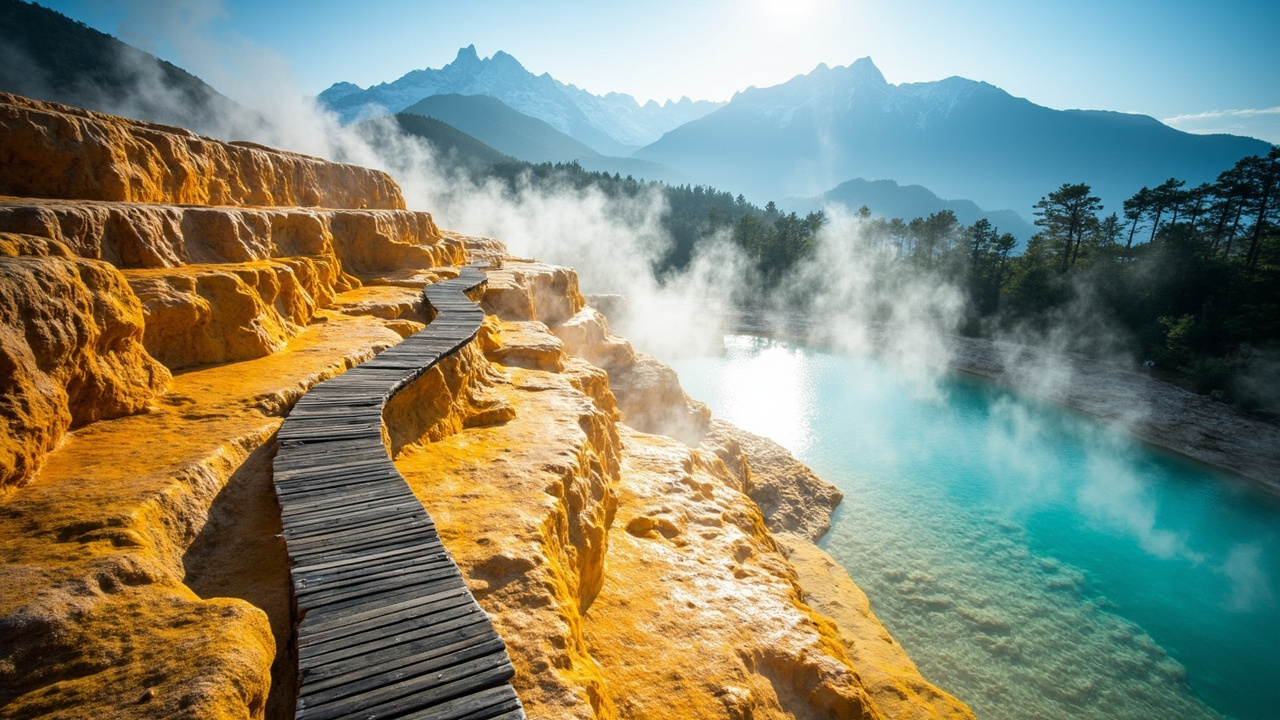
The oxygen hit me like a wall the moment I stepped off the cable car. At 3,900 meters, the air is thin enough that every step feels like wading through water. I watched a German tourist fumble with his portable oxygen canister while a group of Tibetan women in colorful headscarves walked past him carrying baskets of supplies, barely winded. The boardwalk stretched ahead, snaking through a valley that looked like a giant had spilled a palette of turquoise and gold paint across the mountainside. I’d come to see the travertine pools, but I wasn’t prepared for how surreal they’d feel in person.
Huanglong is one of those places that photographs well but somehow exceeds the photos. The calcium carbonate deposits have built up over thousands of years into terraced pools that cascade down the valley like frozen waterfalls, each one a different shade of blue, green, or yellow depending on the mineral content and the angle of the light. It’s a UNESCO World Heritage site, and it’s the kind of place that makes you understand why the Chinese call it “the fairy land on earth.”
This guide covers everything you need to know before you go: how to get there, what it costs, when to visit, how to avoid the crowds, and the mistakes I made so you don’t have to. I’ve been to Huanglong twice, once in October and once in June, and I’ve talked to enough travelers and local guides to give you the real picture.
Quick answer
Huanglong Travertine Pools are a UNESCO-listed series of colorful mineral terraces in northern Sichuan, China, best visited between June and October. A day trip from Chengdu costs roughly $200-300 USD (CNY 1,400-2,100) per person including flights, entry fees, and transport, and you’ll need to prepare for high altitude (up to 3,900m) with oxygen canisters available for purchase on site. The site is open year-round, but the pools freeze in winter and the most spectacular colors appear from late spring through autumn.
The Short Version
If you only have 90 seconds, here’s the deal: Huanglong is worth the hassle, but it’s not an easy day trip. Fly from Chengdu to Jiuzhai Huanglong Airport (the highest civil airport in China at 3,448m), take a shuttle to the park, and budget at least 4-5 hours inside. Go in October for the clearest skies and most vivid colors. Skip the cable car on the way down, walk the full boardwalk loop, and buy oxygen before you need it. The crowds are manageable on weekdays, and the views genuinely live up to the hype.
How I Picked These
I’ve traveled through Sichuan multiple times over the past seven years, and I’ve made the Chengdu-to-Jiuzhai-Huanglong circuit twice. The first time, I went in October with a group of friends and made every rookie mistake: flew in on a weekend, skipped the oxygen, tried to rush the boardwalk. The second time, I went solo in June and took my time. I’ve also spent hours talking to the shuttle drivers, the women selling oxygen canisters, and a retired geology professor from Chengdu who was photographing the pools for the third time. This guide combines my own experiences with what I learned from them, plus practical details I’ve confirmed through recent visits and local sources.
Comparison Table
| Rank | Place | Best For | Approx Cost (USD) | Time Needed | When to Go |
|---|---|---|---|---|---|
| 1 | Huanglong Main Valley | First-timers, classic views | $30 entry + $15 cable car | 4-5 hours | June-Oct |
| 2 | Muni Valley (Mou Ni Gou) | Escaping crowds | $20 entry | 3-4 hours | June-Oct |
| 3 | Xuebaoding Peak | Hikers, alpine views | Free (permits needed) | Full day | July-Sept |
| 4 | Jiuzhaigou Valley | Bigger, more famous neighbor | $35 entry + $25 shuttle | Full day | Sept-Oct |
| 5 | Danyun Gorge | Short hikes, waterfalls | $15 entry | 2-3 hours | Year-round |
| 6 | Huanglong Temple | History, architecture | Included in park entry | 30-45 min | Year-round |
| 7 | Red Star Rock | Photography, sunrise | Free (inside park) | 1-2 hours | Dawn |
| 8 | Zhaga Waterfall | Easy access, dramatic views | $10 entry | 1-2 hours | June-Oct |
| 9 | Songpan Ancient Town | Culture, food, acclimatization | Free | Half day | Year-round |
| 10 | Ganhaizi Lake | Alpine lake, quiet trails | Free (inside park) | 1-2 hours | June-Sept |
Huanglong Main Valley —The Big One, and Yes, It’s Worth It
I remember standing at the top of the boardwalk and thinking, “This can’t be real.” The pools stretched down the valley in a series of stepped terraces, each one a different shade of turquoise, some so clear you could see the mineral deposits on the bottom like white coral. The air smelled of pine and damp stone, and the only sound was the distant rush of water and the shuffle of other tourists’ feet on the wooden planks.
The main valley is the reason everyone comes here, and it doesn’t disappoint. The Golden Shine Pond at the top is the most famous spot, a massive terrace of golden-hued pools that looks like something from another planet. The full boardwalk loop is about 4 kilometers, and it takes most people 3-4 hours to walk it properly. The colors change with the light, so the same pool can look completely different at 9am versus 2pm.
Location: Huanglong Scenic Area, Songpan County, Aba Prefecture, Sichuan Province
Entry fee: $30 USD (CNY 210) in peak season, $20 USD (CNY 140) in winter. Cable car is an additional $15 USD (CNY 110) one-way.
Opening hours: 8:00am-5:00pm (peak season), 9:00am-4:00pm (winter). The park is open year-round, but the boardwalk can be icy in winter.
How to get there: Fly from Chengdu to Jiuzhai Huanglong Airport (approx. 45 minutes), then take a shuttle or taxi to the park entrance (about 1 hour). Alternatively, take a bus from Chengdu’s Chadianzi Bus Station (8-10 hours, roughly $25 USD / CNY 180).
When to visit: October is the sweet spot - clear skies, vivid colors, and the autumn foliage adds another layer of beauty. Weekdays are significantly less crowded than weekends. Go early, right when the gates open, to beat the tour groups.
Insider tips:
- Buy oxygen canisters ($3-5 USD / CNY 20-35) at the entrance before you start. The ones inside the park cost double.
- Walk the boardwalk downhill instead of taking the cable car down. You’ll see more and it’s easier on your knees.
- Bring your own snacks. The food options inside are limited and overpriced.
- The altitude is no joke. Take it slow, drink water, and don’t try to keep up with the locals.
- If you feel dizzy or nauseous, sit down and rest. Don’t push through it.
I met a retired couple from Shanghai who were on their third visit. The husband told me, “Every time I come, the colors are different. It’s like the mountain changes its clothes.” He wasn’t wrong.
Muni Valley —The Crowd-Free Alternative
The first time I went to Huanglong, I didn’t even know Muni Valley existed. It wasn’t until my second trip, when my shuttle driver mentioned it casually, that I discovered this quieter, less-visited section of the same scenic area. It’s not as dramatic as the main valley, but it’s a completely different experience.
Muni Valley is a series of smaller travertine pools, waterfalls, and forest trails that wind through a narrower canyon. The pools here are smaller and less colorful, but you’ll often have the place almost to yourself, especially on weekday mornings. There’s a sense of peace here that the main valley can’t offer, and the sound of water echoing off the canyon walls is genuinely meditative.
Location: Muni Valley (Mou Ni Gou), Huanglong Scenic Area, about 15 minutes by shuttle from the main entrance
Entry fee: $20 USD (CNY 140), or included in the combined Huanglong ticket if you buy the full package
Opening hours: Same as the main valley, 8:00am-5:00pm
How to get there: Take the shuttle from the main Huanglong entrance. It’s a separate gate, so make sure you tell the driver you want Muni Valley, not the main valley.
When to visit: June-September for the best water flow. The pools can dry up partially in late autumn.
Insider tips:
- The shuttle from the main entrance runs every 30 minutes. Don’t miss the last one back at 4:30pm.
- Wear sturdy shoes. The trails here are less maintained than the main boardwalk.
- Bring insect repellent in summer. The forest sections have mosquitoes.
- If you’re short on time, skip this and do the main valley properly instead.
I got lost here for an hour trying to find the exit trail. A local herder with a flock of goats pointed me in the right direction, laughing at my confused gestures. I tipped him with a pack of cigarettes I’d bought for emergencies.
Xuebaoding Peak —For the Hikers Who Want More
If the boardwalk crowds at Huanglong feel too tame, Xuebaoding Peak is the answer. This is the highest peak in the Minshan mountain range, standing at 5,588 meters, and it’s visible from the Huanglong valley on clear days. The peak itself isn’t a casual day trip, but the trekking routes around it offer some of the most spectacular alpine scenery in the region.
I attempted the hike to the base camp on my second visit and made it about halfway before the altitude got to me. The views were worth every step: glaciers, rocky ridgelines, and valleys that looked like they’d been untouched for centuries. The trail starts from the far end of the main valley boardwalk and climbs steeply through forest before opening up into alpine meadows.
Location: Xuebaoding Peak, northeast of Huanglong Scenic Area, about 30 minutes by car from the park entrance
Entry fee: Free, but you need a permit from the local forestry office (available at the Huanglong visitor center)
Opening hours: No official hours. Day hikes only, and you should start before 8am.
How to get there: Hire a local driver from Songpan or the Huanglong area. The trailhead is at the end of a rough dirt road that requires a 4x4.
When to visit: July-September, when the snow has melted enough to make the trails passable. The weather can change rapidly, so check conditions before you go.
Insider tips:
- Acclimatize for at least 2-3 days before attempting this hike. Going from sea level to 4,000+ meters in one day is dangerous.
- Hire a local guide. The trails aren’t well marked and getting lost here is a real risk.
- Bring warm layers even in summer. It can snow at any time above 4,000 meters.
- Diamox (acetazolamide) helps with altitude sickness, but get it prescribed before you leave home.
I turned back at 4,200 meters with a splitting headache and spent the rest of the day lying in my hotel room in Songpan, cursing my own ambition. The next morning, I felt fine and went back to the main valley, where the boardwalk suddenly felt like a luxury.
Jiuzhaigou Valley —The Famous Neighbor That’s Worth the Hype
You can’t talk about Huanglong without mentioning Jiuzhaigou, the larger, more famous scenic area about two hours away by road. I’ve been to both, and here’s my honest take: Jiuzhaigou is more spectacular overall, but Huanglong has a more concentrated, surreal beauty. If you have time for only one, pick Jiuzhaigou. If you have time for both, do Jiuzhaigou first, then Huanglong, and save the best for last.
Jiuzhaigou is a massive valley system with dozens of lakes, waterfalls, and forests, all connected by a network of shuttle buses and boardwalks. The water here is so clear and blue that it looks almost artificial. The Five Flower Lake and the Nuorilang Waterfall are the highlights, but the whole place is a visual overload in the best possible way.
Location: Jiuzhaigou County, Aba Prefecture, Sichuan Province, about 120 km from Huanglong
Entry fee: $35 USD (CNY 245) plus $25 USD (CNY 180) for the mandatory shuttle bus
Opening hours: 7:30am-5:00pm (peak season), 8:30am-4:00pm (winter)
How to get there: Shuttle buses run between Huanglong and Jiuzhaigou during peak season. Alternatively, hire a private driver for about $80-100 USD (CNY 560-700) for the day.
When to visit: Late September to mid-October for autumn colors. The park is at its most crowded during Chinese National Day (October 1-7), so avoid that week at all costs.
Insider tips:
- The shuttle buses only stop at designated points. Plan your route in advance so you don’t miss the sections you want to see.
- Bring a packed lunch. The food inside is mediocre and expensive.
- The park is huge. You can’t see everything in one day, so prioritize the upper sections first.
- Wear layers. The temperature can swing 15 degrees Celsius between morning and afternoon.
I spent a full day here and still felt like I’d only scratched the surface. A tour guide I chatted with told me she’d been working in the park for eight years and still discovered new spots every season.
Danyun Gorge —The Short Hike With Big Payoff
Danyun Gorge is the kind of place you stumble upon by accident and then tell everyone about. It’s a narrow canyon about 20 minutes from the Huanglong main entrance, with a series of waterfalls, pools, and a short hiking trail that takes about two hours to complete. It’s not as famous as the main valley, which is exactly why I like it.
The trail follows a stream through the gorge, crossing back and forth over small bridges and passing through patches of forest that feel completely untouched. The main waterfall at the end is about 60 meters tall, and on sunny days, you can see rainbows in the spray. It’s a peaceful, manageable hike that doesn’t require the altitude preparation that the main valley demands.
Location: Danyun Gorge, about 20 minutes from the Huanglong main entrance by car
Entry fee: $15 USD (CNY 105)
Opening hours: 8:00am-5:00pm
How to get there: Hire a local driver from Songpan or the Huanglong area. The gorge entrance is on the road between the Huanglong airport and the main scenic area.
When to visit: Year-round, but the waterfalls are most impressive from June to October.
Insider tips:
- The trail is well-maintained but can be slippery after rain. Wear shoes with good grip.
- Bring cash. The ticket office doesn’t always accept mobile payments.
- Combine this with a visit to the main valley in the same day if you’re short on time.
- The local village near the gorge entrance sells excellent yak butter tea. Try it.
I stopped at the village on my way out and ended up chatting with an old woman who insisted I try her homemade yogurt. It was tart and thick, nothing like anything I’d had before, and she refused to let me pay.
Huanglong Temple —History at the Top of the World
Perched at the top of the main valley, Huanglong Temple is the oldest structure in the scenic area, dating back to the Ming Dynasty. It’s a small but beautiful complex of halls and courtyards dedicated to the Yellow Dragon, the deity who, according to local legend, created the travertine pools when he descended from the heavens.
The temple is worth a visit for the history alone, but it also offers one of the best views of the valley below. From the temple courtyard, you can see the entire cascade of golden pools stretching down the mountainside, with the snow-capped peaks of the Minshan range in the background. It’s the kind of view that makes you want to sit down and just stare for a while.
Location: Top of the main valley boardwalk, Huanglong Scenic Area
Entry fee: Included in the main park entry ticket
Opening hours: Same as the park, 8:00am-5:00pm
How to get there: Walk to the end of the main boardwalk. It’s the final stop before the trail continues toward Xuebaoding Peak.
When to visit: Any time the park is open, but the light is best in the morning when the temple is backlit by the rising sun.
Insider tips:
- The temple has a small gift shop where you can buy prayer flags and incense. It’s a good place to support the local community.
- The monks here are friendly and happy to chat, but they speak limited English. Bring a translation app.
- Don’t miss the small side courtyard with the ancient cypress tree. It’s said to be over 600 years old.
- The temple is a working religious site, so dress modestly and be respectful.
A monk at the temple gave me a piece of dried fruit and gestured for me to sit with him for a while. We didn’t speak the same language, but we shared a moment of quiet appreciation for the view.
Red Star Rock —The Best Sunrise Spot Nobody Tells You About
I almost missed this one. It wasn’t until my second visit that a photographer I met at a guesthouse in Songpan told me about Red Star Rock, a viewpoint above the main valley that offers the best sunrise views in the entire area. He wasn’t wrong.
Red Star Rock is a large boulder formation on the eastern rim of the valley, reachable by a short but steep trail that branches off the main boardwalk about halfway up. It’s not marked on most maps, and the trail is easy to miss if you’re not looking for it. But the view from the top, especially at dawn, is worth the effort. The morning light hits the pools at an angle that makes them glow, and the mist that settles in the valley overnight creates a dreamlike atmosphere.
Location: Eastern rim of the main valley, Huanglong Scenic Area
Entry fee: Free, but you need a valid park entry ticket
Opening hours: The park gates open at 8:00am, but you can arrange early entry with the park office for sunrise visits.
How to get there: From the main boardwalk, look for the unmarked trail on the eastern side, about halfway between the entrance and the temple. It’s a 20-30 minute climb.
When to visit: Dawn, ideally on a clear morning. The light is best within the first hour after sunrise.
Insider tips:
- Arrange early entry the day before. The park office can usually accommodate sunrise visits if you ask.
- Bring a headlamp for the hike up. It’s dark before sunrise.
- The trail is steep and rocky. Take your time and watch your footing.
- This is a photography spot, not a casual viewing spot. Bring your camera and a tripod if you have one.
I got up at 5am for this and was rewarded with one of the most beautiful sunrises I’ve ever seen. The pools turned from deep blue to gold as the sun rose over the mountains, and I had the whole viewpoint to myself.
Zhaga Waterfall —The Easy Win
If you’re short on time or energy, Zhaga Waterfall is the perfect quick stop. It’s located on the road between the Huanglong airport and the main scenic area, making it an easy addition to any itinerary. The waterfall is about 90 meters wide and 40 meters tall, and it’s one of the most dramatic in the region.
The viewing platform is just a short walk from the parking lot, so you don’t need to do any serious hiking to see it. The spray from the waterfall creates a constant mist that catches the light and creates rainbows on sunny days. It’s a great place to stretch your legs after a flight or before heading into the main scenic area.
Location: On the road between Jiuzhai Huanglong Airport and the Huanglong main entrance
Entry fee: $10 USD (CNY 70)
Opening hours: 8:00am-6:00pm
How to get there: It’s on the main road, so any shuttle or taxi between the airport and the scenic area will pass it. Ask the driver to stop.
When to visit: June-October when the water flow is strongest. The waterfall can be reduced to a trickle in winter.
Insider tips:
- You only need 30-45 minutes here. Don’t plan a half-day.
- The mist can get you wet, so bring a rain jacket or waterproof camera cover.
- There’s a small snack stand near the parking lot that sells decent noodles.
- The best photos are from the lower viewing platform, not the main one.
I stopped here on my way to the airport and ended up spending an hour just watching the water. It was the perfect way to end my trip.
Songpan Ancient Town —The Base Camp You’ll Actually Enjoy
Most people treat Songpan as just a place to sleep before or after visiting Huanglong, but that’s a mistake. This ancient town, which dates back over 2,000 years, is a destination in its own right. It’s a walled town with narrow streets, traditional Tibetan and Qiang architecture, and a relaxed atmosphere that’s a welcome contrast to the tourist crowds at the scenic areas.
I spent two nights here on my second trip and wished I’d stayed longer. The town has a great food scene, with Tibetan restaurants serving yak meat dishes, momos (dumplings), and butter tea. There’s also a lively market where you can buy local handicrafts, and the town walls offer excellent views of the surrounding mountains.
Location: Songpan County, Aba Prefecture, about 30 minutes from the Huanglong main entrance
Entry fee: Free
Opening hours: Open 24/7, but most shops and restaurants close by 10pm
How to get there: Shuttle buses run between Songpan and the Huanglong scenic area throughout the day. The town is also on the main bus route from Chengdu.
When to visit: Year-round, but the town is most atmospheric in the evening when the lanterns are lit and the streets are quiet.
Insider tips:
- Stay at one of the traditional courtyard guesthouses in the old town. They’re more atmospheric than the modern hotels outside the walls.
- Try the yak hotpot at one of the local restaurants. It’s a Sichuan specialty that’s perfect for cold mountain evenings.
- The town has several small temples that are worth a quick visit. They’re less crowded than the ones in the scenic areas.
- If you need to acclimatize before visiting Huanglong, spend a night here. The altitude is 2,850 meters, which is manageable for most people.
I had dinner at a small Tibetan restaurant in Songpan and ended up in a long conversation with the owner, who told me about growing up in the region and how much it had changed in the past few decades. She gave me a free cup of butter tea and refused to let me leave until I’d finished it.
Ganhaizi Lake —The Quiet Alpine Escape
Ganhaizi Lake is one of the lesser-known spots in the Huanglong area, and that’s exactly why I like it. It’s a small alpine lake about 20 minutes from the main scenic area, surrounded by forest and meadows. There’s a short walking trail around the lake that takes about an hour, and it’s a peaceful place to escape the crowds.
The lake is particularly beautiful in June and July, when the meadows are covered in wildflowers. The water is crystal clear, and on calm days, you can see the mountains reflected perfectly in its surface. It’s not as dramatic as the travertine pools, but it’s a lovely place to spend a quiet afternoon.
Location: About 20 minutes from the Huanglong main entrance, on the road toward Songpan
Entry fee: Free (included in the Huanglong scenic area ticket)
Opening hours: No official hours, but it’s best visited during daylight
How to get there: Hire a local driver or take the shuttle from the main scenic area. The lake is on the main road, so it’s easy to find.
When to visit: June-September for the wildflowers and clearest water.
Insider tips:
- The trail around the lake is flat and easy, suitable for all fitness levels.
- Bring a picnic. There are no food options at the lake.
- The lake is a popular spot for local families on weekends. Visit on a weekday for more solitude.
- If you’re a birdwatcher, bring binoculars. The area has a variety of alpine bird species.
I sat by the lake for an hour, watching a family of ducks paddle across the water. A local woman collecting herbs nearby smiled at me and offered me some wild mint she’d gathered. It was a small moment, but it’s one of my favorite memories from the region.
FAQ summary
Huanglong Travertine Pools are located in Sichuan Province, China, at altitudes between 3,100 and 3,900 meters, and are best visited from June to October when the pools are unfrozen and most colorful. The entry fee is approximately $30 USD (CNY 210) in peak season, with an optional cable car costing an additional $15 USD (CNY 110). The most practical way to visit is to fly from Chengdu to Jiuzhai Huanglong Airport, then take a shuttle to the park entrance. Visitors should prepare for high altitude by purchasing oxygen canisters at the entrance and taking the walk slowly. The site is open year-round, but winter visits offer limited views as the pools freeze.
FAQ
Q: Do I need a special permit to visit Huanglong? A: No, you just need a valid park entry ticket, which costs about $30 USD (CNY 210) in peak season. However, if you plan to hike Xuebaoding Peak, you’ll need a separate permit from the local forestry office, available at the Huanglong visitor center.
Q: How do I get to Huanglong from Chengdu? A: The fastest way is to fly from Chengdu to Jiuzhai Huanglong Airport (about 45 minutes, roughly $100-150 USD / CNY 700-1,050), then take a shuttle to the park entrance (about 1 hour). Alternatively, you can take a bus from Chengdu’s Chadianzi Bus Station, which takes 8-10 hours and costs about $25 USD (CNY 180).
Q: Is altitude sickness a real concern at Huanglong? A: Yes, the park reaches 3,900 meters, and altitude sickness is common. Buy oxygen canisters at the entrance ($3-5 USD / CNY 20-35), walk slowly, drink plenty of water, and spend a night in Songpan (2,850m) before visiting if possible.
Q: What’s the best time of year to visit Huanglong? A: October is the best month for clear skies and vivid pool colors. June through September is also good, but you may encounter more rain. The pools freeze in winter, so the colors are less visible, though the snow-covered landscape has its own beauty.
Q: Do I need to book tickets in advance? A: During peak season (July-October) and Chinese holidays, yes. You can book through the official Huanglong WeChat mini-program or through your hotel. Off-peak, you can usually buy tickets at the entrance, but booking ahead is safer.
Q: Is English widely spoken at Huanglong? A: Limited. The park has some English signage, but most staff speak only Chinese. Download a translation app like Pleco or Google Translate before you go, and have your hotel write down key phrases in Chinese for you.
Q: Do I need a VPN for my phone in China? A: Yes, if you want to access Google, WhatsApp, Instagram, or Facebook. Purchase a VPN before you arrive in China, and consider getting a local SIM card from China Mobile or China Unicom for data coverage in the region.
The Honest Wrap-up
Huanglong is not an easy destination. It requires flights, altitude preparation, and a tolerance for crowds. But it’s also one of the most beautiful places I’ve ever been, and I’ve been to a lot of places. The travertine pools are genuinely otherworldly, and the surrounding mountains add a grandeur that photos can’t capture.
This guide is for travelers who want to see one of China’s most spectacular natural wonders without getting overwhelmed by logistics. It’s not for people who want a relaxing vacation, or who can’t handle high altitudes, or who expect English to be spoken everywhere. If you can handle a little discomfort and a lot of walking, you’ll be rewarded with memories that last a lifetime.
My final advice: go in October, fly in and out of Jiuzhai Huanglong Airport, spend a night in Songpan to acclimatize, and take the boardwalk slowly. And when you’re standing at the top of the valley, looking down at those golden pools, take a moment to just breathe. You’ll understand why people call this place a fairy land.
More guides you may like
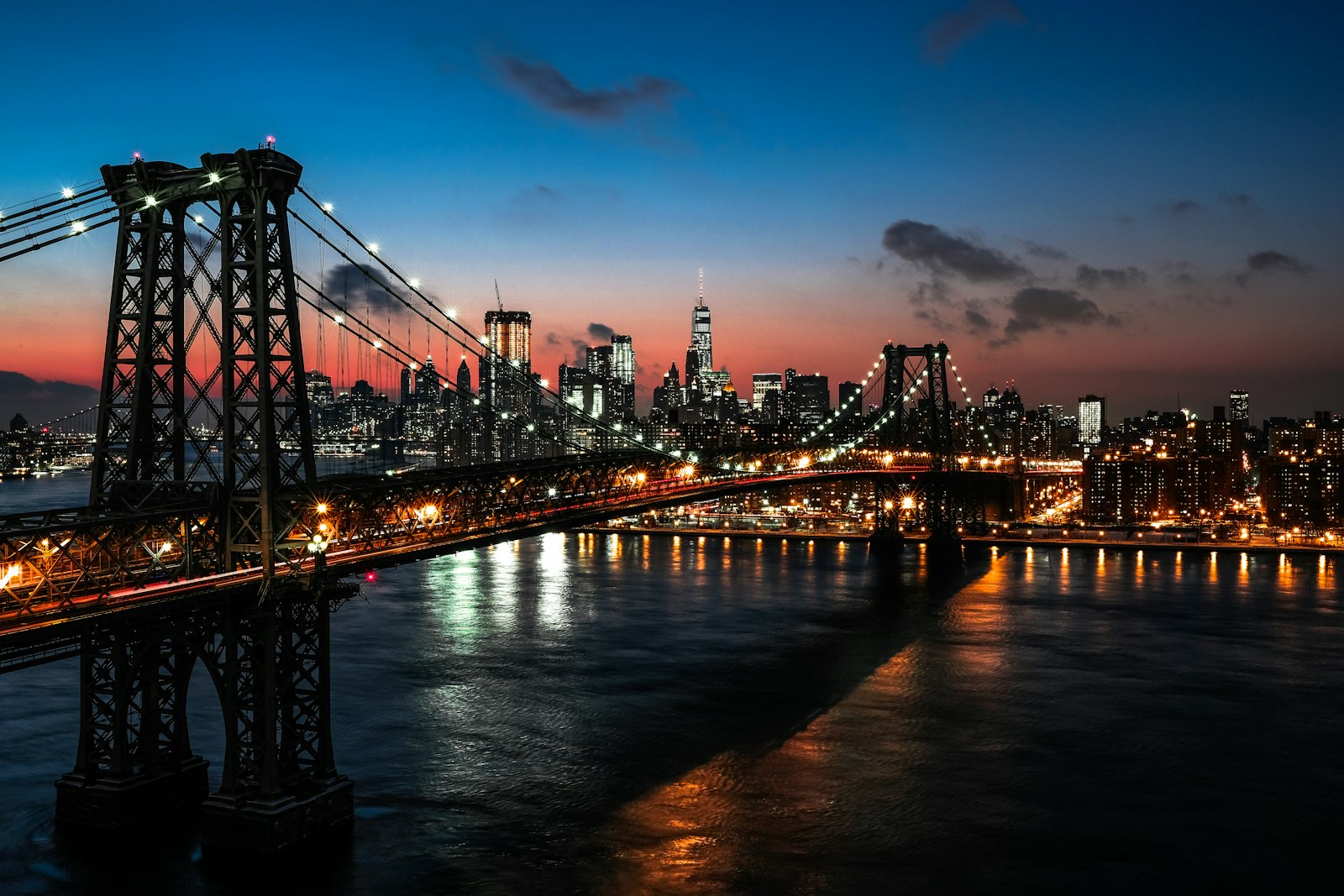
Top 10 Bridges in China: The Complete 2026 Guide
China's bridges are engineering marvels spanning mountains, rivers, and seas. Here are 10 of the most spectacular, from ancient stone to modern steel.
8 min read

Top 10 Buddhist Sites in China: The Complete 2026 Guide
From the Leshan Giant Buddha to the Dunhuang Caves, these 10 Buddhist sites represent 2,000 years of China's spiritual heritage.
9 min read
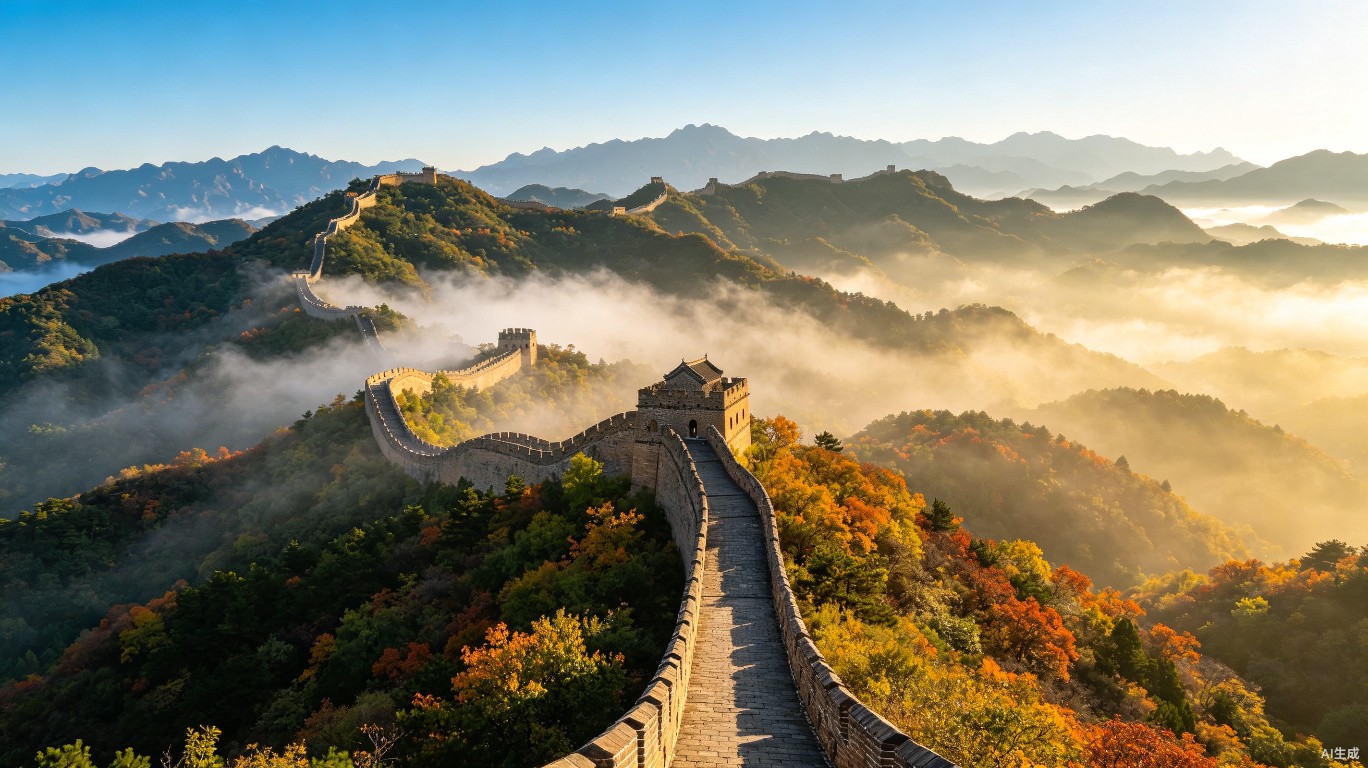
Top 10 Day Trips from Beijing You Shouldn't Miss: The Complete 2026 Guide
Beijing is packed with history, but some of China's best experiences are just a few hours away. Here are 10 day trips that will transform your visit.
9 min read
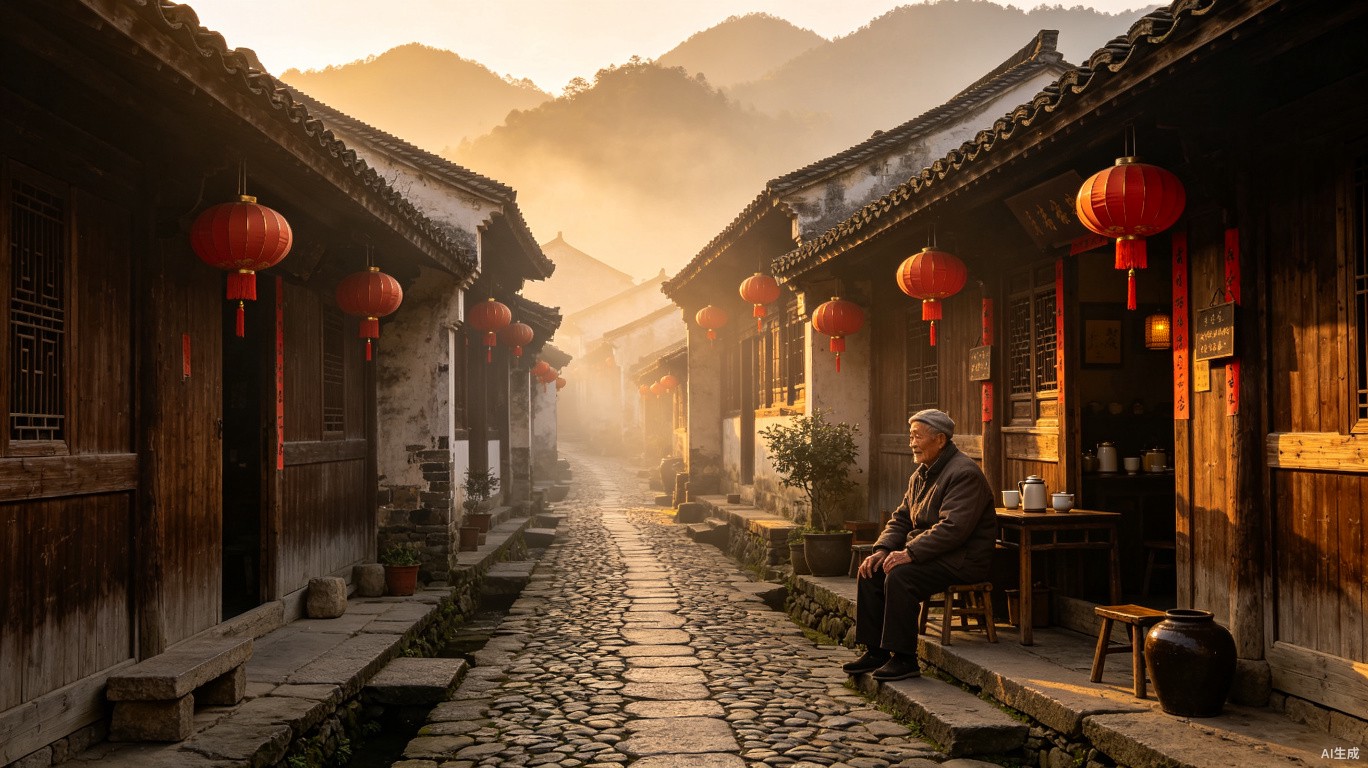
Top 10 Hidden Gems in China Off the Beaten Path: The Complete 2026 Guide
Beyond the Great Wall and Terracotta Warriors, China has incredible hidden destinations few tourists ever reach. Here are 10 underrated gems worth the detour.
9 min read
Top 10 Markets and Shopping Streets in China: The Complete 2026 Guide
From Shanghai's Bund to Beijing's Silk Street - 10 markets where foreigners can haggle, explore, and bring home authentic Chinese goods.
9 min read
Top 10 Museums in China You Shouldn't Miss: The Complete 2026 Guide
China's museums span 5,000 years of civilization. These 10 - from the Palace Museum to Xi'an's terracotta gallery - are unmissable for culture lovers.
9 min read