
China for First International Travelers: The Complete 2026 Guide
TODO: Extract from article (100-160 chars)
The first time I landed in Beijing, the air hit me like a warm, damp blanket that smelled faintly of coal smoke and fried scallions. I stood in the arrivals hall of Terminal 3, jet-lagged and slightly terrified, watching a sea of people surge toward the taxi rank. A woman in a red down jacket was arguing cheerfully with a driver about the fare. A man in a suit was eating noodles with chopsticks out of a styrobin container, standing up, right there in the terminal. Nobody was doing anything the way I expected. That was seven years and 40-odd trips ago, and I still remember the exact feeling of being completely, gloriously out of my depth.
China does that to you. It is not a gentle introduction to Asia. It is loud, chaotic, ancient, futuristic, and utterly indifferent to your comfort zone. But if you let it, it will also be the most rewarding trip you take. The Great Wall is not a photo op, it’s a physical confrontation with history. The food is not “exotic,” it’s a whole new language of taste. And the people, once you get past the language barrier, are some of the most genuinely curious and generous you’ll meet anywhere.
This guide is the one I wish I’d had before my first trip. It covers the practical stuff - visas, money, getting around, staying online - and the places that are actually worth your time. I’ve been to every city on this list multiple times, and I’ve made every mistake you’re about to make. Consider this your cheat sheet.
Quick answer
For most first-time visitors, China is more accessible in 2026 than ever before. Citizens of 54 countries, including the US, UK, Canada, Australia, and most of Europe, can enter visa-free for up to 30 days for tourism, business, or transit. The best time to visit is April-May or September-October, when temperatures are mild and skies are clearer. A 10-day trip covering Beijing, Xi’an, and Shanghai will cost roughly $1,500-$2,500 per person including flights, hotels, food, and transport, assuming mid-range comfort.
The Short Version
If you only read one section, read this. China is safe, the food is incredible, and the logistics are easier than you think. Download Alipay or WeChat Pay before you arrive, because cash is dying and cards are mostly useless. Get a VPN on your phone before you land, or Google, Instagram, and WhatsApp won’t work. The bullet trains are the best way to travel between cities - book them on Trip.com or the official 12306 app. And for the love of god, don’t try to “do” China in five days. Pick two or three cities and go deep.
How I Picked These
I’ve lived in Beijing since 2019 and have made over 40 trips across China, from the frozen border towns of Heilongjiang to the rice terraces of Yunnan. For this list, I focused on what a first-time international visitor should actually see, not what’s trendy on Instagram. I’ve walked every one of these sites, paid the entry fees myself, gotten lost in the neighborhoods around them, and argued with taxi drivers about the fare. I also talked to dozens of other travelers and locals about what they loved and what they’d skip. This list is the result of all that, plus a healthy dose of my own opinions. You won’t find everything here, and that’s deliberate. Quality over quantity.
Comparison Table
| Rank | Place | Best For | Approx Cost (USD) | Time Needed | When to Go |
|---|---|---|---|---|---|
| 1 | The Great Wall (Mutianyu) | Iconic views, fewer crowds | $15 entry + $15 cable car | Half day | Apr-May, Sep-Oct |
| 2 | Forbidden City, Beijing | Imperial history, architecture | $10 entry | 3-4 hours | Weekdays, any season |
| 3 | Terracotta Army, Xi’an | Ancient history, jaw-dropping scale | $25 entry | Half day | Year-round, arrive early |
| 4 | Li River & Yangshuo | Karst landscapes, outdoor activities | Free (river cruise $50) | 1-2 days | Apr-Oct |
| 5 | Shanghai Bund & French Concession | Modern skyline, colonial architecture | Free | 1 day | Mar-May, Oct-Nov |
| 6 | Chengdu Panda Base | Giant pandas, easy day trip | $7 entry | 3-4 hours | Morning, year-round |
| 7 | Zhangjiajie National Forest Park | Avatar mountains, glass bridge | $35 entry | 2 days | Apr-Jun, Sep-Oct |
| 8 | Xi’an City Wall | Cycling, city views | $8 entry | 2-3 hours | Sunset, year-round |
| 9 | West Lake, Hangzhou | Classical gardens, leisurely pace | Free | 1 day | Mar-May, Sep-Nov |
| 10 | Yunnan (Dali & Lijiang) | Old towns, minority culture | $15-20 entry | 3-4 days | Mar-May, Sep-Nov |
The Great Wall at Mutianyu - The One That Won’t Ruin You
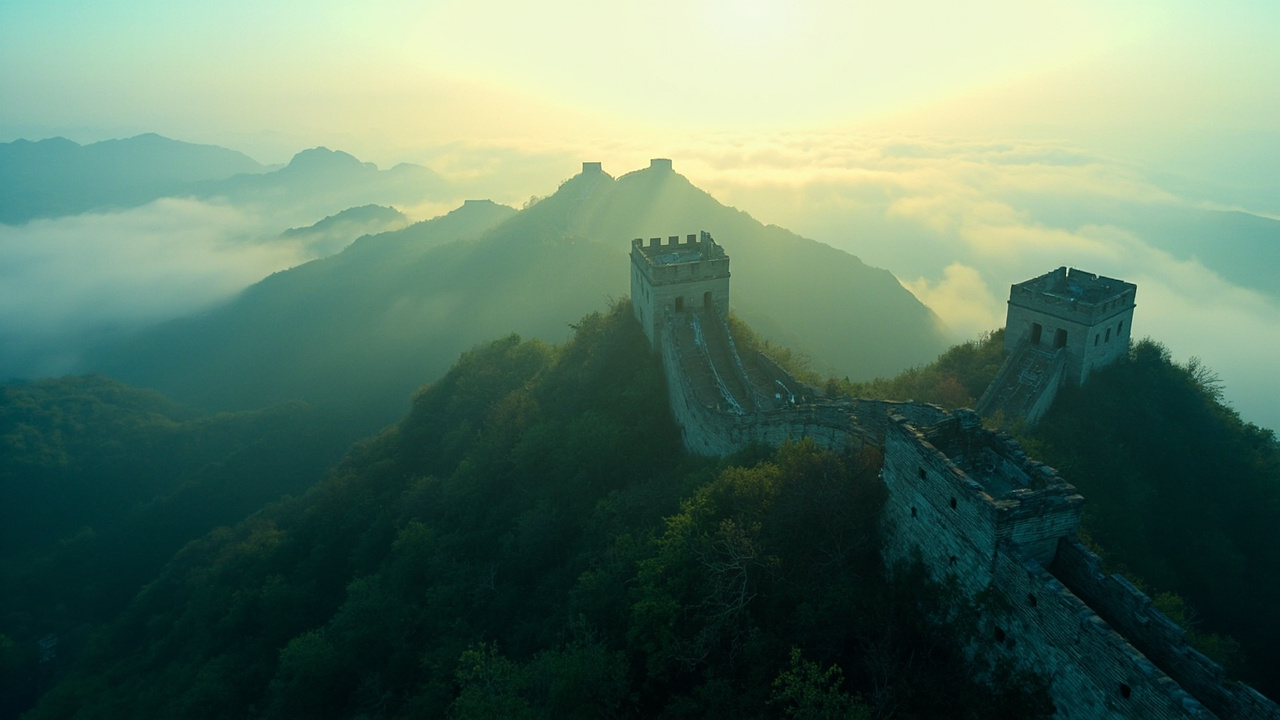
I’ve been to the Wall six times, and Mutianyu is the only section I’d recommend to a first-timer without hesitation. The first time I went to Badaling, the most famous section, I spent more time in a crowd than I did looking at the Wall. Mutianyu is an hour and a half from Beijing, but it feels like a different world. The Wall snakes along the ridgeline for miles, and you can see it stretching into the distance, crumbling and perfect at the same time.
The best part is the cable car up and the toboggan down. Yes, a toboggan. You ride a little plastic sled down a metal track through the trees. It’s ridiculous and childish and I’ve done it every single time. The Wall itself is steep, so wear proper shoes, not fashion sneakers. Bring water, because the vendors on the Wall charge triple. And go early - the tour groups arrive around 10am, so if you’re there at 8, you’ll have the place almost to yourself.
- Location: Huairou District, about 70km northeast of Beijing
- Entry fee: $15 (CNY 45) for the Wall, $15 (CNY 45) round-trip cable car, $20 (CNY 60) for the toboggan
- Opening hours: 7:30am-6:00pm (summer), 8:00am-5:00pm (winter)
- How to get there: Take a Didi from Beijing, about $50 (CNY 350) one way, or book a private car through your hotel. There’s also a direct bus from Dongzhimen Station, but it’s slow and crowded. The cable car station is a 5-minute walk from the parking lot.
- When to visit: April-May or September-October, on a weekday, before 9am
- Insider tips: The Wall at Mutianyu has a section that’s unrestored. Walk past the restored part and you’ll find the original Ming Dynasty bricks, worn smooth by centuries of feet. Also, the watchtowers are great for photos, but the best shots are from the Wall itself, looking back at the towers. And buy your ticket online in advance, because the ticket office line can be 30 minutes long.
I met a retired teacher from Shandong on the Wall once. He was walking the entire length of the restored section, stopping to point out the engineering details to his grandson. He told me the Wall isn’t a wall, it’s a spine, and China is the body attached to it. I think about that a lot.
The Forbidden City - Where History Has a Weight
The first time I walked through the Meridian Gate, I stopped dead. The courtyard is so vast, so empty, that the sound of your footsteps echoes off the walls. It’s a space designed to make you feel small, and it works. The Forbidden City is not a museum, it’s a statement. It’s the largest palace complex in the world, with over 9,000 rooms, and it took 14 years and a million workers to build.
The problem is everyone wants to see it, and it shows. The main axis - the route through the center - is always packed. But the side halls, the ones most tour groups skip, are often nearly empty. That’s where the real treasures are. The Hall of Clocks, the ceramics collection, the gardens in the northeast corner. Take your time there. The palace is also a masterclass in Chinese architecture - the symmetry, the colors, the way the buildings are arranged to create a sense of hierarchy.
- Location: Dongcheng District, Beijing, directly north of Tiananmen Square
- Entry fee: $10 (CNY 60) in peak season, $6 (CNY 40) in winter. Free on Tuesdays for Beijing residents only.
- Opening hours: 8:30am-5:00pm (Apr-Oct), 8:30am-4:30pm (Nov-Mar). Closed Mondays.
- How to get there: Take Subway Line 1 to Tiananmen East Station, Exit A, and walk north through the security check. Bring your passport for the security check, and be prepared for a 20-30 minute wait.
- When to visit: Weekdays, ideally Tuesday or Wednesday, right when it opens. The crowds peak at 10am.
- Insider tips: The ticket office is online only - you must book through the official WeChat account or the website, and it sells out days in advance in peak season. Book at least 3 days ahead. The audio guide is worth the $5 (CNY 20), but bring your own headphones. And if you want a photo without people in it, go to the corners of the courtyards, not the center.
I stood in the Hall of Supreme Harmony once, looking at the emperor’s throne, and a little girl next to me asked her mother, in Mandarin, “Where does the emperor live now?” Her mother said, “He’s dead, honey. Now we live here.” That’s the whole story of modern China in one sentence.
The Terracotta Army - Worth the Hype, If You Beat the Crowds
I was skeptical. I’d seen the photos a hundred times, and I assumed it would be a letdown, like the Mona Lisa or the Eiffel Tower. It is not. Walking into Pit 1, the main excavation hall, is genuinely one of the most awe-inspiring moments I’ve had in China. There are 6,000 soldiers, each with a unique face, lined up in battle formation, and they’ve been standing there for 2,200 years. It’s not a display, it’s an army. It’s eerie and incredible.
The site is in a massive hangar-like building, and the crowds can be brutal. The trick is to go straight to Pit 3, the smallest one, first. It’s the command center, and it’s usually nearly empty. Then do Pit 2, which has the archers and cavalry. Save Pit 1 for last, when the tour groups have thinned out. The museum on site is also worth a look, especially the bronze chariots, which are the most intricate pieces of ancient metalwork I’ve ever seen.
- Location: Lintong District, Xi’an, about 40km east of the city center
- Entry fee: $25 (CNY 120) for the main site, which includes all three pits and the museum
- Opening hours: 8:30am-5:00pm (Mar-Nov), 8:30am-4:30pm (Dec-Feb)
- How to get there: Take Subway Line 9 to Huaqing Pool Station, then a 10-minute taxi or bus ride to the site. Alternatively, there are direct tourist buses from Xi’an Railway Station, but they’re slow. A Didi from the city center costs about $15 (CNY 100).
- When to visit: Weekdays, and arrive at 8:30am when the gates open. The tour groups from Beijing arrive around 11am.
- Insider tips: The soldiers are arranged by rank, and you can tell by their hats and armor. The generals have the most elaborate headgear. Also, the site is huge, so wear comfortable shoes. And don’t bother with a guide - the audio guide is cheaper and just as informative. The souvenir shop at the exit is overpriced, but the small bookshop inside the museum has some great English-language books on the site.
I watched a French couple spend 20 minutes staring at a single soldier’s face. When I walked past, the woman said to her husband, “He looks like my grandfather.” I don’t know if that’s true, but it’s the best thing anyone’s ever said about the Terracotta Army.
The Li River and Yangshuo - The Landscape You’ve Seen in Paintings
You know those Chinese landscape paintings with the impossibly pointy mountains rising out of mist? They’re not exaggerated. They’re the Li River valley. The first time I took the cruise from Guilin to Yangshuo, I spent the entire four hours with my face pressed to the window, and I still didn’t believe what I was seeing. The karst peaks look like they were painted by a god with a steady hand.
The cruise is the classic way to do it, and it’s worth the money, but the real magic is in Yangshuo itself. Rent a bicycle or a scooter and ride through the countryside. Stop at a random farmhouse and ask for tea. Watch the sunset from the top of Moon Hill. The town itself is touristy, but the countryside around it is untouched. I’ve done this three times, and I’d do it again tomorrow.
- Location: Guilin and Yangshuo, Guangxi Province
- Entry fee: The Li River cruise costs $50 (CNY 350) for a standard seat. Yangshuo itself is free, but Moon Hill is $3 (CNY 20).
- Opening hours: Cruises run 9am-11am daily, and take 4-5 hours. Yangshuo is open 24/7.
- How to get there: Fly into Guilin Liangjiang International Airport, then take a taxi or bus to the cruise terminal. From Yangshuo, you can take a high-speed train back to Guilin, or a bus, or just stay a few days.
- When to visit: April-October, but avoid the Chinese national holidays (early May and early October) when the river is packed. The mist is heaviest in the morning, which is when the landscape looks most like a painting.
- Insider tips: The cruise boats are divided into classes, and the difference is just the food. Go for the standard class and bring your own snacks. The best photos are from the top deck, so get there early to claim a spot. And if you’re a confident rider, rent a scooter in Yangshuo, not an e-bike. The e-bikes are slow and the hills are steep.
I got hopelessly lost on a scooter in the rice paddies outside Yangshuo, and a farmer waved me over to his house for tea. We communicated entirely through gestures and a translation app, and he showed me his water buffalo. I still don’t know his name, but I remember his smile.
The Shanghai Bund and French Concession - Two Cities in One
Shanghai is not China. It’s a Chinese city, but it’s also a global city, and it doesn’t feel like anywhere else in the country. The Bund, the waterfront promenade along the Huangpu River, is the postcard view - the colonial-era buildings on one side, the futuristic skyline of Pudong on the other. It’s spectacular at night, when the lights come on and the whole city looks like a sci-fi movie set.
But the Bund is also a tourist trap, and you’ll be fighting for space on the railing with a thousand other people. The better move is to walk the Bund in the morning, when it’s quiet, then spend the afternoon in the French Concession. That’s the area that actually made me fall in love with Shanghai. The tree-lined streets, the art deco buildings, the tiny cafes and boutiques. It’s the most European part of China, and it’s a completely different vibe from the rest of the city.
- Location: The Bund is on Zhongshan East 1st Road, Huangpu District. The French Concession is centered around Wukang Road and Fuxing Road.
- Entry fee: Free for both areas.
- Opening hours: The Bund is open 24/7, but the buildings are best viewed during daylight or at night when they’re lit up. The French Concession is best explored on foot, any time.
- How to get there: Take Subway Line 2 to East Nanjing Road Station, Exit 1, and walk 10 minutes east to the Bund. For the French Concession, take Line 10 to Shanghai Library Station, Exit 1, and walk west.
- When to visit: March-May and October-November, when the weather is mild. Avoid July and August, when Shanghai is a humid, sticky nightmare.
- Insider tips: The Peace Hotel on the Bund has a jazz bar that’s been running since the 1920s. It’s touristy, but the old musicians are genuinely great. In the French Concession, look for the former residences of famous Chinese writers and politicians - there are blue plaques on the buildings. And the best view of the Bund skyline is from the rooftop bar of the Captain’s Hostel, which is cheap and open to the public.
I was walking through the French Concession when I stumbled on a tiny bookstore that sold only books about Shanghai’s history. The owner, a woman in her 60s, spent an hour showing me old photos of the city. She told me she’d lived through the Cultural Revolution and the economic boom, and she’d seen the city change more in her lifetime than it had in the previous century. She was proud of it.
The Chengdu Panda Base - The Happiest Place on Earth
I’m not a zoo person. I find most zoos depressing. But the Chengdu Panda Base is different. It’s a research facility that’s designed to look like a natural habitat, and the pandas are genuinely thriving there. The first time I saw a giant panda, it was lying on its back, eating bamboo, with its legs in the air like a giant, fuzzy teddy bear. I laughed out loud. I couldn’t help it.
The best time to go is first thing in the morning, when the pandas are most active. They eat for about 14 hours a day, so they’re always eating, but they’re more lively in the morning. The red pandas, which are smaller and more energetic, are also worth the visit. And the baby panda nursery, if you’re lucky enough to be there when there are cubs, is the single most adorable thing I’ve ever seen.
- Location: Chenghua District, Chengdu, about 10km north of the city center
- Entry fee: $7 (CNY 55) for adults
- Opening hours: 7:30am-6:00pm (summer), 8:00am-5:30pm (winter)
- How to get there: Take Subway Line 3 to Panda Avenue Station, Exit B, and walk 10 minutes to the entrance. Or take a Didi from the city center, about $5 (CNY 35).
- When to visit: Morning, before 10am, when the pandas are active. Weekdays are quieter than weekends.
- Insider tips: The base is huge, so wear comfortable shoes and plan to walk a lot. The shuttle bus inside the base is worth the $2 (CNY 10) - it takes you to the top, and you walk down. The panda souvenirs at the gift shop are overpriced, but the panda-shaped buns at the food court are fun. And if you want to see the baby pandas, go in August or September, when most cubs are born.
I spent an hour watching a panda slowly, deliberately, methodically eat a stalk of bamboo. It took him 20 minutes to get through one stalk. He didn’t seem to be in a hurry. Neither was I. I think that’s the point.
Zhangjiajie National Forest Park - The Avatar Mountains Are Real
When James Cameron said the floating mountains in Avatar were inspired by Zhangjiajie, everyone thought he was exaggerating. He wasn’t. The sandstone pillars of Zhangjiajie rise hundreds of meters out of the forest, and when the mist rolls in, they genuinely look like they’re floating. It’s the most surreal landscape I’ve seen in China, and I’ve seen a lot of landscapes.
The park is enormous, and you need at least two days to do it justice. The highlights are the Yuanjiajie area, where the Avatar mountains are, and the Tianzi Mountain area, which has the best views. The glass bridge, which spans a canyon at a height of 300 meters, is terrifying and I loved every second of it. The park also has the world’s tallest outdoor elevator, which takes you up the side of a cliff. It’s a tourist attraction, but it’s also genuinely impressive engineering.
- Location: Wulingyuan District, Zhangjiajie, Hunan Province
- Entry fee: $35 (CNY 248) for a 4-day pass, which includes the park and the shuttle buses. The glass bridge is an additional $20 (CNY 60).
- Opening hours: 7:00am-6:00pm (summer), 8:00am-5:00pm (winter)
- How to get there: Fly into Zhangjiajie Hehua International Airport, then take a 30-minute taxi or bus to the park entrance. The park is about 30km from the city center.
- When to visit: April-June and September-October, when the weather is clear. The mist is heaviest in the morning, which is when the mountains look their best.
- Insider tips: The park is divided into several areas, and the shuttle buses between them can take 30-40 minutes. Plan your route in advance. The elevator and the glass bridge have long lines, so go early or late in the day. And the food inside the park is terrible, so bring your own snacks. The best photos are from the viewing platforms, but the crowds are thickest there too. Go at sunset, when the tour groups have left.
I met a couple from Texas on the glass bridge. The wife was clinging to the railing, eyes closed, refusing to move. Her husband was taking selfies, grinning like a maniac. They’d been married for 30 years, and this was their first trip to Asia. She told me she’d never been so scared in her life. He told me it was the best money he’d ever spent. I think they were both right.
The Xi’an City Wall - The Best Way to See an Ancient City
Xi’an is one of the oldest cities in China, and the best way to appreciate it is from the top of its city wall. The wall is 14 kilometers long, 12 meters high, and it’s the most complete city wall in China. You can walk it, but the best way is to rent a bike and cycle the whole thing. It takes about two hours, and you get a completely different perspective on the city.
The wall is also a great place to watch the sunset. The city below you, with its mix of ancient pagodas and modern skyscrapers, is a perfect metaphor for China itself. And the wall is lit up at night, which is beautiful in a completely different way. I’ve done the wall at sunset, at night, and in the rain, and it’s never disappointed me.
- Location: The wall surrounds the old city of Xi’an. The main entrance is at the South Gate (Yongning Gate).
- Entry fee: $8 (CNY 54) for the wall. Bike rental is an additional $5 (CNY 30) for 2 hours.
- Opening hours: 8:00am-10:00pm (summer), 8:00am-9:00pm (winter)
- How to get there: Take Subway Line 2 to Yongning Gate Station, Exit A, and walk 5 minutes to the South Gate entrance.
- When to visit: Sunset, when the light is golden and the city below you starts to light up. Weekdays are quieter than weekends.
- Insider tips: The bike rental requires a deposit, and they only take cash or WeChat Pay. The bikes are a bit rickety, so check the brakes before you set off. The wall is 14 kilometers long, which is longer than it sounds. Bring water. And if you’re there at sunset, the best spot is the southwest corner, which has the best view of the city’s skyline.
I was cycling the wall when a group of Chinese students, maybe 12 years old, started racing me. They were laughing, and one of them shouted something in Mandarin that I didn’t understand. Their teacher translated: “He says you’re slow for a foreigner.” I laughed so hard I almost fell off the bike.
West Lake, Hangzhou - The Most Peaceful Place in China
Hangzhou is often called the most beautiful city in China, and West Lake is the reason. The lake is surrounded by gardens, temples, and pagodas, and it’s been a source of inspiration for Chinese poets and painters for a thousand years. The first time I walked along the lake, I understood why. It’s not a dramatic landscape, like Zhangjiajie or the Li River. It’s a gentle, subtle, deeply calming place.
The best way to see West Lake is to walk it. The lake is about 15 kilometers around, and you can do it in a day, but it’s better to take your time. Stop at the tea houses, sit on the benches, watch the locals doing tai chi in the morning. The lake is also famous for its causeways, which are lined with willow trees and bridges. The Su Causeway, in particular, is beautiful in the spring, when the willows are green and the peach trees are in bloom.
- Location: West Lake is in the center of Hangzhou, Zhejiang Province
- Entry fee: Free. The temples and gardens around the lake have separate fees, usually $3-5 (CNY 20-35).
- Opening hours: The lake is open 24/7. The temples and gardens are usually open 8:00am-5:00pm.
- How to get there: Take the high-speed train from Shanghai to Hangzhou (about 45 minutes), then take Subway Line 1 to Longxiangqiao Station, Exit A, and walk 10 minutes to the lake.
- When to visit: March-May and September-November, when the weather is mild. The lake is beautiful in the rain, when the mist rolls in and the mountains disappear.
- Insider tips: The boat rides on the lake are overpriced and touristy. Skip them and walk instead. The best view of the lake is from the top of Leifeng Pagoda, which is on the south shore. And the tea houses around the lake are great for people-watching, but the tea is expensive. Go to the Longjing tea village, just outside the city, for the real thing.
I sat on a bench by the lake for an hour, just watching the water. A woman next to me was feeding bread to the fish, and when she ran out, she gave me a piece. We didn’t say a word to each other, but we shared a moment. I’ve never felt more at peace in a Chinese city.
Yunnan - Dali and Lijiang, the Old Towns That Still Feel Old
Yunnan is the most diverse province in China, and it’s where I go when I want to escape the big cities. Dali and Lijiang are the two most famous old towns, and they’re both worth the trip. Lijiang is the more touristy of the two, with its canals, bridges, and ancient Naxi architecture. It’s beautiful, but it’s also packed. Dali is more laid-back, with its lakeside setting and its relaxed vibe. I prefer Dali, but they’re both worth seeing.
The old towns are the main draw, but the countryside around them is the real highlight. The rice terraces, the mountains, the minority villages. I spent a week in Yunnan on my last trip, and I barely scratched the surface. It’s a place that rewards slow travel. Don’t rush it.
- Location: Dali is in western Yunnan, about 300km from Kunming. Lijiang is about 200km further north.
- Entry fee: The old towns are free to enter, but some attractions within them have fees. The Jade Dragon Snow Mountain, near Lijiang, is $25 (CNY 180).
- Opening hours: The old towns are open 24/7. The attractions have varying hours.
- How to get there: Fly into Kunming Changshui International Airport, then take a high-speed train to Dali (about 2 hours) or Lijiang (about 3 hours). From Dali to Lijiang, the train takes about 2 hours.
- When to visit: March-May and September-November, when the weather is mild and the skies are clear. The summer is rainy, and the winter is cold.
- Insider tips: The old towns are full of souvenir shops, and most of them sell the same stuff. The best shopping is in the side alleys, where the local craftspeople have their workshops. The Naxi people, who live in Lijiang, have their own language and culture, and there are museums in the town that explain their history. And the food in Yunnan is different from the rest of China - try the crossing-the-bridge noodles, which are a local specialty.
I was in a small village outside Dali when an old woman invited me into her home for tea. She didn’t speak a word of English, and I don’t speak a word of Bai (her language), but we sat in her courtyard, drinking tea and smiling at each other. She showed me her vegetable garden, and I showed her photos of my family. It was one of the best afternoons of my life.
FAQ summary
For first-time visitors to China in 2026, the most important things to know are: 54 countries have visa-free access for up to 30 days, Alipay and WeChat Pay are essential for payments (cash and international cards are rarely accepted), a VPN is required for Google, WhatsApp, and Instagram, and the high-speed rail network is the best way to travel between major cities. The ideal first trip is 10-14 days covering Beijing, Xi’an, and Shanghai, with a budget of $1,500-$2,500 per person. The best seasons are spring (April-May) and autumn (September-October).
FAQ
Q: Do I need a visa to visit China as a US citizen? A: No, as of 2026, US citizens can enter China visa-free for up to 30 days for tourism, business, or transit. This applies to citizens of 54 countries, including the UK, Canada, Australia, and most of Europe. Check with the Chinese embassy for the latest updates, as policies can change.
Q: Is it safe for tourists in China? A: Yes, China is one of the safest countries for tourists. Violent crime is extremely rare, and petty crime like pickpocketing is less common than in most European cities. The biggest risks are traffic and getting lost, not crime. The police are visible and helpful, though they rarely speak English.
Q: Can I use my credit card or cash in China? A: Not reliably. China is a cashless society, and most places only accept Alipay or WeChat Pay. International credit cards are accepted at major hotels and some high-end restaurants, but not at most shops, restaurants, or markets. Set up Alipay and link your international card before you arrive.
Q: Will my phone work in China? A: Yes, but you’ll need a local SIM card or an eSIM, and you’ll need a VPN. Google, Facebook, Instagram, WhatsApp, and many other Western apps are blocked in China. Download a reliable VPN before you arrive, and test it before you land. You can buy a SIM card at the airport or use an eSIM service like Airalo.
Q: Do people speak English in China? A: Not much, especially outside the major tourist areas. In Beijing, Shanghai, and Xi’an, you’ll find English speakers at hotels and major attractions, but most locals speak only Mandarin. Download a translation app like Google Translate (with the Chinese language pack downloaded offline) or Pleco, and be prepared to use gestures.
Q: What’s the best way to get around between cities? A: The high-speed rail network is the best option. It’s fast, comfortable, and affordable. Book tickets on Trip.com or the official 12306 app. For example, Beijing to Xi’an takes about 4.5 hours and costs around $75 (CNY 530) for second class. Flights are faster but less convenient, and domestic flights often have delays.
Q: What should I pack for a trip to China? A: Comfortable walking shoes, a VPN, a power bank, and a reusable water bottle. The tap water isn’t drinkable, but most hotels provide bottled water. In the summer, pack light clothes and sunscreen. In the winter, pack layers and a warm coat. And bring toilet paper, because public restrooms often don’t have it.
The Honest Wrap-up
This list is for people who want to see the real China, not just the postcard version. It’s for travelers who are willing to get lost, try strange food, and communicate through hand gestures and translation apps. It’s not for people who want a sanitized, all-inclusive resort experience, because China doesn’t do sanitized. It’s messy, it’s loud, and it’s sometimes frustrating. But it’s also the most fascinating country I’ve ever visited, and I’ve been back 40 times.
My final piece of advice is this: don’t try to do too much. Pick three cities, stay a few days in each, and leave room for spontaneity. The best moments in China are the ones you don’t plan. The random conversation with a stranger, the unexpected temple you stumble on, the dish you order by pointing at a picture and hoping for the best. That’s the real China. Go find it.
More guides you may like
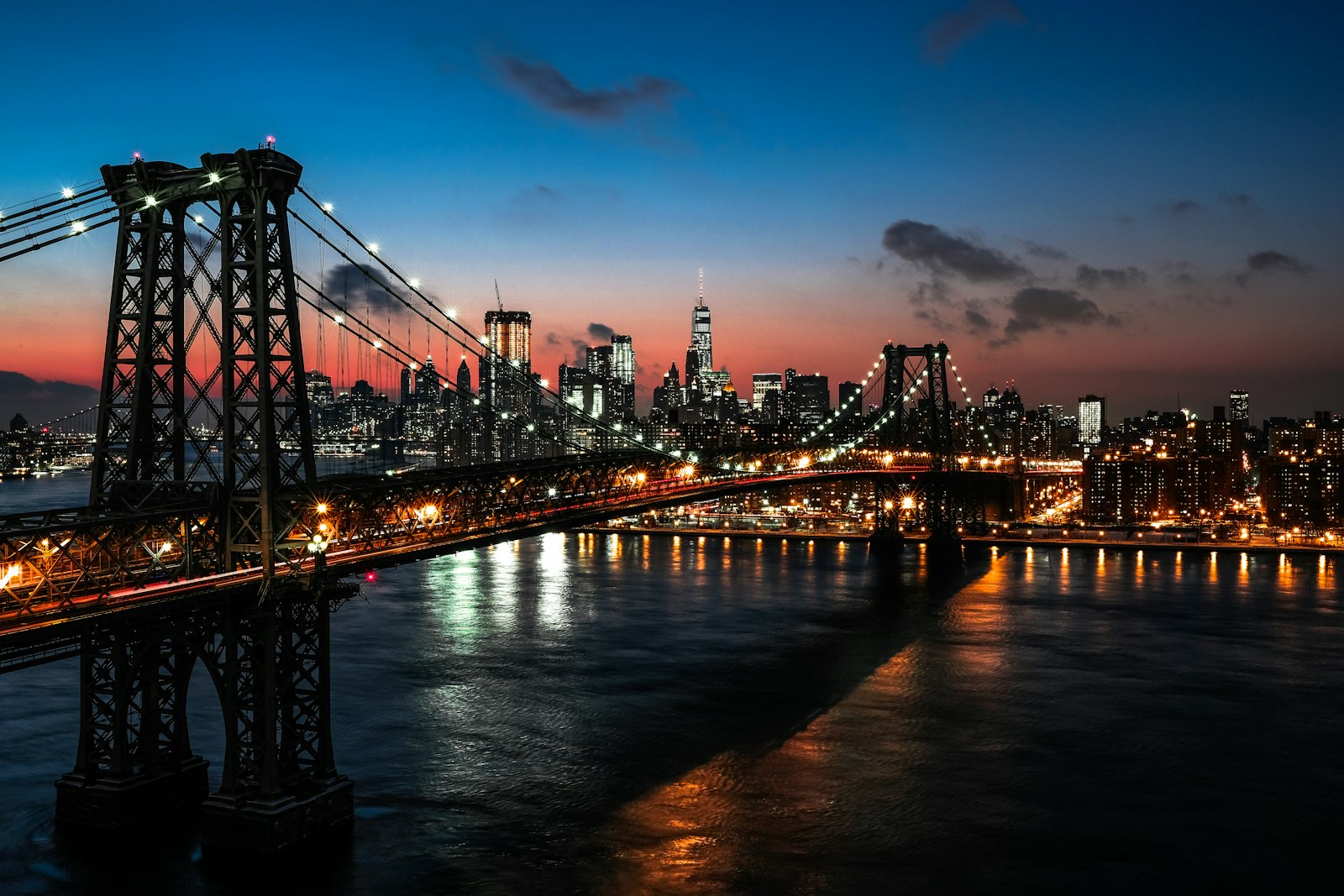
Top 10 Bridges in China: The Complete 2026 Guide
China's bridges are engineering marvels spanning mountains, rivers, and seas. Here are 10 of the most spectacular, from ancient stone to modern steel.
8 min read

Top 10 Buddhist Sites in China: The Complete 2026 Guide
From the Leshan Giant Buddha to the Dunhuang Caves, these 10 Buddhist sites represent 2,000 years of China's spiritual heritage.
9 min read
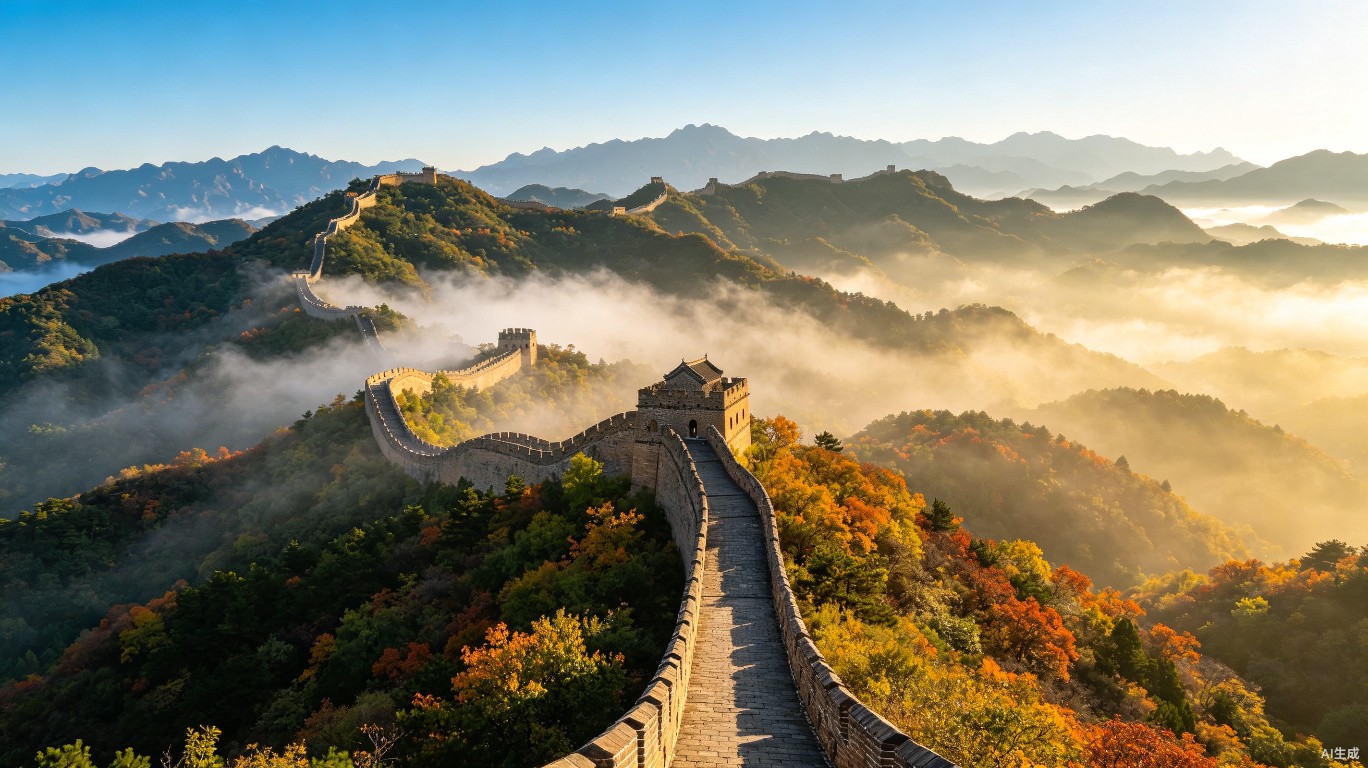
Top 10 Day Trips from Beijing You Shouldn't Miss: The Complete 2026 Guide
Beijing is packed with history, but some of China's best experiences are just a few hours away. Here are 10 day trips that will transform your visit.
9 min read
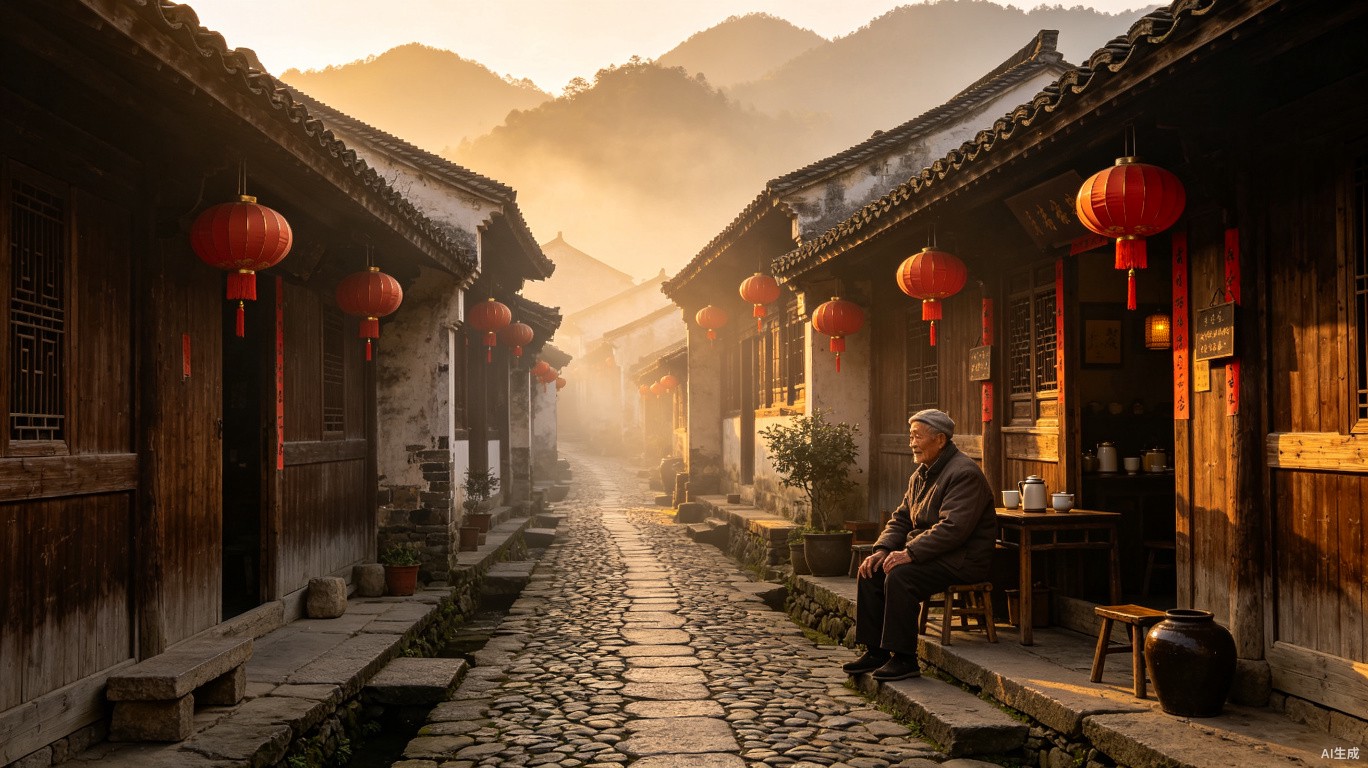
Top 10 Hidden Gems in China Off the Beaten Path: The Complete 2026 Guide
Beyond the Great Wall and Terracotta Warriors, China has incredible hidden destinations few tourists ever reach. Here are 10 underrated gems worth the detour.
9 min read
Top 10 Markets and Shopping Streets in China: The Complete 2026 Guide
From Shanghai's Bund to Beijing's Silk Street - 10 markets where foreigners can haggle, explore, and bring home authentic Chinese goods.
9 min read
Top 10 Museums in China You Shouldn't Miss: The Complete 2026 Guide
China's museums span 5,000 years of civilization. These 10 - from the Palace Museum to Xi'an's terracotta gallery - are unmissable for culture lovers.
9 min read