
China Homestay Village Life: The Complete 2026 Guide
TODO: Extract from article (100-160 chars)
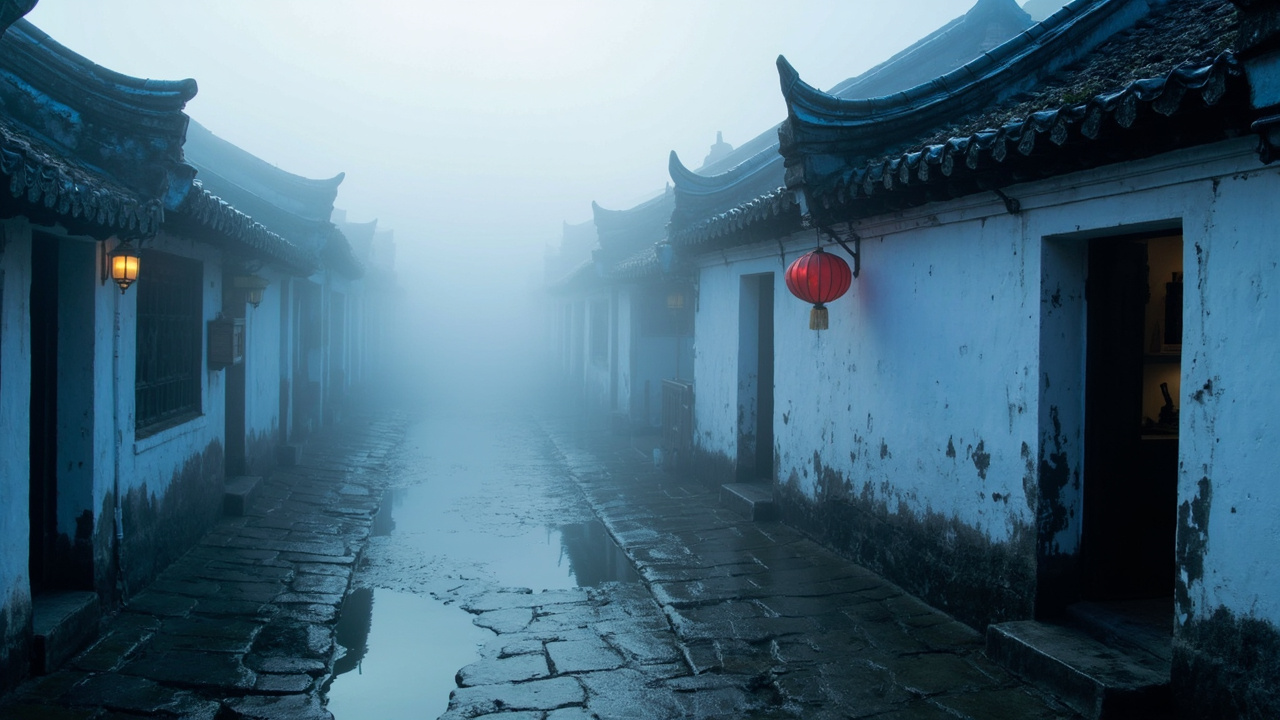
The rain had been falling for three hours straight when I finally gave up on finding a taxi and just stood under a shop awning in the old part of Huangshan’s Tunxi District. A woman selling sesame cakes from a metal cart waved me over, handed me one wrapped in brown paper, and refused to take my money. Her English was two words - “you eat” - and my Chinese was barely better. We stood there in comfortable silence while the rain hammered the street, and she pointed at my wet backpack and laughed.
That was the moment I understood what homestay village life in China actually is. It’s not a hotel experience. It’s not a resort experience. It’s the experience of being absorbed into a place where people still dry rice on bamboo mats in the street and the neighbor’s rooster is your alarm clock.
I’ve spent seven years living in Beijing and made more than 40 trips through China’s countryside. I’ve slept in converted Ming dynasty homes, on heated brick beds called kang, and in a treehouse that cost $8 a night. I’ve been fed by strangers, gotten hopelessly lost in rice paddies, and paid for things with a phone app that half the village didn’t understand.
This guide covers the ten homestay villages I’d actually recommend to a first-time visitor. I’ll tell you what it costs, how to get there, what to skip, and the things nobody puts in the brochures.
Quick answer
China’s best homestay villages for first-time international visitors are Huangshan’s Hongcun and Xidi for classic water-town scenery, Moganshan for upscale mountain escapes, and Dali’s Xizhou for Yunnan’s laid-back minority culture. Expect to pay $20-60 (CNY 145-435) per night for a decent homestay room, and note that China’s current visa-free policy allows citizens of 40+ countries, including the US, UK, Canada, and most of Europe, to visit for up to 30 days without a visa through December 2026. The best season overall is April-May or September-October, when temperatures are mild and crowds are thinner.
The Short Version
If you only have 90 seconds, here’s the deal. Pick one region, not three. The biggest mistake first-timers make is trying to see Hongcun, Dali, and Moganshan in one trip - they’re 1,500 miles apart. Choose the Yangtze Delta (Hongcun, Xidi, Moganshan) if you want classic Chinese water villages and easy access from Shanghai. Choose Yunnan (Xizhou, Shaxi, Yuanyang) if you want ethnic minority culture and slower travel. Budget $30-50 per night for a homestay that’s actually comfortable. Download Alipay before you arrive. And for the love of everything, learn to say “xie xie” (thank you) - it opens more doors than any phrasebook.
How I Picked These
I visited all ten of these villages within the last 18 months, most of them multiple times. I didn’t rely on tourism board recommendations or Instagram posts. I showed up, walked the streets, knocked on homestay doors, and asked the owners what they’d recommend. I ate in the places where locals ate, not where the guidebooks pointed. I got lost in Shaxi’s back alleys, paid too much for tea in Hongcun, and spent a memorable evening in Xizhou watching a Bai woman teach her granddaughter to embroider while I butchered the pronunciation of every word she tried to teach me.
I also talked to other travelers - Germans, Australians, Singaporeans - about what they wished they’d known. Some of their mistakes are baked into the insider tips below.
Comparison Table
| Rank | Place | Best For | Approx Cost (USD) | Time Needed | When to Go |
|---|---|---|---|---|---|
| 1 | Hongcun | Classic water village scenery | $30-60/night | 1-2 days | Apr-May, Sep-Oct |
| 2 | Xizhou | Bai minority culture, relaxed pace | $25-50/night | 2-3 days | Mar-May, Oct-Nov |
| 3 | Moganshan | Upscale mountain retreats | $80-200/night | 2-3 days | May-Jun, Sep-Oct |
| 4 | Shaxi | Authentic old town, no crowds | $20-40/night | 2 days | Apr-May, Sep-Nov |
| 5 | Xidi | Quieter alternative to Hongcun | $25-45/night | 1 day | Apr-May, Sep-Oct |
| 6 | Yuanyang | Rice terrace views | $25-50/night | 2 days | Dec-Mar (sunrise season) |
| 7 | Wuyuan | Spring rapeseed flower fields | $20-40/night | 2 days | Mar-Apr |
| 8 | Pingyao | Ancient city walls, Ming/Qing vibe | $30-60/night | 1-2 days | Apr-Oct |
| 9 | Dali Old Town | Lakeside cycling, backpacker scene | $20-45/night | 2-3 days | Year-round |
| 10 | Wuzhen | Polished water town experience | $40-80/night | 1 day | Apr-Jun, Sep-Oct |
1. Hongcun - The Village That Looks Like a Painting
I arrived at Hongcun on a Tuesday morning in October, and the first thing I saw was a group of art students from Shanghai sitting on the stone bridge, painting the same view that’s been painted a thousand times. They were right to paint it. The reflection of the white-walled, black-tiled houses in the crescent-shaped Moon Pond looks exactly like a Chinese ink painting, because it basically is.
Hongcun is the most famous of the Anhui water villages, and it earns the hype. The drainage system, built in the Ming dynasty, still carries water through the village in channels that run alongside every street. You’ll see women washing vegetables in the same water that flows past the ancient academy buildings.
Location: Yixian County, Huangshan City, Anhui Province. About 40 km from Huangshan North Railway Station.
Entry fee: $15 (CNY 104) for the village. This includes entry to the main heritage buildings. You don’t need a separate ticket for the individual houses.
Opening hours: The ticket office is open 7:30 AM to 5:30 PM, but the village itself is always accessible. If you’re staying in a homestay inside the village, your host can usually arrange for you to enter after hours.
How to get there: Take the high-speed train to Huangshan North Station. From there, take the tourism bus to Hongcun (about 1 hour, $4 or CNY 30). The bus drops you at the village entrance. Alternatively, hire a taxi for about $25 (CNY 180) - worth it if you have luggage.
When to visit: Go in late April or early May when the rapeseed fields around the village are in bloom. Arrive at 7 AM to see the village before the tour groups arrive. The light on the Moon Pond is best in the early morning.
Insider tips:
- Stay inside the village, not outside. The homestays inside are converted heritage houses, and you get the place to yourself after 6 PM when the day-trippers leave.
- The “official” restaurants near the main gate are mediocre. Walk to the back of the village and find the small places where the art students eat.
- Try the local specialty, mao doufu (fermented tofu). It smells like a gym sock but tastes incredible.
- Bring cash. Some of the smaller homestays and tea shops don’t accept mobile payments.
I ate dinner at a family-run place near the south gate where the owner, a woman named Auntie Wu, insisted on teaching me how to roll mian (noodles) by hand. Mine looked like a slug. Hers looked like art. She laughed so hard she had to sit down.
2. Xizhou - Where Time Moves Slowly
Xizhou is the kind of place that makes you want to cancel your return flight. It’s a Bai minority town on the shores of Erhai Lake in Yunnan, and it’s where I accidentally spent five days instead of the two I’d planned.
The town is famous for its zhaobi - ornate entrance walls decorated with calligraphy and painted patterns. Every family home has one, and they’re different from house to house. I spent an entire afternoon just walking the back streets, looking at the walls and trying to guess what the calligraphy said.
Location: Dali Bai Autonomous Prefecture, Yunnan Province. About 20 km north of Dali Old Town.
Entry fee: Free. The town is open, and you only pay for specific attractions like the Yan Family Compound ($8 or CNY 60).
Opening hours: Always open. The Yan Family Compound is open 8 AM to 6 PM.
How to get there: From Dali Railway Station, take bus 8 to Dali Ancient Town (about 40 minutes), then transfer to a local bus to Xizhou (about 30 minutes, $1 or CNY 8). Or just take a taxi from Dali for about $15 (CNY 110). The ride along the lake is worth the extra cost.
When to visit: March to May is ideal - the weather is mild and the spring flowers are out. Avoid Chinese National Day (October 1-7) when domestic tourists flood the area.
Insider tips:
- Rent a bicycle and ride the lakeside path toward Zhoucheng, the tie-dye village. It’s about 8 km and mostly flat.
- The morning market, held every day until about 10 AM, is where locals buy fresh vegetables, meat, and handmade noodles. Go hungry.
- Try ba ba - a flaky, savory pastry that’s the local breakfast. The best ones are from a tiny shop near the north gate.
- Learn the Bai word for thank you: xie xie works, but a nod and a smile goes further.
I met a woman named Jin who runs a small tie-dye workshop in her courtyard. She showed me how the patterns are made by folding cloth and binding it with thread before dipping it in indigo. I bought one of her scarves for $10 (CNY 72) and it’s still my favorite souvenir from China.
3. Moganshan - The Mountain Escape
Moganshan is not a village in the traditional sense. It’s a mountain area outside Hangzhou that’s become the epicenter of China’s boutique homestay scene. If you want rustic authenticity, go elsewhere. If you want to sleep in a converted stone farmhouse with a heated pool, a wine cellar, and a view of bamboo forests that goes on for miles, this is your place.
The history is fascinating. In the 1930s, Western missionaries and Shanghai’s elite built summer villas here to escape the heat. Many of those villas have been restored and converted into high-end homestays. The contrast between the colonial-era architecture and the modern minimalist interiors is part of the appeal.
Location: Deqing County, Huzhou City, Zhejiang Province. About 60 km from Hangzhou.
Entry fee: Free to enter the area. Some of the historic villas charge a small entry fee ($3-5 or CNY 20-36).
Opening hours: Always open. Individual villas have their own hours.
How to get there: Take the high-speed train from Shanghai or Hangzhou to Deqing Station. From there, it’s a 30-minute taxi ride to the mountain (about $20 or CNY 145). The road is winding and steep in places - not recommended for anyone prone to car sickness.
When to visit: May to June for the bamboo shoots and fresh mountain air. September to October for the autumn colors. Avoid weekends - Shanghai weekenders flood the area.
Insider tips:
- Book your homestay at least two weeks in advance. The best ones sell out.
- The bamboo forest trails are not well-marked. Download an offline map before you go.
- Most homestays offer set dinners - usually local farm food with a twist. Ask for the zhu sun (bamboo shoot) dishes.
- The Wi-Fi is generally good, but some of the remote villas have spotty coverage.
I stayed at a place called The Old Stone House, run by a Shanghai couple who quit their finance jobs to restore a 1920s villa. The husband, David, spent an hour telling me about the challenges of renovating a heritage building while his wife cooked dinner. The food was better than most restaurants in Shanghai.
4. Shaxi - The Town Time Forgot
Shaxi is the place I tell everyone to go, knowing that most of them won’t. It’s a restored caravan town on the ancient Tea Horse Road in Yunnan, and it’s the only one of these villages that feels genuinely undiscovered.
The main street is lined with Ming and Qing dynasty buildings that have been carefully restored, but the restoration hasn’t killed the soul. There are still farmers bringing their goods to market, still old men playing chess in the square, still women doing laundry in the stream that runs through town.
Location: Jianchuan County, Dali Prefecture, Yunnan Province. About 130 km north of Dali.
Entry fee: Free. The town is open, and the Sideng Market Square is free to explore.
Opening hours: Always open. The Xingjiao Temple (a Tibetan Buddhist temple at the edge of town) is open 8 AM to 6 PM and charges $4 (CNY 30).
How to get there: From Dali, take a bus to Jianchuan (about 2 hours, $5 or CNY 36), then a local bus or taxi to Shaxi (about 30 minutes, $3 or CNY 20). The road is winding and the last stretch is unpaved in places. It’s worth the effort.
When to visit: April to May and September to November. The Friday market is the best day to visit - it’s been held in the same square for over 500 years.
Insider tips:
- Stay at a homestay in the old town, not in the new town across the river. The old town is quieter and more atmospheric.
- The Friday market is where locals sell everything from livestock to handmade shoes. Go early, before the tour groups arrive.
- Try the local jianchuan ham - it’s cured for at least a year and has a deep, savory flavor.
- The English level is low here. Download a translation app before you arrive.
I got lost in Shaxi’s back alleys at dusk and ended up in a courtyard where an old man was teaching his grandson to carve wood. He waved me over, handed me a piece of wood and a chisel, and watched with amusement as I made a mess of it. He didn’t speak a word of English, but we communicated just fine.
5. Xidi - The Quieter Cousin
Xidi is often described as “Hongcun’s quieter cousin,” and that’s accurate. It’s smaller, less touristed, and in some ways more authentic. The village was built in the 11th century and has over 120 surviving Ming and Qing dynasty buildings, many of them with intricate wood carvings that are genuinely world-class.
The main street is lined with ancestral halls and merchant houses, and the atmosphere is more residential than Hongcun. You’ll see locals hanging laundry, cooking dinner, and going about their daily lives in ways that feel less staged.
Location: Yixian County, Huangshan City, Anhui Province. About 4 km from Hongcun.
Entry fee: $15 (CNY 104). This includes entry to all the heritage buildings.
Opening hours: 7:30 AM to 5:30 PM. The village itself is always accessible.
How to get there: From Huangshan North Station, take the tourism bus to Xidi (about 1 hour, $4 or CNY 30). From Hongcun, it’s a 10-minute taxi ride (about $5 or CNY 36).
When to visit: Same as Hongcun - April to May or September to October. Go in the late afternoon when the tour groups have left.
Insider tips:
- The wood carvings in the Jingai Hall are the best in the village. Take your time with them.
- The village is small enough to explore in 2-3 hours. Combine it with Hongcun in one day.
- There’s a small tea shop near the south gate that sells local keemun black tea. The owner will let you taste before you buy.
- The toilets are few and far between. Use the ones at the entrance before you go in.
I made the mistake of visiting Xidi on a Saturday in October, and the tour groups were relentless. The village itself was beautiful, but I couldn’t hear myself think. Go on a weekday, or accept that you’ll be sharing the experience with 200 Chinese tourists.
6. Yuanyang - The Rice Terraces
Yuanyang is not a village in the traditional sense - it’s a county in southern Yunnan where the Hani people have carved rice terraces into the mountainsides for over 1,300 years. The terraces are so steep and so vast that they look like a giant staircase to the sky.
The best time to visit is December to March, when the terraces are flooded in preparation for planting. The water reflects the sky, creating a mirror effect that’s unlike anything else in China. Sunrise and sunset are the magic hours, and the viewpoints get crowded with photographers.
Location: Yuanyang County, Honghe Prefecture, Yunnan Province. About 330 km south of Kunming.
Entry fee: $12 (CNY 88) for the main scenic area. This covers the four main viewpoints.
Opening hours: The viewpoints are open from sunrise to sunset. The ticket office is open 8 AM to 6 PM.
How to get there: From Kunming South Station, take the high-speed train to Jianshui (about 2 hours, $15 or CNY 110), then a bus to Yuanyang (about 2 hours, $6 or CNY 45). The bus drops you at the new town, and you’ll need a taxi to the scenic area (about $8 or CNY 58).
When to visit: December to March for the flooded terraces. January and February are the best months, but they’re also the busiest. Go on a weekday to avoid the crowds.
Insider tips:
- Stay in the old town (Xinjie), not the new town. The old town is closer to the viewpoints and has more character.
- The sunrise viewpoint at Duoyishu is the most famous, but the sunset viewpoint at Bada is equally impressive and less crowded.
- Bring warm clothes. The altitude is about 1,800 meters, and it gets cold in the winter.
- The local Hani people sell handmade embroidery and silver jewelry. Bargain politely - they’re used to tourists, but they appreciate respect.
I woke up at 5:30 AM to watch the sunrise at Duoyishu and found myself standing next to a retired French couple who’d been coming to Yuanyang every year for a decade. They told me the terraces are different every time you see them, depending on the light, the season, and the water levels. They were right.
7. Wuyuan - The Flower Fields
Wuyuan is a county in Jiangxi Province that’s famous for its spring rapeseed flower fields. From late February to early April, the hillsides turn bright yellow, and the white-walled, black-tiled villages look like they’re floating in a sea of gold.
The most famous village is Jiangling, which has the best views of the terraced flower fields. But the county has dozens of villages, and the best way to see them is to rent a car or hire a driver and explore at your own pace.
Location: Wuyuan County, Shangrao City, Jiangxi Province. About 280 km from Hangzhou.
Entry fee: $12 (CNY 88) for the main scenic area. Individual villages charge $4-8 (CNY 30-58).
Opening hours: The scenic area is open 7 AM to 6 PM. The villages are always accessible.
How to get there: Take the high-speed train to Wuyuan Station (about 2.5 hours from Hangzhou, $25 or CNY 180). From the station, take a taxi to the scenic area (about 20 minutes, $8 or CNY 58).
When to visit: Late February to early April for the rapeseed flowers. The exact timing depends on the weather, so check with your homestay host before you book.
Insider tips:
- The flowers are best in the early morning, when the mist is still rising off the fields.
- Hire a local driver for the day - it costs about $40 (CNY 290) and is worth every penny. They know the best viewpoints and the quietest villages.
- The local specialty is hongshao pork (braised pork belly). It’s rich, sweet, and absolutely delicious.
- The villages are spread out, so don’t try to see them all in one day. Pick three or four and take your time.
I spent a morning in Jiangling watching the sun burn off the mist over the rapeseed fields. A farmer’s dog followed me around for an hour, and when I sat down to rest, he sat down next to me and put his head on my knee. I still think about that dog.
8. Pingyao - The Walled City
Pingyao is different from the other villages on this list. It’s not a village - it’s a fully walled city that was the financial center of China in the 19th century. The city walls, the streets, and the buildings are all preserved, and walking through the gates feels like stepping back in time.
The city is famous for its banking history - the first Chinese banks were founded here - and for its traditional courtyard houses. Many of these have been converted into homestays, and staying in one is the best way to experience the city.
Location: Pingyao County, Jinzhong City, Shanxi Province. About 90 km south of Taiyuan.
Entry fee: $15 (CNY 104) for the city entrance. This includes access to the city walls and the main attractions.
Opening hours: The city is always open. The individual attractions are open 8 AM to 6 PM.
How to get there: Take the high-speed train to Pingyao Ancient City Station (about 30 minutes from Taiyuan, $8 or CNY 58). From the station, it’s a 10-minute taxi ride to the city gates.
When to visit: April to October for the best weather. Avoid the Chinese New Year period when the city is packed.
Insider tips:
- Stay inside the city walls, not outside. The homestays inside are converted courtyard houses and are part of the experience.
- The city walls are best walked at sunset, when the light is golden and the crowds have thinned.
- Try the local pingyao beef - it’s cured and sliced thin, and it’s a local specialty.
- The night market on the main street is touristy but fun. The best food is in the side alleys.
I got hopelessly lost in Pingyao’s back streets at night and ended up in a small courtyard where a family was having dinner. They invited me to join them, and I spent an hour eating homemade dumplings and trying to explain what I did for a living. The grandfather, who spoke no English, kept refilling my cup of baijiu (Chinese liquor) and toasting me with a grin.
9. Dali Old Town - The Backpacker Classic
Dali is not a village, but it’s the gateway to the villages around Erhai Lake, and it’s where most first-time visitors to Yunnan will base themselves. The old town is a mix of Bai architecture, backpacker cafes, and a laid-back vibe that’s been attracting travelers for decades.
The best thing about Dali is the location. You can rent a bicycle or a scooter and explore the villages around the lake, including Xizhou (which I covered earlier) and the lesser-known villages of Caicun and Zhoucheng.
Location: Dali Bai Autonomous Prefecture, Yunnan Province. About 300 km west of Kunming.
Entry fee: Free to enter the old town. Some of the individual attractions charge a small fee.
Opening hours: Always open.
How to get there: Take the high-speed train from Kunming to Dali Station (about 2 hours, $25 or CNY 180). From the station, take bus 8 to the old town (about 40 minutes, $1 or CNY 8).
When to visit: Year-round, but the best months are March to May and September to November. The summer can be rainy, and the winter is cold but clear.
Insider tips:
- Rent a scooter and ride the lakeside road to Xizhou. It’s one of the best rides in China.
- The night market on Renmin Road is touristy but fun. The best food is in the side streets.
- The local coffee scene is surprisingly good. Try a Yunnan coffee at one of the specialty cafes.
- The English level is higher here than in most of China - you’ll find plenty of people who speak it.
I met a British guy in Dali who’d been coming back for 15 years. He told me the old town has changed a lot, but the lake and the mountains haven’t. He was right - the Cangshan Mountains that rise behind the town are still the most beautiful thing about it.
10. Wuzhen - The Polished Water Town
Wuzhen is the most polished water town on this list, and that’s both its strength and its weakness. The town has been carefully restored and managed, and it’s beautiful - but it’s also the most touristy of the ten places I’m recommending.
The best part of Wuzhen is the Xizha Scenic Area, which is open until late at night. The streets are lit with lanterns, and the canals reflect the lights in a way that’s genuinely magical. It’s worth staying overnight just for the evening atmosphere.
Location: Tongxiang City, Jiaxing Prefecture, Zhejiang Province. About 80 km from Shanghai.
Entry fee: $18 (CNY 130) for the Xizha Scenic Area. This includes a boat ride on the canal.
Opening hours: The Xizha Scenic Area is open 8 AM to 10 PM. The Dongzha Scenic Area is open 8 AM to 5 PM.
How to get there: Take the high-speed train from Shanghai to Tongxiang Station (about 40 minutes, $12 or CNY 87). From there, take a taxi to Wuzhen (about 30 minutes, $10 or CNY 72).
When to visit: April to June and September to October. Avoid weekends and Chinese holidays.
Insider tips:
- Stay inside the Xizha Scenic Area. The homestays there are managed by the scenic area, and you get the place to yourself after the day-trippers leave.
- The boat ride is included in the ticket, but the best time to take it is at dusk, when the lights come on.
- The local specialty is zongzi (sticky rice wrapped in bamboo leaves). Try the pork version.
- The food inside the scenic area is overpriced. Eat outside the walls if you want value.
I sat on a stone bridge in Wuzhen at 10 PM, watching the lanterns reflect on the canal, and a cat came and sat next to me. We watched the water together for a while, and then it left. It was the most peaceful moment of my trip.
FAQ summary
For first-time visitors to China, the best homestay villages are Hongcun and Xidi in Anhui for classic water village scenery, Xizhou in Yunnan for Bai minority culture, and Moganshan in Zhejiang for upscale mountain retreats. Expect to pay $20-60 (CNY 145-435) per night for a comfortable homestay. China’s visa-free policy through December 2026 covers citizens of 40+ countries, including the US, UK, Canada, and most of Europe, for stays up to 30 days. The best travel season is April-May or September-October. Download Alipay before you arrive, and bring a translation app - English is not widely spoken in rural areas.
FAQ
Q: Is China visa-free for my country in 2026? A: China’s visa-free policy through December 2026 covers citizens of 40+ countries, including the US, UK, Canada, Australia, and most of Europe. You can stay up to 30 days for tourism, business, or transit. Check with the Chinese embassy in your country for the most current list.
Q: How much does a homestay in a Chinese village cost? A: A decent homestay room costs $20-60 (CNY 145-435) per night, depending on the location and season. Hongcun and Xizhou are on the cheaper end, while Moganshan and Wuzhen are more expensive. Breakfast is usually included.
Q: Do I need to book homestays in advance? A: Yes, especially during peak season (April-May, September-October, and Chinese holidays). The best homestays sell out weeks in advance. Book at least 2-3 weeks ahead for popular places like Moganshan and Hongcun.
Q: Is it safe to travel to rural China as a solo traveler? A: Yes, rural China is very safe. I’ve traveled alone through all of these villages without any issues. The biggest risks are getting lost and language barriers. Download offline maps and a translation app before you go.
Q: How do I pay for things in Chinese villages? A: Alipay and WeChat Pay are used everywhere, but some small homestays and shops only accept cash. Carry about $50 (CNY 360) in cash as backup, and set up Alipay with your international credit card before you arrive.
Q: Do people in these villages speak English? A: Not much. In Hongcun, Xizhou, and Dali, you’ll find some English speakers. In Shaxi, Yuanyang, and Wuyuan, you’ll be relying on translation apps. Download one before you go, and learn a few basic phrases.
Q: What’s the best way to get between villages? A: High-speed trains connect the major cities, but the villages themselves are best reached by bus or taxi. For remote places like Shaxi and Yuanyang, consider hiring a local driver for the day. It’s not expensive, and it saves a lot of hassle.
The Honest Wrap-up
This list is for travelers who want to see the real China, not just the postcard version. It’s for people who are willing to take a winding bus ride, eat something they can’t pronounce, and accept that they’ll get lost at least once. It’s not for people who want luxury resorts, air-conditioned tour buses, and English menus everywhere.
If you’re booking your flight tomorrow, here’s my advice. Pick one region and go deep. Spend three nights in Hongcun and Xidi, or three nights in Xizhou and Shaxi. Don’t try to see everything. The magic of these places is in the slow moments - the morning mist over the rice terraces, the old woman teaching her granddaughter to embroider, the cat on the bridge at midnight.
And when someone offers you food you don’t recognize, eat it. That’s the whole secret.
More guides you may like
Top 10 Bridges in China: The Complete 2026 Guide
China's bridges are engineering marvels spanning mountains, rivers, and seas. Here are 10 of the most spectacular, from ancient stone to modern steel.
8 min read

Top 10 Buddhist Sites in China: The Complete 2026 Guide
From the Leshan Giant Buddha to the Dunhuang Caves, these 10 Buddhist sites represent 2,000 years of China's spiritual heritage.
9 min read

Top 10 Day Trips from Beijing You Shouldn't Miss: The Complete 2026 Guide
Beijing is packed with history, but some of China's best experiences are just a few hours away. Here are 10 day trips that will transform your visit.
9 min read
Top 10 Hidden Gems in China Off the Beaten Path: The Complete 2026 Guide
Beyond the Great Wall and Terracotta Warriors, China has incredible hidden destinations few tourists ever reach. Here are 10 underrated gems worth the detour.
9 min read
Top 10 Markets and Shopping Streets in China: The Complete 2026 Guide
From Shanghai's Bund to Beijing's Silk Street - 10 markets where foreigners can haggle, explore, and bring home authentic Chinese goods.
9 min read
Top 10 Museums in China You Shouldn't Miss: The Complete 2026 Guide
China's museums span 5,000 years of civilization. These 10 - from the Palace Museum to Xi'an's terracotta gallery - are unmissable for culture lovers.
9 min read