
Zhenyuan Ancient Town Guizhou: The Complete 2026 Guide
TODO: Extract from article (100-160 chars)
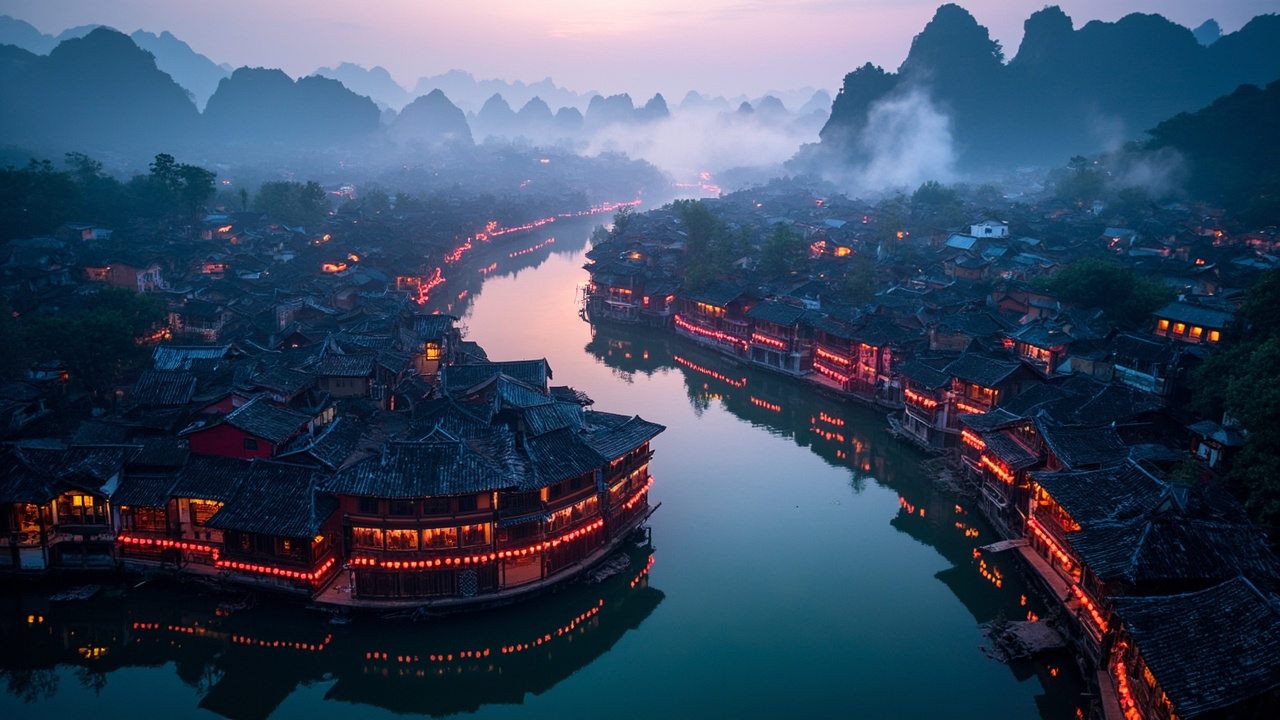
The rain had stopped by the time I reached the top of the stone steps, but the air was still thick with it, that particular smell of wet flagstone and river silt and wood smoke that I now associate with Zhenyuan. Below me, the Wuyang River bent around the town in a lazy S-curve, its green water carrying the reflection of stilted houses that have stood there for centuries. A woman in a blue apron was beating a rug on her balcony. Two old men played chess under a pagoda roof, ignoring the tourists entirely. I had come for the famous night lights, but it was this quiet afternoon moment, the town just going about its business, that I remember most clearly.
Zhenyuan is not Guizhou’s biggest draw. That would be the rice terraces of Zhaoxing or the waterfall at Huangguoshu. But for a first-time visitor to China who wants to see what an ancient river town actually feels like, without the commercial gloss of Phoenix or the crowds of Lijiang, Zhenyuan is the better choice. It is a working town that happens to be old, not a theme park dressed up as history. This guide covers the ten things I think are worth your time, how to get there, what it costs, and the mistakes I made so you do not have to.
You will get specific prices, real transport details, and honest opinions about what to skip. I have been to Zhenyuan three times, most recently in late 2025, and I have updated everything for 2026 travel.
Quick answer
Zhenyuan Ancient Town is a 2,200-year-old riverside town in eastern Guizhou Province, about 4 hours by high-speed train from Guiyang, with entry to the old town itself free and individual sights costing $3-8 (CNY 20-60). Most international visitors can enter China visa-free for up to 30 days through the 2024-2025 visa waiver program, which has been extended through 2026. The best time to visit is April-May or September-October, when the weather is mild and the river is at its most photogenic.
The Short Version
Zhenyuan is a two-day stop, not a week-long destination. The old town is compact, walkable, and best experienced in the late afternoon when the tour groups leave and the lanterns come on. The must-dos are the riverside promenade at dusk, the climb up to the Jade Emperor Pavilion for the panorama, and a boat ride on the Wuyang River. Skip the overpriced “ethnic performance” dinners. Eat the sour fish soup. Stay in a riverside guesthouse, not a hotel chain. Bring cash as backup, though WeChat Pay works almost everywhere now.
How I Picked These
I have traveled through Guizhou four times since 2019, and I have been to Zhenyuan three times, most recently in November 2025 when I spent four nights there. I walked every alley in the old town, took the river boat twice, climbed the mountain paths on both sides of the river, and ate at nine different restaurants, including one where I was the only non-Chinese customer. I also talked to guesthouse owners, a boat captain named Uncle Chen, and a shopkeeper who sold me tea I did not need. The recommendations below come from those visits, plus conversations with other travelers and a friend in Guiyang who grew up in nearby Kaili. Prices are what I paid or was quoted in late 2025, adjusted slightly for 2026.
Comparison Table
| Rank | Place | Best For | Approx Cost (USD) | Time Needed | When to Go |
|---|---|---|---|---|---|
| 1 | Wuyang River Boat Ride | Scenery, relaxing | $14-20 (CNY 100-140) | 1.5-2 hours | Morning, clear days |
| 2 | Jade Emperor Pavilion | Panoramic views | $8 (CNY 60) | 1-1.5 hours | Late afternoon |
| 3 | Old Town Alleys | Wandering, photos | Free | 2-3 hours | Early morning |
| 4 | Qinglong Cave Complex | History, architecture | $8 (CNY 60) | 1.5 hours | Weekday mornings |
| 5 | Riverside Promenade at Night | Lanterns, atmosphere | Free | 1 hour | After dark |
| 6 | Wuyang River Gorge Cruise | Dramatic scenery | $28 (CNY 200) | 3-4 hours | Spring, autumn |
| 7 | Heping Village | Rural life, rice fields | Free | Half day | September harvest |
| 8 | Sifang Well | Local culture | Free | 30 minutes | Any time |
| 9 | Zhenyuan Museum | Context, history | $3 (CNY 20) | 1 hour | Rainy days |
| 10 | Night Market Food Stalls | Street food | $5-10 (CNY 35-70) | 1-2 hours | 6-9 PM |
1. Wuyang River Boat Ride - The reason to come
The first time I took this boat, I was skeptical. It looked like a tourist trap, a flat-bottomed boat with red lanterns and a driver who seemed more interested in his phone than the scenery. Then we rounded the first bend and the town disappeared behind a cliff, and I understood. The river cuts through karst limestone, and the gorge walls rise up maybe a hundred meters on either side, covered in ferns and small waterfalls that appear only after rain. The driver turned off the motor and let us drift for a while. It was silent except for birds.
The ride takes you from the old town dock upstream through the narrowest part of the gorge, then back. You see the stilted houses from below, which is the angle they were designed for. The water is clean enough to see fish in the shallows.
Location: Board at the main dock on the south bank, near the New Bridge (Xin Daqiao). Entry fee: $14-20 (CNY 100-140) depending on boat type and season. Opening hours: 8:00 AM to 6:00 PM, boats leave when full, roughly every 20-30 minutes. Getting there: From the old town center, walk south toward the river and follow the promenade east for 5 minutes. The dock is hard to miss. When to visit: Clear mornings. The light is better and the water is calmer. Weekends are busier with domestic tourists. Insider tips: Ask for the boat with the canvas canopy, not the open one, unless you want sunburn. Sit on the left side going upstream for the best views. Bring small bills, the ticket office sometimes struggles with change. The ride is shorter than advertised if the river is low, so ask before you pay. Do not bother with the audio guide, it is mostly static. I sat next to a retired couple from Chengdu who shared their sunflower seeds with me and laughed at my attempts to say “beautiful” in Mandarin.
2. Jade Emperor Pavilion - Worth the climb
The path up to the Jade Emperor Pavilion is not a hike, but it is a climb. Rough stone steps, some of them uneven, switchback up the hillside on the north side of the river. I counted 428 steps, though I may have missed some because I was stopping to catch my breath. The reward is the best view in Zhenyuan, a full panorama of the S-curve river bend, the black-tiled roofs of the old town, and the green mountains beyond. On a clear day you can see the gorge where the boat ride goes.
The pavilion itself is a small Taoist temple, rebuilt several times over the centuries, with a modest incense hall and a courtyard where old men play cards. The view is the attraction, not the building.
Location: North bank of the river, directly opposite the old town center. Entry fee: $8 (CNY 60), includes access to the small temple complex. Opening hours: 8:00 AM to 6:00 PM, last entry 5:30 PM. Getting there: Cross the Xin Daqiao bridge to the north bank, then look for the stone archway marked “Wenbi Pagoda” and follow the path up. When to visit: Late afternoon, about 2 hours before sunset. The light is golden and the tour groups have gone. Insider tips: The steps are slippery after rain, wear shoes with grip. There is a small teahouse halfway up, the owner makes a decent jasmine tea for $1.50 (CNY 10). The pavilion gets crowded at sunset, so go 30 minutes earlier. Bring water, there is no shop at the top. The view is better from the upper terrace, not the pavilion itself. A monk in a grey robe was sweeping the courtyard when I arrived, and he nodded at me without stopping. I have no idea if he was real or hired, but it felt authentic.
3. Old Town Alleys - Getting lost on purpose
Zhenyuan’s old town is a maze of narrow alleys that climb the hillside away from the river. The main streets are commercial, full of souvenir shops and restaurants with laminated menus in four languages. But if you turn up any of the side alleys, within fifty meters you are in a different world. Laundry hangs between buildings. Old women sit on stools shelling beans. A barber trims a customer’s hair on the sidewalk. The buildings are a mix of Ming and Qing dynasty structures, some restored, some crumbling, all with the distinctive black-tiled roofs and white-washed walls of Guizhou architecture.
I spent an entire afternoon wandering these alleys, and I found a small courtyard house that had been converted into a community library, a tofu shop that had been in the same family for five generations, and a cat that followed me for three blocks for no reason.
Location: The hillside area between the river and the ring road, accessible from any street running north from the promenade. Entry fee: Free. Opening hours: Always open, but go in daylight. Getting there: From the river promenade, pick any alley that goes uphill. They all connect eventually. When to visit: Early morning, 7-9 AM, when the town wakes up and before the tour groups arrive. Insider tips: Do not use a map. Getting lost is the point. The alleys are steep, wear comfortable shoes. Some alleys are dead ends, which is fine, just turn around. The best photo spots are the staircases with red lanterns overhead. If you see a door open, it is usually fine to peek inside, but do not enter homes without being invited. I got hopelessly lost and ended up at a small square where a group of women were doing morning exercises to music from a portable speaker. One of them waved at me and said something I did not understand, but she was smiling.
4. Qinglong Cave Complex - The history you came for
The Qinglong Cave Complex is the main historical sight in Zhenyuan, a collection of Taoist, Buddhist, and Confucian temples built into the cliffs on the north bank of the river. The name is misleading, there are no caves, the “cave” refers to the grottoes carved into the rock face. The buildings date from the Ming dynasty, though most have been restored, and they are connected by a series of staircases, bridges, and covered walkways that cling to the cliff.
The complex is genuinely interesting, but it is also the most crowded sight in town. Tour groups come through in waves, and the narrow walkways get congested. Go early or go late.
Location: North bank of the river, west of the Xin Daqiao bridge. Entry fee: $8 (CNY 60), includes access to all the temples. Opening hours: 8:00 AM to 5:30 PM, last entry 5:00 PM. Getting there: Cross the Xin Daqiao bridge and turn left, follow the riverside path for 5 minutes. When to visit: Weekday mornings before 10 AM, or after 3 PM when the tour buses have left. Insider tips: The best views are from the top of the complex, looking back across the river. The “dragon cave” at the back is just a small grotto with a statue, do not expect anything dramatic. The calligraphy inscriptions on the cliff faces are worth reading if you can, some date from the Qing dynasty. There is a small tea house at the top with good views and overpriced drinks. The steps are steep and uneven, hold the railings. A tour guide was explaining the history to a group of schoolchildren, and I stood nearby and listened. She was good, better than the audio guide I had rented.
5. Riverside Promenade at Night - The postcard moment
When the sun goes down, Zhenyuan transforms. The lanterns come on, thousands of them, strung along the riverbanks and hanging from the eaves of the stilted houses. The water reflects them, doubling the light, and the whole town glows red and gold. It is touristy, yes, but it is also genuinely beautiful, and I have seen the same view in dozens of Chinese travel magazines, which tells you something.
The best spot is the promenade on the south bank, between the two bridges. The crowds are thick, but they move, and there are plenty of places to stop and take photos. The bars and restaurants along this stretch are loud and overpriced, but you do not have to go in.
Location: South bank of the river, between Xin Daqiao and the pedestrian bridge. Entry fee: Free. Opening hours: Lanterns come on around 7 PM, stay on until midnight. Getting there: From anywhere in the old town, walk toward the river and follow the crowd. When to visit: 7:30-9 PM, after the dinner rush and before the late-night crowd. Insider tips: The best photos are from the pedestrian bridge, which gives you a straight-on view of the lanterns reflecting in the water. The north bank is quieter and has fewer people, but the view is less iconic. Do not buy the floating lanterns, they are just paper boats with candles and they end up in the river. The ice cream shops along the promenade sell a local specialty, rice wine ice cream, which sounds weird but works. I stood on the pedestrian bridge for twenty minutes, just watching the lights and the water and the people. A young couple asked me to take their photo, and I did, and they insisted on taking mine in return.
6. Wuyang River Gorge Cruise - The longer version
If you have a full day, the longer gorge cruise is worth the money. It takes you downstream from Zhenyuan through the Wuyang River Gorge, a 25-kilometer stretch of karst scenery that is more dramatic than the short ride. The cliffs are higher, the water is greener, and there are fewer boats. The cruise includes a stop at a small village where you can walk around for an hour before continuing.
The boat is larger than the short-ride boats, with a covered deck and seats. It is comfortable, but it is also slower, and the full trip takes 3-4 hours depending on water levels.
Location: Departs from the same dock as the short ride, but goes downstream. Entry fee: $28 (CNY 200), includes the village stop. Opening hours: Departures at 8:30 AM and 1:30 PM, daily in peak season. Getting there: Same dock as the short ride, but look for the larger boats with the covered decks. When to visit: Spring and autumn, when the water is high enough for the full route. In summer, the gorge can be closed if the river is too low. Insider tips: Book the morning departure, the afternoon boat can run late. Bring a jacket, it is cold on the water even in summer. The village stop has a small restaurant that serves decent local food, but the portions are small, so eat before you go. The best views are from the bow, but you will get wet if it rains. The boat has a toilet, but it is basic. The captain, a man in his sixties named Uncle Chen, told me through a fellow passenger that he had been running boats on this river for thirty years. He pointed out a rock formation that he said looked like a sleeping Buddha, and he was right.
7. Heping Village - A step back
Heping Village is not in any guidebook, and that is why I am telling you about it. It is a small Miao village about 20 minutes by bus from Zhenyuan, up in the hills. There is no ticket booth, no souvenir shops, no English signs. Just rice terraces, wooden houses, and a way of life that has not changed much in a hundred years.
I went because a guesthouse owner told me about it, and I was the only foreigner there. The village has maybe a hundred households, and the main street is a dirt path that becomes mud when it rains. The people were friendly, curious, and utterly unbothered by my presence. I sat on a stone wall and watched a farmer plow his field with a water buffalo, and I thought about how far I was from my own life.
Location: About 20 minutes by bus from Zhenyuan bus station, direction Huangping. Entry fee: Free. Opening hours: Always open, but go in daylight. Getting there: Take bus number 2 from Zhenyuan bus station, get off at the Heping stop, walk 10 minutes uphill. The bus costs $0.70 (CNY 5). When to visit: September, during the rice harvest, when the terraces are golden. Insider tips: The bus is infrequent, check the return time before you get off. Bring water and snacks, there is no shop in the village. The villagers speak a Miao dialect, not Mandarin, so a translation app will not help. Do not take photos of people without asking first. The walk up from the bus stop is steep, allow 20 minutes. An old woman in traditional Miao clothing, with a silver headdress and a blue embroidered jacket, came out of her house and gestured for me to sit on her porch. She brought me a cup of tea and we sat in silence for ten minutes, and it was one of the best moments of my trip.
8. Sifang Well - The local gathering spot
The Sifang Well is not a tourist sight, it is a working well in the middle of the old town, and it has been there for centuries. The water comes from an underground spring, and it is still used by locals for washing vegetables, filling kettles, and cooling off in the summer. There is a small square around the well, shaded by a large tree, and it is a gathering spot for the neighborhood.
I sat there for an hour one afternoon, watching the rhythm of the place. A woman washed a bundle of greens. A man filled a plastic bottle and drank from it. Two children splashed each other with the overflow. It was ordinary, and it was perfect.
Location: In the old town, on the north side, near the intersection of the main street and the alley to the Jade Emperor Pavilion. Entry fee: Free. Opening hours: Always open. Getting there: From the river promenade, walk north on the main street for 5 minutes, the well is on the left. When to visit: Late afternoon, when the locals come to collect water for dinner. Insider tips: The water is safe to drink, but I would stick to bottled water. The square is a good place to sit and people-watch. There is a small shop next to the well that sells cold drinks. Do not throw coins in the well, it is not a wishing well, and the locals will think you are strange. A woman who was filling her water bottle smiled at me and said something that I think was “hello” in the local dialect. I smiled back, and she went on her way.
9. Zhenyuan Museum - For the rainy day
Zhenyuan has a small museum that is worth an hour if you want context for what you are seeing. It is housed in a restored Qing dynasty building, and the exhibits cover the town’s 2,200-year history, from its founding as a military outpost to its role as a trading hub on the ancient salt route. The displays are in Chinese, but there are English labels on the main exhibits, and the building itself is worth the visit.
The museum is not a must-see, but it is a good way to understand why Zhenyuan looks the way it does.
Location: On the main street of the old town, near the south bank. Entry fee: $3 (CNY 20). Opening hours: 9:00 AM to 5:00 PM, closed Mondays. Getting there: From the river promenade, walk north on the main street for 3 minutes, the museum is on the right. When to visit: Rainy days, or as a break from the heat in summer. Insider tips: The museum is small, 45 minutes is enough. The building’s courtyard is a nice place to sit. The gift shop has some decent books about Guizhou, but they are in Chinese. The staff are friendly and will try to help even if they do not speak English. The woman at the ticket desk was reading a novel when I arrived, and she looked genuinely surprised to see a foreigner. She gave me a map of the museum and pointed me toward the stairs.
10. Night Market Food Stalls - Eat like a local
The night market in Zhenyuan is not as famous as the ones in bigger cities, but it is more authentic. The stalls set up along the main street of the old town around 6 PM, and they sell the usual Chinese street food, grilled skewers, fried tofu, stinky tofu (which smells worse than it tastes), and the local specialty, sour fish soup. The soup is the thing to try, a Guizhou classic made with pickled tomatoes, river fish, and a sour broth that is the region’s signature flavor.
I ate at a stall run by a woman who had been there for twenty years, and she made me a bowl of sour fish soup that was the best I had in China. It was sour, spicy, and deeply savory, and I asked for a second bowl.
Location: Main street of the old town, south bank, from the pedestrian bridge to the Xin Daqiao. Entry fee: Free to walk around, food costs $1-5 (CNY 7-35) per item. Opening hours: 6 PM to midnight. Getting there: From anywhere in the old town, follow the smell of grilled meat. When to visit: 7-9 PM, when the stalls are fully set up but before the late-night crowd. Insider tips: The sour fish soup is the must-try, but the grilled river fish is also good. Do not be afraid of the stinky tofu, it tastes better than it smells. The stalls do not have English menus, so use a translation app or point at what other people are eating. Bring cash, some stalls do not take WeChat Pay. The food is spicy, so ask for “bu la” (not spicy) if you cannot handle heat. The woman who ran the stall, whose name I never learned, saw me struggling with my chopsticks and came over to show me the proper technique. She laughed at me, but she was kind about it.
FAQ summary
Zhenyuan Ancient Town in Guizhou Province is a 2,200-year-old river town with free entry to the old town itself, individual sights costing $3-8 (CNY 20-60), and a high-speed rail connection from Guiyang taking about 4 hours with tickets from $25 (CNY 180). The best time to visit is April-May or September-October, and most international visitors can enter China visa-free for up to 30 days under the policy extended through 2026. The top experiences are the Wuyang River boat ride, the Jade Emperor Pavilion climb, and the riverside promenade at night, with the sour fish soup at the night market being the must-try local dish.
FAQ
Q: Do I need a visa to visit Zhenyuan Ancient Town in 2026? A: Most international visitors can enter China visa-free for up to 30 days under the visa waiver program, which has been extended through 2026. Check with your local Chinese embassy or consulate for the latest rules, as eligibility depends on your nationality and passport.
Q: How do I get to Zhenyuan from Guiyang? A: Take the high-speed train from Guiyang North Station to Zhenyuan Station, which takes about 4 hours and costs $25-40 (CNY 180-280) for second class. From the station, take a taxi to the old town, about 15 minutes and $4-6 (CNY 30-40).
Q: How many days should I spend in Zhenyuan? A: Two days and one night is the ideal amount. One day for the old town and the boat ride, one day for the gorge cruise or a trip to a nearby village. Anything more is too long, anything less is rushed.
Q: Is English widely spoken in Zhenyuan? A: No. English is rarely spoken outside of the main hotels and tourist restaurants. Download a translation app like Pleco or Google Translate before you go, and have your hotel write down key phrases in Chinese.
Q: Do I need cash in Zhenyuan, or is mobile payment enough? A: WeChat Pay and Alipay work almost everywhere in Zhenyuan, but bring some cash as backup. Some small stalls and the bus to Heping Village only take cash. Set up WeChat Pay or Alipay before you arrive in China, as it requires a foreign card.
Q: What is the best time of day to see the old town? A: Early morning, around 7-9 AM, when the tour groups have not arrived and the town is going about its daily life. The lanterns at night are beautiful, but the crowds are heavy.
Q: Is Zhenyuan suitable for travelers with limited mobility? A: Partially. The riverside promenade and main streets are flat and accessible, but the alleys, the Jade Emperor Pavilion, and the Qinglong Cave Complex all involve steep stairs. If you have mobility issues, stick to the river level and take the boat ride.
The Honest Wrap-up
Zhenyuan is not a hidden gem. It is a tourist town, and it knows it. But it is a tourist town with a real life underneath, and if you are willing to wander away from the main streets, you will find it. This guide is for the traveler who wants to see an ancient Chinese river town without the chaos of Phoenix or the commercialism of Lijiang. It is not for the traveler who wants luxury, nightlife, or a week of activities, Zhenyuan is a two-day town, and it does not pretend to be more.
If you are planning a trip to Guizhou, make Zhenyuan a stop, not a destination. Pair it with the terraces at Zhaoxing or the waterfall at Huangguoshu, and you will have a varied itinerary. My final advice, the thing I would tell a friend: go in the off-season, stay in a riverside guesthouse, and do not overplan. The best moments in Zhenyuan are the ones you stumble into, the old woman on her porch, the cat that follows you, the bowl of sour fish soup that you will think about for months.
More guides you may like
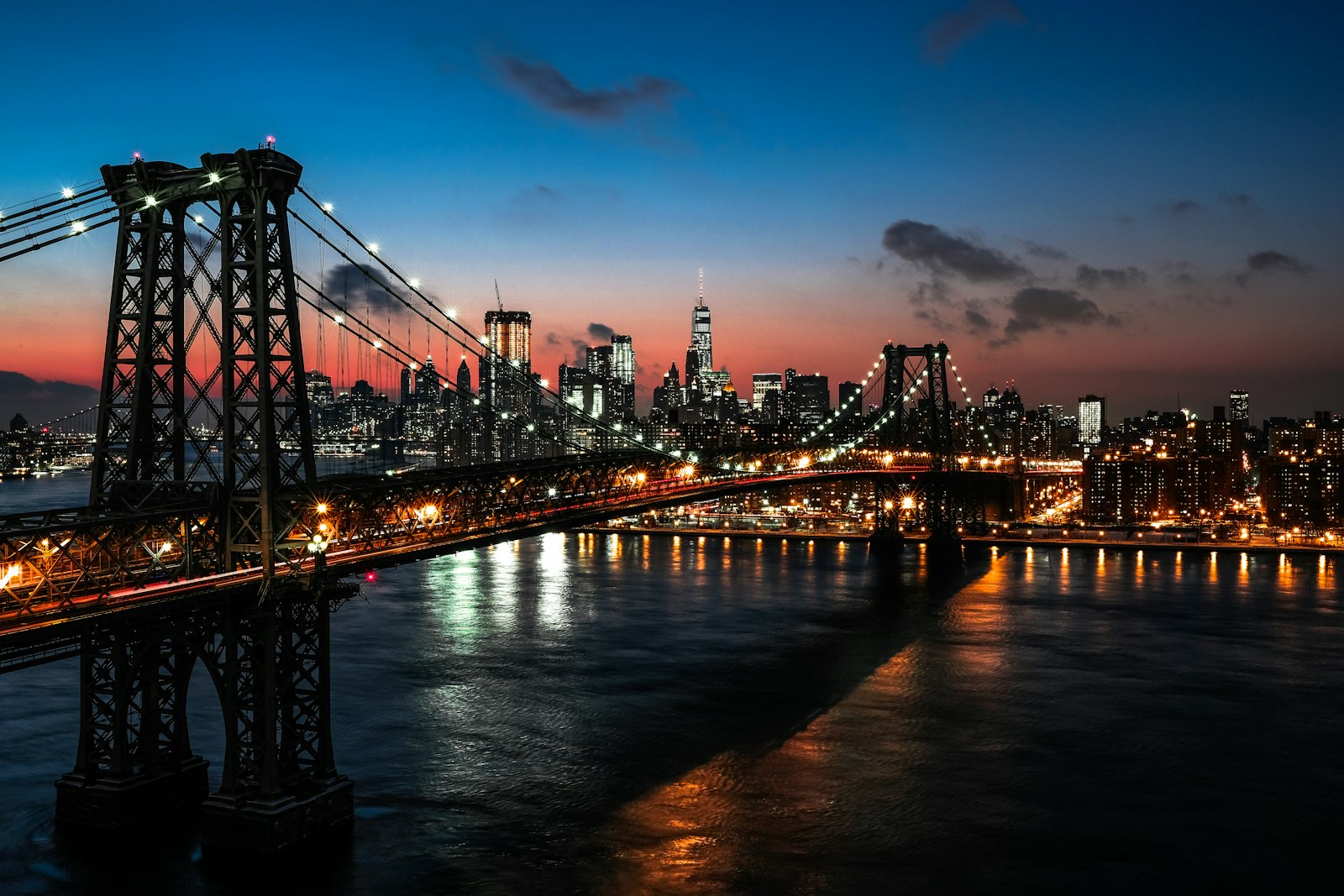
Top 10 Bridges in China: The Complete 2026 Guide
China's bridges are engineering marvels spanning mountains, rivers, and seas. Here are 10 of the most spectacular, from ancient stone to modern steel.
8 min read

Top 10 Buddhist Sites in China: The Complete 2026 Guide
From the Leshan Giant Buddha to the Dunhuang Caves, these 10 Buddhist sites represent 2,000 years of China's spiritual heritage.
9 min read
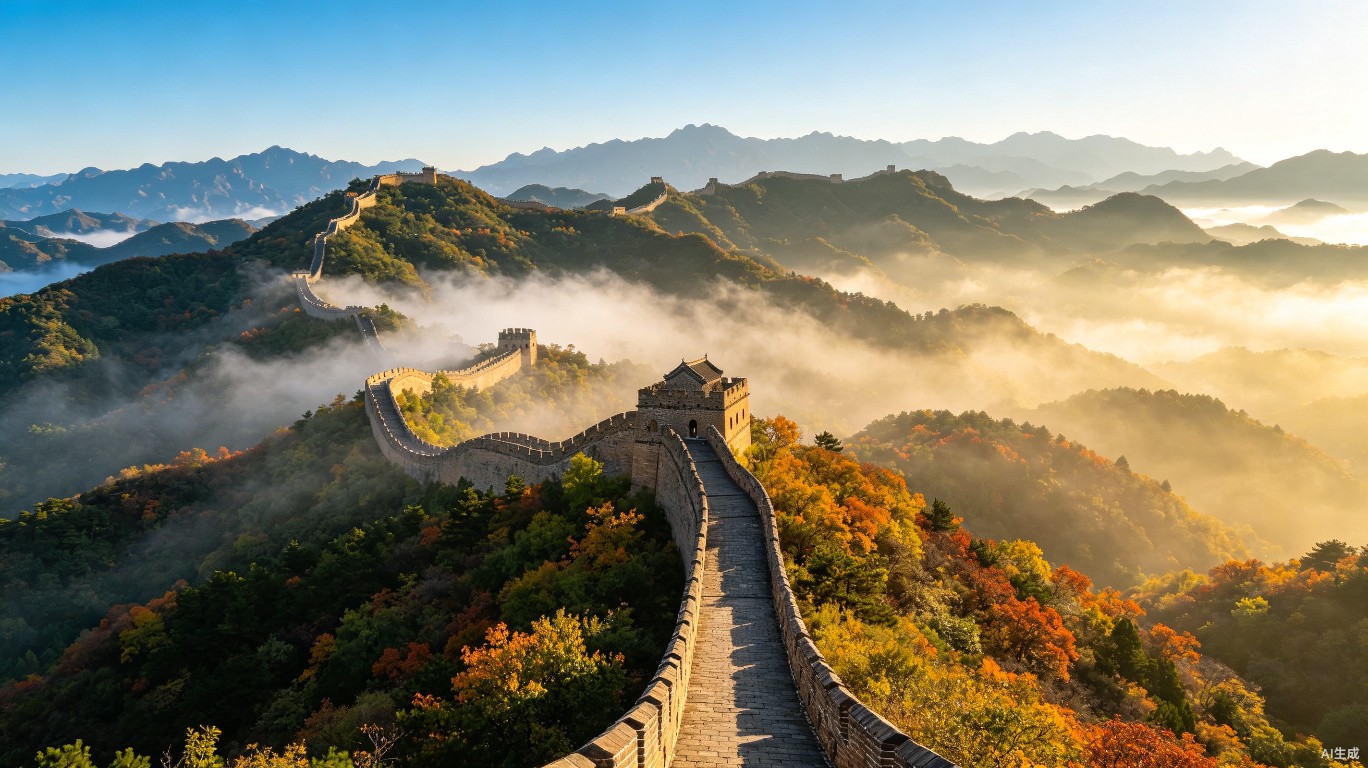
Top 10 Day Trips from Beijing You Shouldn't Miss: The Complete 2026 Guide
Beijing is packed with history, but some of China's best experiences are just a few hours away. Here are 10 day trips that will transform your visit.
9 min read
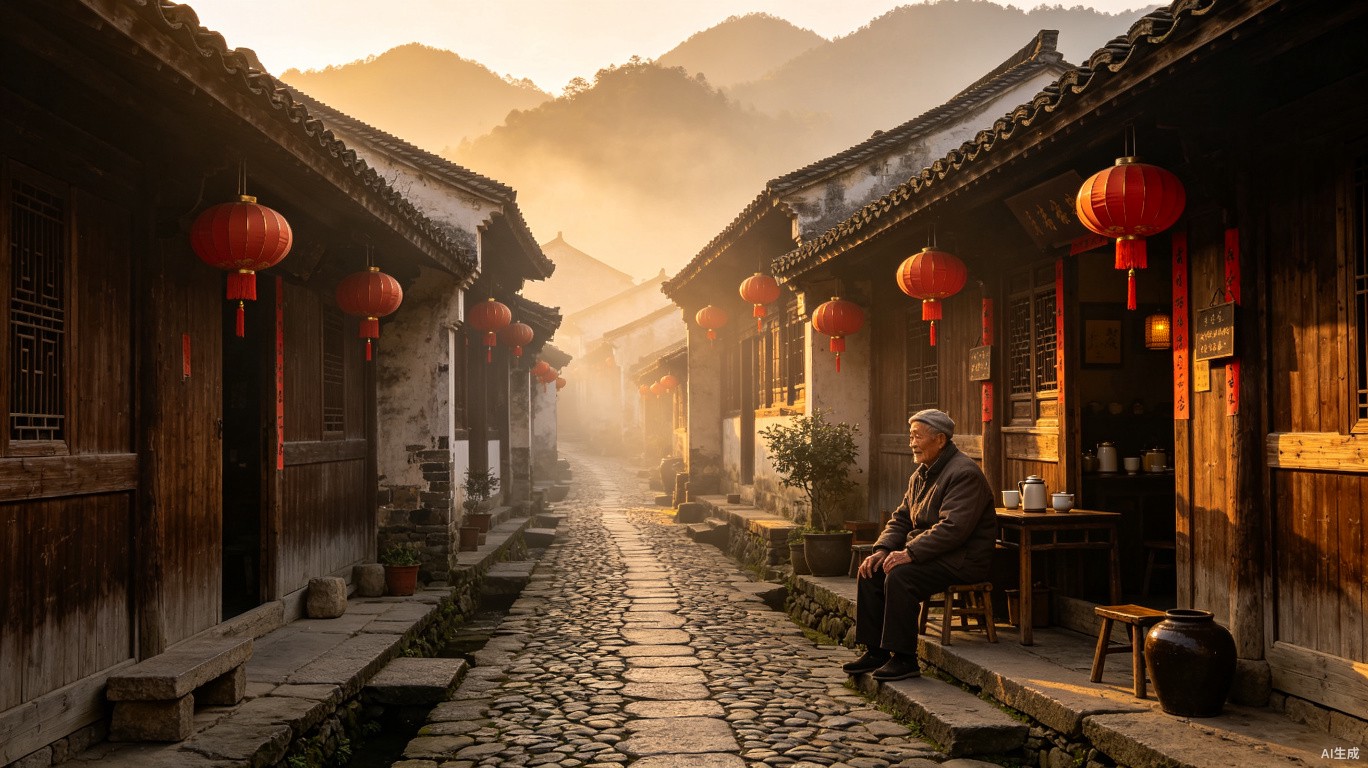
Top 10 Hidden Gems in China Off the Beaten Path: The Complete 2026 Guide
Beyond the Great Wall and Terracotta Warriors, China has incredible hidden destinations few tourists ever reach. Here are 10 underrated gems worth the detour.
9 min read
Top 10 Markets and Shopping Streets in China: The Complete 2026 Guide
From Shanghai's Bund to Beijing's Silk Street - 10 markets where foreigners can haggle, explore, and bring home authentic Chinese goods.
9 min read
Top 10 Museums in China You Shouldn't Miss: The Complete 2026 Guide
China's museums span 5,000 years of civilization. These 10 - from the Palace Museum to Xi'an's terracotta gallery - are unmissable for culture lovers.
9 min read