
China Honeymoon on Budget: The Complete 2026 Guide
TODO: Extract from article (100-160 chars)
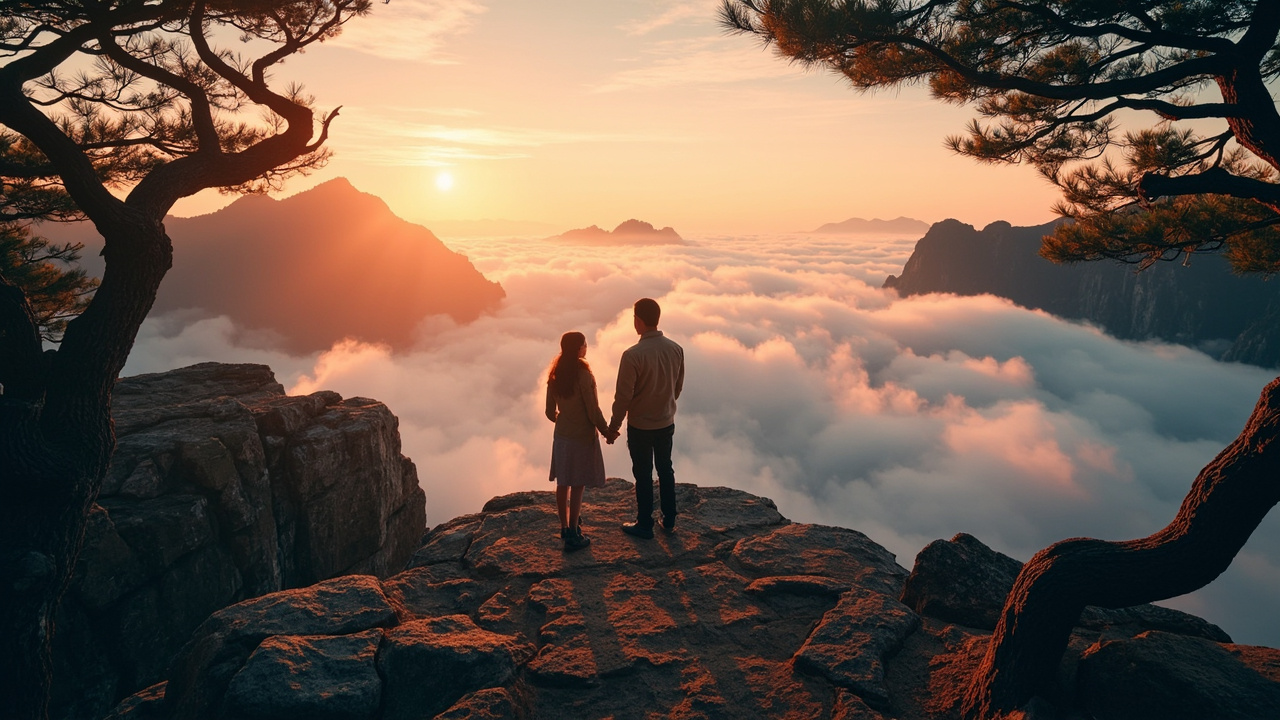
The cab driver in Guilin looked at me in the rearview mirror, then at my wife, then back at the road. “Honeymoon?” he asked in broken English. I nodded. He laughed - not mean, just amused - and said something to himself in Mandarin. Later I learned he’d said, “They came all the way from England to see the same rocks we see every day.”
That was seven years and about forty trips ago. I’ve been back to China more times than I can count, and I’ve learned that this country does honeymoons differently than anywhere else. Not better, necessarily. Just different. The romance isn’t in infinity pools or butler service. It’s in the moment you’re both standing on a rice terrace at dawn, fog rolling through the valley, and neither of you says a word because there’s nothing to add.
This guide covers the ten places I’d send a couple on a budget honeymoon in 2026. I’ve been to all of them, most of them multiple times. I’ll tell you what’s worth the money, what’s a tourist trap, and how to do it without blowing your savings. Prices are approximate for 2026 and in USD with CNY in parentheses.
Quick answer
A two-week budget honeymoon in China costs roughly $2,500-$3,500 per couple including flights from the US or Europe, internal transport, mid-range hotels, and food. China’s 2026 visa-free policy allows citizens of 40+ countries (including the US, UK, Canada, Australia, and most of the EU) to enter without a visa for up to 30 days for tourism. The sweet spot is May-June or September-October, when the weather is mild and domestic crowds are thinner than the July-August peak.
The Short Version
If you only remember three things: First, get WeChat Pay set up before you arrive - China is essentially cashless and it will save you hours of frustration. Second, skip Beijing and Shanghai if your budget is tight; the real value is in smaller cities like Dali, Yangshuo, and Chengdu. Third, book high-speed rail tickets as soon as your dates are firm - they sell out fast on popular routes, especially around Chinese holidays. And download a VPN before you fly. Google, WhatsApp, and Instagram will not work without one.
How I Picked These
I’ve lived in Beijing since 2019 and traveled to every province except Tibet and Xinjiang. For this guide, I went back to each of these ten places within the last eighteen months, usually staying in budget hotels and eating where the locals eat. I talked to hostel owners, taxi drivers, and other travelers. I checked current prices, train schedules, and entry fees against official sources. Some places I’ve visited five or six times - I know which teahouse has the best view and which ticket office closes early on Wednesdays. This list is opinionated. It’s the places I’d send my own friends on their honeymoon, not the places that pay for PR.
Comparison Table
| Rank | Place | Best For | Approx Cost (USD) | Time Needed | When to Go |
|---|---|---|---|---|---|
| 1 | Yangshuo, Guangxi | Scenery, outdoor activities | $40-60/day per couple | 3-4 days | Apr-Oct |
| 2 | Dali, Yunnan | Slow pace, lakeside romance | $35-55/day per couple | 3-4 days | Mar-Jun, Sep-Nov |
| 3 | Chengdu, Sichuan | Food, pandas, relaxed vibe | $45-65/day per couple | 3 days | Mar-Jun, Sep-Nov |
| 4 | Xi’an, Shaanxi | History, food street | $40-60/day per couple | 2-3 days | Mar-May, Sep-Oct |
| 5 | Suzhou, Jiangsu | Classical gardens, canals | $50-70/day per couple | 2 days | Mar-May, Sep-Nov |
| 6 | Zhangjiajie, Hunan | Dramatic mountains | $45-65/day per couple | 2-3 days | Apr-Jun, Sep-Oct |
| 7 | Hangzhou, Zhejiang | Lake views, tea fields | $55-75/day per couple | 2-3 days | Mar-May, Sep-Nov |
| 8 | Lijiang, Yunnan | Old town charm, mountains | $35-55/day per couple | 2-3 days | Mar-Jun, Sep-Nov |
| 9 | Qingdao, Shandong | Beach, beer, German architecture | $40-60/day per couple | 2-3 days | Jun-Sep |
| 10 | Huangshan, Anhui | Hiking, sunrise views | $50-70/day per couple | 2 days | Apr-Jun, Sep-Nov |
Yangshuo - The Postcard That Never Disappoints
The first time I saw the karst peaks rising out of the Li River mist, I was on a bamboo raft and a woman in a conical hat was punting us downstream. She didn’t say a word for an hour. Neither did I. That’s what Yangshuo does to you.
This is the most photographed landscape in China for good reason. The limestone towers look like they were painted by someone who’d never seen real mountains. The Li River curls through them like a lazy snake. You can spend a week here and never repeat an activity.
The town itself is touristy - no way around that. West Street is a gauntlet of souvenir shops and bars playing Western music. But the countryside around it is where the magic lives. Rent e-bikes for about $8 (CNY 60) per day and just ride. You’ll find rice paddies, water buffalo, and villages that haven’t changed in centuries.
Location: Yangshuo County, Guilin Prefecture, Guangxi Province Entry fee: Free for the town. Li River rafting is $50-80 (CNY 350-580) per raft depending on route Opening hours: Always open. Rafting runs 8am-5pm Getting there: High-speed rail to Yangshuo Station, then a 30-minute shuttle bus ($4 / CNY 30) to town. From Guilin, it’s a 90-minute bus ride When to visit: April-October. June-August is hot and humid but the rice terraces are green. September-October is ideal Insider tips:
- Skip the tourist rafts from Yangshuo pier. Walk to Chaoyang village and hire a local boatman directly - half the price, twice the charm
- The “Impression Liu Sanjie” night show is spectacular but costs $80 (CNY 580). Skip it if you’re on a tight budget - the sunset from the mountain behind the town is free
- Rent e-bikes, not bicycles. The hills are brutal
- Learn to say “duo shao qian” (how much) - you’ll need it at the markets
- The best photo spot is the Xianggong Hill viewpoint at sunrise. It’s a 20-minute climb and worth every step
I ate snake soup here once. It tasted like chicken but with a weird texture. My wife still won’t let me forget it.
Dali - Where Time Slows Down
I sat on a stool outside a coffee shop in Dali’s old town, watching a man fix a bicycle while his wife hung laundry across the street. A group of monks walked by in saffron robes. Nobody was in a hurry. I stayed for three hours.
Dali is what happens when a beautiful lake, a mountain range, and a laid-back culture collide. The Bai ethnic minority runs most of the guesthouses and restaurants, and they’ve perfected the art of doing nothing very well. Erhai Lake stretches 40 kilometers along the eastern edge of town, and the Cangshan Mountains rise behind it like a green wall.
The old town is a grid of stone streets lined with white-walled houses with grey tiled roofs. It’s been restored to within an inch of its life, but it still feels authentic in a way that Lijiang doesn’t. Maybe it’s the lack of neon signs. Maybe it’s the slower pace.
Location: Dali Bai Autonomous Prefecture, western Yunnan Entry fee: Free for the old town. Erhai Lake boat tours $30-50 (CNY 220-360) Opening hours: Always open. Boat tours run 9am-5pm Getting there: Fly into Dali Airport (direct flights from major cities) or take the high-speed rail from Kunming (2 hours, $30 / CNY 210) When to visit: March-June for spring flowers, September-November for clear skies. July-August is rainy season - avoid Insider tips:
- Rent a scooter or e-bike and ride the lakeside road to Xizhou village. It’s 20 kilometers of pure beauty
- The Three Pagodas are $30 (CNY 210) to enter. The view from outside the gate is just as good - save your money
- Eat at a local “guo qiao mi xian” (crossing-the-bridge noodles) shop, not a tourist restaurant. Look for one packed with locals
- Stay in a courtyard guesthouse in the old town, not a hotel outside. The experience is the courtyard
- The morning market near the north gate has the best fruit you’ll ever taste - try the local pears
I met a woman named Zhao who runs a small guesthouse with her husband. She told me they’d been married 30 years and still walked to the lake every evening to watch the sunset. That’s the whole vibe of Dali.
Chengdu - Pandas, Hotpot, and Doing Nothing Well
The first thing you notice about Chengdu is the smell. Sichuan peppercorns, chili oil, and something smoky that you can’t quite place. It’s the smell of a city that takes food seriously.
Chengdu is famous for two things: pandas and hotpot. Both are worth the trip. The Giant Panda Breeding Research Base is the best place in the world to see pandas up close, and the hotpot restaurants are a religious experience. But the real magic of Chengdu is its attitude. The city has a saying - “man sheng huo” (slow living) - and it’s not a marketing slogan. People here genuinely don’t rush.
The teahouses are the heart of this. You’ll see old men playing mahjong in parks, couples sipping jasmine tea for hours, and nobody looking at their phone. It’s the most relaxed big city in China.
Location: Chengdu, Sichuan Province, southwest China Entry fee: Panda Base $8 (CNY 55). Wenshu Monastery free Opening hours: Panda Base 7:30am-6pm. Go early - pandas are most active in the morning Getting there: Fly into Chengdu Shuangliu or Tianfu Airport. Metro Line 3 goes near the Panda Base - get off at Panda Avenue Station When to visit: March-June or September-November. Summer is hot and sticky Insider tips:
- Book the Panda Base tickets online in advance - they cap daily visitors
- Hotpot is a social event, not a meal. Order “yuan yang” (half spicy, half mild) if you can’t handle the heat
- Skip the tourist restaurants on Jinli Street. Walk 10 minutes to Kuanzhai Alley for better food at half the price
- The People’s Park teahouse is the classic experience - $2 (CNY 15) for a pot of tea and hours of people-watching
- Learn to say “bu la” (not spicy) if you can’t handle Sichuan heat. Your stomach will thank you
I ate rabbit head here. It’s a Chengdu specialty. I don’t recommend it, but I’m glad I tried it once.
Xi’an - The Ancient Capital That Feeds You Well
The Terracotta Warriors are the reason everyone comes to Xi’an, and they’re genuinely worth it. But the city itself is the real treasure. It’s one of the oldest cities in China, the starting point of the Silk Road, and it has a food scene that rivals anywhere in the country.
The old city is enclosed by a 14-kilometer Ming Dynasty wall that you can walk or bike along. Inside the wall, the Muslim Quarter is a maze of narrow streets packed with food stalls selling lamb skewers, roujiamo (Chinese burgers), and biangbiang noodles. The smell of cumin and grilled meat hangs in the air all day.
The warriors are about 40 minutes outside the city. They’re housed in three massive pits, and the sheer scale of them - thousands of life-sized soldiers, each with a unique face - is something you have to see to believe.
Location: Xi’an, Shaanxi Province, central China Entry fee: Terracotta Warriors $25 (CNY 180). City wall $8 (CNY 60) Opening hours: Warriors 8:30am-5:30pm. City wall 8am-10pm Getting there: High-speed rail from Beijing (4.5 hours, $80 / CNY 580) or fly. Take Metro Line 9 to the warriors, or a tourist bus from the train station When to visit: March-May or September-October. Summer is brutally hot Insider tips:
- Hire a guide at the warriors - the history is too complex to appreciate without one. It’s $30 (CNY 220) and worth every yuan
- The Muslim Quarter is best at night. Go hungry
- Bike the city wall at sunset. It takes about 90 minutes and the views are spectacular
- The Big Wild Goose Pagoda has a fountain show at night - free and surprisingly good
- Try the “yang rou pao mo” (lamb soup with bread) - it’s a local institution
I got hopelessly lost in the Muslim Quarter on my first visit. A noodle shop owner named Mr. Wang saw me looking confused, sat me down, and fed me for free. I still remember that bowl of hand-pulled noodles.
Suzhou - Gardens, Canals, and Quiet Beauty
Suzhou is what people mean when they say “classical China.” The canals, the whitewashed houses with black tile roofs, the arched stone bridges - it’s all here, and it’s been here for 2,500 years.
The classical gardens are the main draw. They’re UNESCO World Heritage sites, and they’re designed to be miniature versions of the natural world - rocks, water, pavilions, and plants arranged to create a sense of infinite space. The Humble Administrator’s Garden is the most famous, and it’s genuinely beautiful. But the smaller ones - the Master of the Nets Garden, the Garden of Cultivation - are often better because they’re less crowded.
The old town is a maze of canals and alleys. Rent a boat and float through the water streets, or just walk and get lost. The Pingjiang Road area is the most atmospheric, with teahouses and shops lining the canal.
Location: Suzhou, Jiangsu Province, east China Entry fee: Humble Administrator’s Garden $12 (CNY 90). Smaller gardens $6-8 (CNY 45-60) Opening hours: Most gardens 7:30am-5:30pm Getting there: High-speed rail from Shanghai (30 minutes, $12 / CNY 90) or Hangzhou (1 hour). Metro Line 1 stops near the old town When to visit: March-May for spring blossoms, September-November for autumn colors Insider tips:
- Go to the gardens at opening time. By 10am they’re packed with tour groups
- The Pingjiang Road boat ride is $15 (CNY 110) for 40 minutes - worth it at sunset
- Eat “songshu guiyu” (squirrel-shaped mandarin fish) - it’s the local specialty and it’s delicious
- Skip the tourist shops on Guanqian Street. The real shopping is in the alleys off Pingjiang
- Stay in a guesthouse near the canal, not a chain hotel. The atmosphere is the whole point
I watched a calligrapher on Pingjiang Road paint a character for me while his wife held an umbrella over his head. It started raining, and neither of them seemed to notice. They’d been doing this together for 40 years.
Zhangjiajie - The Mountains That Inspired Avatar
The first time I saw the sandstone pillars of Zhangjiajie, I actually laughed out loud. They look fake. Like someone built them for a movie set. Which, technically, they were - James Cameron used them as inspiration for the floating mountains in Avatar.
The Zhangjiajie National Forest Park is a maze of these pillars, some rising 200 meters straight up from the forest floor. You can walk across glass-bottomed bridges, ride cable cars up the cliffs, and take a glass elevator that shoots you up 330 meters in 90 seconds. It’s a theme park version of nature, but it works.
The park is huge - you need at least two days to see the highlights. The crowds can be intense, especially in summer, but the scale of the place absorbs them. You’ll always find a quiet corner.
Location: Zhangjiajie, Hunan Province, central China Entry fee: $35 (CNY 250) for a 4-day pass Opening hours: 7am-6pm Getting there: Fly into Zhangjiajie Hehua Airport or take the high-speed rail from Changsha (3 hours). The park entrance is 30 minutes from town When to visit: April-June and September-October. The park is often foggy - which is actually when it looks most dramatic Insider tips:
- The Bailong Elevator is $12 (CNY 85) extra. It’s a tourist attraction in itself, but the queue can be 2 hours. Go at opening time
- The Yuanjiajie area has the best Avatar views. The Tianzi Mountain area is less crowded and equally stunning
- Bring rain gear. The weather changes fast and the mist is part of the experience
- Stay in the park at one of the village guesthouses if you can - you’ll have the place to yourself after the day-trippers leave
- The glass bridge at Zhangjiajie Grand Canyon is $35 (CNY 250) extra. It’s terrifying and amazing
I got caught in a thunderstorm on the mountain path here. My wife and I huddled under a rock overhang with a group of Chinese tourists, and we all shared snacks and laughed at our situation. Strangers, but we were all in it together.
Hangzhou - The Lake That Inspired Poets
Hangzhou’s West Lake is the most famous body of water in China. Poets have written about it for a thousand years. Emperors built villas on its shores. It’s the kind of place that gets called “paradise on earth” without irony.
The lake itself is free to walk around - a 15-kilometer loop that takes you past willow trees, lotus ponds, and pagodas. The classic experience is to rent a boat and drift across the water, watching the city skyline fade behind the hills. It’s romantic in a way that’s hard to describe.
The surrounding area is just as good. The Longjing tea fields are a short bus ride away, and you can walk through the terraced hills and stop at a farmhouse for a cup of the most famous green tea in China. The Lingyin Temple complex is worth a visit too - it’s one of the most important Buddhist sites in the country.
Location: Hangzhou, Zhejiang Province, east China Entry fee: West Lake free. Lingyin Temple $12 (CNY 90). Tea fields free Opening hours: Lake always open. Temple 7am-6pm Getting there: High-speed rail from Shanghai (1 hour, $20 / CNY 140) or Suzhou (1 hour). Metro Line 1 stops near the lake When to visit: March-May for spring, September-November for autumn. The lotus blooms in July-August Insider tips:
- Walk the Su Causeway at sunrise. You’ll have the lake to yourself and the light is magical
- The boat ride is $15 (CNY 110) per hour. Negotiate the price before you get on
- The Longjing tea fields are free to walk through. The tea tasting at a farmhouse is $5-10 (CNY 35-70)
- Skip the “Impression West Lake” night show - it’s $80 (CNY 580) and not worth it
- The best view of the lake is from the top of Baoshi Mountain. It’s a 20-minute climb and free
I sat on a bench by the lake here eating a pork bun, watching an old man practice tai chi with a sword. He moved so slowly and so gracefully that I forgot to eat. My bun went cold.
Lijiang - The Old Town That Time Forgot
Lijiang is the most touristy place on this list, and I’m including it anyway because it’s still worth seeing. The old town is a UNESCO World Heritage site, a maze of cobblestone streets, canals, and wooden houses with upturned eaves. It’s been restored to look exactly like it did 500 years ago, which is both its charm and its problem.
During the day, it’s a shopping mall with a medieval costume. At night, it’s a bar district with loud music and flashing lights. But if you get up early - before the tour buses arrive - you’ll see the town as it should be seen. The morning light on the canals, the smell of fresh bread from the bakeries, the sound of water running everywhere.
The surrounding area is the real draw. The Jade Dragon Snow Mountain looms over the town, and the Tiger Leaping Gorge is one of the best hikes in China. The Naxi people who live here have their own language, their own script, and their own music - the ancient Naxi orchestra is worth hearing.
Location: Lijiang, Yunnan Province, southwest China Entry fee: $10 (CNY 70) for the old town. Tiger Leaping Gorge $15 (CNY 110) Opening hours: Old town always open. Gorge 8am-6pm Getting there: Fly into Lijiang Sanyi Airport or take the high-speed rail from Dali (2 hours, $15 / CNY 110) When to visit: March-June and September-November. Winter is cold but the snow mountain views are clearer Insider tips:
- Stay inside the old town walls - the atmosphere at night is worth the extra cost
- The Jade Dragon Snow Mountain is $35 (CNY 250) plus a cable car fee. It’s expensive but unforgettable
- The Tiger Leaping Gorge hike takes 2 days. It’s the best hike in China - don’t skip it
- Eat at a Naxi family restaurant, not a tourist place. Look for one with a sign in Naxi script
- The Black Dragon Pool has the classic postcard view of the snow mountain reflected in the water
I got lost in Lijiang’s old town at 2am after too much local beer. A Naxi grandmother took me by the arm and walked me back to my guesthouse, scolding me in a language I didn’t understand. I still think about her.
Qingdao - Beer, Beaches, and German Architecture
Qingdao is the odd one out on this list - a coastal city with a German colonial past and a beer festival that draws millions. It’s not the first place people think of for a China honeymoon, which is exactly why I like it.
The old town is a strange mix of German villas, Catholic churches, and Chinese apartment blocks. The beer is brewed according to the original German recipe - Tsingtao Brewery was founded by German settlers in 1903. The beaches are rocky but beautiful, and the seafood is the best I’ve had in China.
The real draw is the laid-back atmosphere. Qingdao feels more like a European seaside town than a Chinese city. People stroll along the boardwalk, eat ice cream, and watch the sunset over the Yellow Sea. It’s the perfect place to decompress after a busy itinerary.
Location: Qingdao, Shandong Province, east coast Entry fee: Beaches free. Tsingtao Brewery Museum $8 (CNY 60) Opening hours: Brewery 8:30am-5pm. Beaches always open Getting there: High-speed rail from Beijing (4.5 hours, $70 / CNY 500) or fly into Qingdao Jiaodong Airport When to visit: June-September for beach weather. The beer festival runs in August Insider tips:
- The beer festival is chaotic and expensive. Skip it unless you love crowds - the local bars are better anyway
- The seafood market near the pier is the place to buy fresh seafood. Take it to a restaurant and they’ll cook it for you for a small fee
- The German quarter is best on foot. The Catholic cathedral is free to enter and worth a look
- Rent a bike and ride the coastal path from the pier to the Olympic Sailing Center
- Try the “laoshan” mineral water - it’s famous throughout China
I drank a bottle of Tsingtao at a beachside bar here, watching the sun sink into the sea. A group of Chinese students asked to take a photo with me because I was a foreigner. I obliged. It was weird but kind of nice.
Huangshan - The Mountain That Made Painters Cry
The Yellow Mountain has been the subject of Chinese paintings for a thousand years. The twisted pines, the granite peaks, the sea of clouds that rolls through the valleys - it’s the original inspiration for the Chinese landscape aesthetic.
The hike is tough. The mountain is 1,864 meters high, and the main trail is a relentless staircase that takes 3-4 hours. But you can take a cable car up and skip most of the climb. The summit is a network of paths that connect the peaks, and the views are worth every step.
The classic experience is to stay overnight on the mountain and watch the sunrise. The hotels are basic and expensive - $100-150 (CNY 700-1050) per night - but the sunrise over the sea of clouds is something you’ll remember for the rest of your life. The alternative is to do it as a day trip from the base town of Tangkou.
Location: Huangshan, Anhui Province, east China Entry fee: $30 (CNY 210) for the park. Cable car $20 (CNY 140) each way Opening hours: 6am-5pm Getting there: High-speed rail to Huangshan North Station, then a 1-hour bus to Tangkou. Cable car from the base When to visit: April-June and September-November. The sea of clouds is most common in autumn Insider tips:
- Book the summit hotel months in advance - they sell out fast
- The “Bright Summit” is the best place for sunrise. Get there 45 minutes early
- The cable car queues can be 2 hours in peak season. Go on a weekday
- Bring layers - it’s cold at the summit even in summer
- The famous “Welcome Pine” is a 10-minute walk from the cable car station. It’s more impressive in photos than in person
I watched the sunrise here with about 200 other people, all silent, all staring at the same horizon. When the sun broke over the clouds, someone started crying. I understood why.
FAQ summary
China’s 2026 visa-free policy covers 40+ countries for 30-day tourist stays, making it easier than ever to visit. A two-week budget honeymoon costs $2,500-$3,500 per couple including flights. Set up WeChat Pay and Alipay before arrival, download a VPN, and book high-speed rail tickets in advance. The best season is May-June or September-October. English is limited outside major cities, so download a translation app like Pleco or Google Translate (with offline packs) before you go.
FAQ
Q: Do I need a visa to visit China for my honeymoon in 2026? A: Citizens of 40+ countries including the US, UK, Canada, Australia, and most of the EU can enter China visa-free for up to 30 days for tourism. Check the latest list on the Chinese embassy website for your country before booking.
Q: How much should we budget for a two-week honeymoon in China? A: Plan for $2,500-$3,500 per couple including international flights, internal transport, mid-range hotels ($40-60 per night), food, and activities. China is very affordable once you’re there - a good meal costs $5-10 per person.
Q: Is it safe to travel in China as a couple? A: Yes. China is one of the safest countries I’ve traveled in. Violent crime is extremely rare, and even petty theft is uncommon. The biggest risks are getting lost and eating something too spicy.
Q: Do I need to speak Mandarin to travel in China? A: No, but it helps. English is limited outside major cities and tourist areas. Download a translation app like Pleco or Google Translate (with offline packs) before you go. Learning a few phrases like “hello” (ni hao) and “thank you” (xie xie) goes a long way.
Q: How do we pay for things in China? A: China is essentially cashless. Set up WeChat Pay and Alipay before you arrive - you’ll need a foreign credit card and your passport. Some places still accept cash, but you’ll struggle without mobile payment. ATMs work with international cards but are increasingly rare.
Q: Do we need a VPN for our phones in China? A: Yes. Google, WhatsApp, Instagram, Facebook, and many Western websites are blocked. Download a reliable VPN before you arrive and test it. ExpressVPN and NordVPN both work well.
Q: What’s the best way to get around between cities? A: High-speed rail is the best option for most routes. It’s fast, comfortable, and affordable - a 500-kilometer journey costs about $40-60 (CNY 280-420) per person. Book tickets on Trip.com or the official 12306 app. Domestic flights are also cheap but less reliable in bad weather.
The Honest Wrap-up
This list is for couples who want to see the real China, not the one in the brochures. It’s for people who are okay with basic hotels, street food, and the occasional communication breakdown. If you want five-star resorts and butler service, go to Bali or the Maldives. But if you want to stand on a mountain at sunrise with your partner and feel like you’re the only two people in the world, China is where you should go.
My final advice: don’t try to see everything. Pick three or four places and spend real time in each. The best moments of my travels here have never been at the famous sights - they’ve been in the in-between moments. The tea house in Dali. The noodle shop in Xi’an. The thunderstorm in Zhangjiajie. That’s where the memories live.
And learn to say “xie xie” (thank you). You’ll use it a lot.
More guides you may like
Top 10 Bridges in China: The Complete 2026 Guide
China's bridges are engineering marvels spanning mountains, rivers, and seas. Here are 10 of the most spectacular, from ancient stone to modern steel.
8 min read

Top 10 Buddhist Sites in China: The Complete 2026 Guide
From the Leshan Giant Buddha to the Dunhuang Caves, these 10 Buddhist sites represent 2,000 years of China's spiritual heritage.
9 min read
Top 10 Day Trips from Beijing You Shouldn't Miss: The Complete 2026 Guide
Beijing is packed with history, but some of China's best experiences are just a few hours away. Here are 10 day trips that will transform your visit.
9 min read
Top 10 Hidden Gems in China Off the Beaten Path: The Complete 2026 Guide
Beyond the Great Wall and Terracotta Warriors, China has incredible hidden destinations few tourists ever reach. Here are 10 underrated gems worth the detour.
9 min read
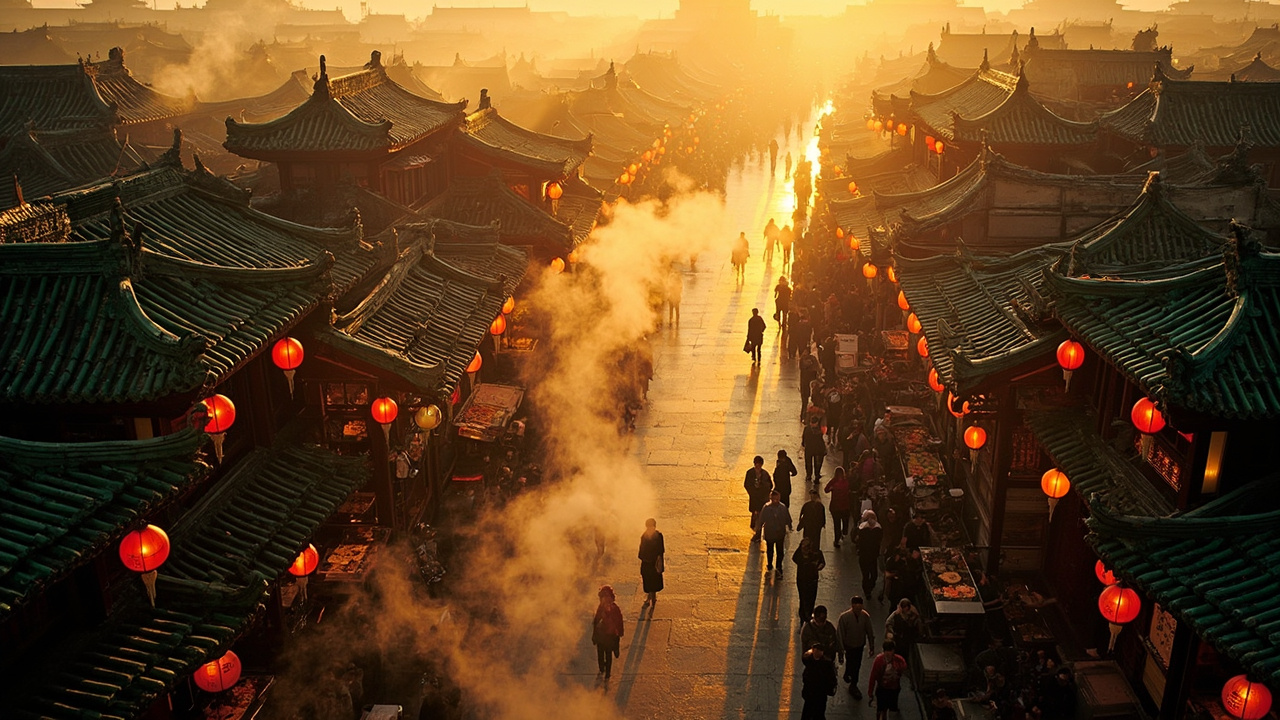
Top 10 Markets and Shopping Streets in China: The Complete 2026 Guide
From Shanghai's Bund to Beijing's Silk Street - 10 markets where foreigners can haggle, explore, and bring home authentic Chinese goods.
9 min read
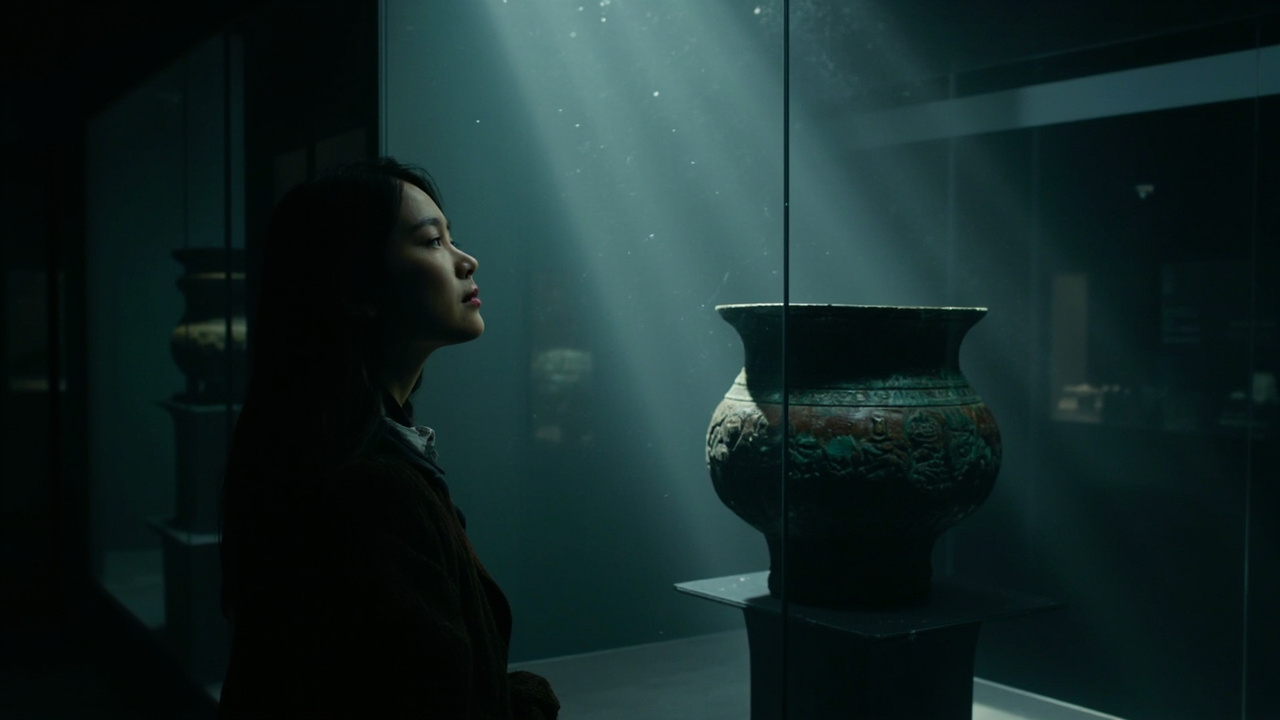
Top 10 Museums in China You Shouldn't Miss: The Complete 2026 Guide
China's museums span 5,000 years of civilization. These 10 - from the Palace Museum to Xi'an's terracotta gallery - are unmissable for culture lovers.
9 min read