
Chinese Breakfast Street Guide: The Complete 2026 Guide
TODO: Extract from article (100-160 chars)
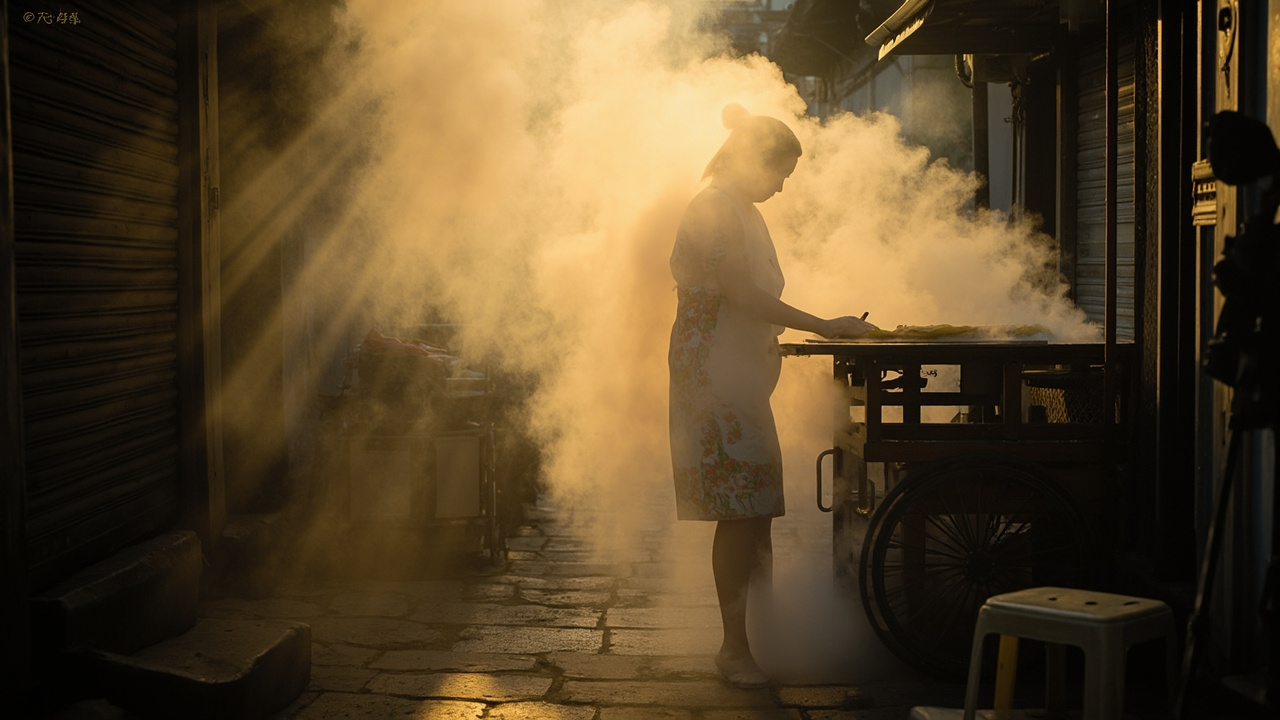
The steam hit me first. Not the smell - the steam. A thick white plume rising off a massive steel drum where a woman in a floral apron was folding crepes with a wooden spatula. It was 6:40 AM in a narrow Beijing hutong, and the temperature had just crossed freezing. The cab driver who dropped me there laughed when I told him I was going to eat breakfast. “You eat like Chinese person,” he said. “Most foreigners wait for lunch.”
He was right. And that’s exactly why I’m writing this.
Chinese breakfast is the country’s most underrated meal. The stuff served between 6 AM and 9 AM isn’t what you’ll find in tourist restaurants. It’s faster, cheaper, and more regional than anything on a dinner menu. It’s also where you’ll actually meet people - the office workers grabbing jianbing on the way to the subway, the retirees who’ve eaten at the same noodle shop for twenty years, the grandmothers buying soy milk in plastic bags to carry home.
This guide covers ten breakfast experiences across China that I’ve eaten at personally, most of them multiple times. I’ve lived in Beijing since 2018 and have made over forty trips around the country. I’ve missed buses, paid tourist prices, and once ate something I still can’t identify. This is what I learned.
Quick answer
Chinese breakfast street food is safe, cheap, and eaten before 9 AM. Expect to pay $1-3 (7-20 CNY) per meal. The best experiences are in residential neighborhoods, not tourist areas. Most vendors accept WeChat Pay or Alipay, but cash works too. You don’t need to speak Chinese - pointing at what others are eating works fine. The 2026 visa-free policy (up to 30 days for most Western passports) makes this easier than ever to experience.
The Short Version
If you only have 90 seconds: skip hotel breakfast. Walk away from the tourist streets until you see a place with plastic stools, steam rising, and no English menu. Point at what someone else is eating. Pay with your phone. Eat it standing up. The best stuff is gone by 9 AM, so set an alarm. You’ll spend less than $3 and eat better than most people in the city that day.
How I Picked These
I ate at roughly sixty breakfast places across China while researching this guide. I went back to the ones that made me want to return. I asked taxi drivers where they ate before their shifts started. I asked hostel receptionists where their parents took them as kids. I asked a retired teacher in Chengdu who was eating noodles at 7 AM why she chose that shop over the one across the street. “The broth,” she said. “The other one uses too much MSG.”
Some places on this list are famous. Some are just good. All of them are places I’d eat at again tomorrow.
Comparison Table
| Rank | Place | Best For | Approx Cost (USD) | Time Needed | When to Go |
|---|---|---|---|---|---|
| 1 | Beijing Jianbing Cart (Hutong) | First-timers, street food | $1.50 (10 CNY) | 15 min | 7-9 AM |
| 2 | Xi’an Roujiamo Stall | Meat lovers, history buffs | $2 (14 CNY) | 20 min | 8-10 AM |
| 3 | Shanghai Shengjianbao Shop | Soup dumpling fans | $2.50 (18 CNY) | 20 min | 7-9:30 AM |
| 4 | Guangzhou Dim Sum Hall | Group dining, tea culture | $5 (35 CNY) | 1-2 hours | 8-11 AM |
| 5 | Chengdu Dandan Noodle Shop | Spice lovers | $2 (14 CNY) | 15 min | 7-10 AM |
| 6 | Wuhan Re Gan Mian Stall | Noodle enthusiasts | $1 (7 CNY) | 10 min | 6-8 AM |
| 7 | Tianjin Jianbing Guozi Cart | Street food purists | $1.50 (10 CNY) | 10 min | 7-9 AM |
| 8 | Kunming Rice Noodle Shop | Light eaters, Yunnan cuisine | $2.50 (18 CNY) | 25 min | 8-10 AM |
| 9 | Harbin You Tiao Stand | Cold weather travelers | $1 (7 CNY) | 10 min | 6-9 AM |
| 10 | Hong Kong Congee Shop | Comfort food, late risers | $4 (28 CNY) | 30 min | 8-11 AM |
Beijing Jianbing Cart - The One You’ll Remember
I watched a man in a suit eat a jianbing while walking to work, briefcase in one hand, crepe in the other. He didn’t spill a drop. That’s when I knew this was serious business.
Jianbing is a thin crepe made from mung bean batter, spread on a round griddle, topped with egg, scallions, cilantro, and a crispy fried cracker (baocui) in the middle. The vendor folds it into a rectangle, slathers it with sweet bean sauce and chili paste, and hands it to you wrapped in paper. It’s the perfect breakfast - savory, crunchy, portable, and done in three minutes.
The one I keep going back to is on a corner in the Dongcheng district, near the Drum Tower. No name. No sign. Just a cart with a griddle and a line of regulars. The woman who runs it has been there for eleven years. She knows most customers by face.
Location: Dongcheng District, near Gulou (Drum Tower) - look for the cart on the southwest corner of the intersection with the most scooters parked nearby.
Entry fee: Free (it’s street food)
Opening hours: 6:30 AM to 9:30 AM, or until the batter runs out. Weekends sell out faster.
How to get there: Take Subway Line 8 to Shichahai Station, Exit A. Walk east on Gulou East Street for about 8 minutes. You’ll smell it before you see it.
When to visit: Weekday mornings between 7 and 8 AM are perfect. Weekends have longer lines.
Insider tips:
- Ask for “jiada” (extra crispy) if you want more crunch
- The sweet bean sauce is the default - if you want it spicier, say “la jiao” and point at the chili jar
- Watch how locals fold it before you try to eat it - it’s an art
- Bring your own napkins; the vendor doesn’t provide them
- If the line is more than 5 people, go to the cart two blocks west - it’s almost as good
I once asked the vendor if she ever gets tired of making jianbing. She laughed and said, “Every day I think about retiring. Every day someone tells me it’s the best they’ve had. So I stay.”
Xi’an Roujiamo Stall - The Chinese Hamburger
The first time I tried roujiamo, I was hungover and skeptical. A flatbread sandwich filled with braised pork? It sounded like something a college student invented at 2 AM. Then I took a bite and understood why Xi’an residents treat this like a religious experience.
The bread is baked in a clay oven until it’s crisp on the outside and chewy inside. The filling is pork belly braised for hours with star anise, cinnamon, and a dozen other spices. The vendor chops the meat with two cleavers - a rhythmic sound you’ll recognize from half a block away. The bread gets dipped in the braising liquid before being stuffed, so every bite is juicy.
Location: Muslim Quarter (Huimin Jie), Xi’an. Look for the stalls with the longest lines - that’s not a tourist trap, that’s the locals’ choice.
Entry fee: Free (street food)
Opening hours: 7 AM to 10 AM for breakfast service. Many stalls switch to lunch items after that.
How to get there: Take Subway Line 2 to Zhonglou Station, Exit C. Walk west into the Muslim Quarter. Follow your nose.
When to visit: Go early - 8 AM is ideal. The pork version sells out by 9:30.
Insider tips:
- The beef version (la zhi niu rou) is also excellent and sometimes easier to find
- Ask for “shao la” (a little spicy) if you’re not used to heat
- The bread should be warm and crisp - if it’s soft, walk away
- Eat it immediately. It doesn’t travel well
- Pair it with a bowl of liangpi (cold noodles) if you’re hungry
I paid 14 yuan for my first roujiamo and felt ripped off because it was so small. Then I realized the stall owner had given me the “foreigner portion” - twice the meat, half the price. I’ve been going back ever since.
Shanghai Shengjianbao Shop - Soup Dumplings That Bite Back
The first rule of shengjianbao: do not take a full bite immediately. I learned this the hard way when scalding broth hit the roof of my mouth. The woman next to me, a retiree in a floral housecoat, shook her head and said something that I’m fairly sure translated to “tourist.”
Shengjianbao are pan-fried soup dumplings - thicker-skinned than the steamed xiaolongbao, with a crispy bottom and a burst of hot broth inside. The trick is to bite a small hole in the top, sip the broth, then eat the rest. The shop I go to in Shanghai has been making them for 27 years.
Location: Huangpu District, near the intersection of Huanghe Road and Fengxian Road. The shop is called Yang’s Fried Dumplings - there are several branches, but this one is the original.
Entry fee: Free (you pay for food)
Opening hours: 6:30 AM to 10 AM for breakfast. They close briefly at 10 to prep for lunch.
How to get there: Take Subway Line 1 or 2 to People’s Square Station, Exit 11. Walk north on Huanghe Road for 5 minutes.
When to visit: Weekday mornings are calmer. Weekends have lines out the door by 8:30.
Insider tips:
- Order the “shengjian” (pan-fried) not the “xiao long” (steamed) - different things
- The vinegar and ginger dipping sauce is essential, not optional
- Eat at the counter, not to go - the bottoms get soggy in a takeaway box
- Order 4-6 per person. They’re smaller than they look
- Watch how the locals eat - they’ll show you the technique if you look lost
The man next to me at the counter was on his lunch break from a construction site. He ordered 12 dumplings and ate them in about three minutes flat. When I asked if he always eats that fast, he shrugged. “I’ve been eating here for ten years. The dumplings don’t wait for anyone.”
Guangzhou Dim Sum Hall - The Long Breakfast
Guangzhou does breakfast differently. Here, it’s not a quick street grab - it’s a full ritual. Dim sum halls fill up with families and retirees who order pot after pot of tea and small plates of dumplings, rice rolls, and pastries. The meal stretches for hours. Nobody rushes you.
The first time I went to a dim sum hall, I was the only foreigner in the room. The waiter pushed a cart past my table and I pointed at three things without knowing what they were. Two turned out to be delicious. One was chicken feet, which I still can’t eat. But that’s the game - you point, you try, you learn.
Location: Yuexiu District, Guangzhou. The restaurant is called Dian Dou De (点都德) on Huanshi East Road. There are branches across the city, but this one has the best dim sum chef.
Entry fee: No entry fee, but expect to spend $4-7 (28-50 CNY) per person.
Opening hours: 8 AM to 11 AM for breakfast service. Peak time is 9-10 AM on weekends.
How to get there: Take Subway Line 5 to Taojin Station, Exit A. Walk south on Huanshi East Road for 3 minutes.
When to visit: Go on a weekday if you can. Weekends are packed with three-generation family groups.
Insider tips:
- Order tea first - it’s the foundation of the meal. Oolong or jasmine are safe choices
- The “tui che” (push cart) service is traditional, but many places now use order sheets - ask for one
- Har gow (shrimp dumplings) and cheong fun (rice rolls) are the classics. Don’t skip them
- If you don’t know what something is, ask. The waiters are used to it
- The bill is calculated by the number of plates on your table - don’t stack them or you’ll confuse the staff
I once spent two hours at a dim sum hall with a retired couple who insisted on ordering for me. They chose everything: shrimp dumplings, pork buns, rice rolls with fried dough, and something that looked like a small cake but was actually turnip. When I tried to pay, the husband waved me off. “You are our guest,” he said. “Next time, you pay.”
Chengdu Dandan Noodle Shop - The Spicy Wake-Up
Chengdu doesn’t do gentle mornings. The breakfast here hits you with chili oil, Sichuan peppercorns, and a numb-tingling sensation that wakes up every nerve in your mouth. Dandan noodles - thin noodles in a spicy sesame sauce with preserved vegetables and minced pork - are the city’s morning fuel.
The shop I go to is a hole in the wall with four tables and a constant line. The owner, a woman in her sixties, has been making the same noodles for thirty years. She doesn’t have a menu. You just say “dandan” and she nods.
Location: Qingyang District, Chengdu. The shop is on Kuanzhai Alley’s side street - look for the red sign with white characters that I can’t read but you’ll recognize by the steam.
Entry fee: Free (street food)
Opening hours: 7 AM to 10 AM. The noodles sell out by 9:30 most days.
How to get there: Take Subway Line 4 to Kuanzhai Xiangzi Station, Exit B. Walk 5 minutes east.
When to visit: Go before 8:30 AM to avoid the rush. The spice level is more intense later in the morning.
Insider tips:
- Start with “wei la” (mild spice) if you’re not used to Sichuan food. You can always add more
- The sesame paste at the bottom needs to be stirred in - don’t eat the top layer only
- Pair it with a bowl of “lao dou jiang” (soy milk) to cool your mouth
- The noodles are meant to be eaten fast - they get sticky as they cool
- Ask for “jia mian” (extra noodles) if you’re hungry - it’s free
I brought a friend from Texas here once. He claimed he could handle any spice level. He ordered the regular version and spent the next twenty minutes sweating through his shirt. The owner watched with a smile and said something to her daughter that made them both laugh. I didn’t need a translation.
Wuhan Re Gan Mian Stall - The Breakfast of Champions
Wuhan is a city that takes breakfast seriously. The locals have a saying: “zao dian” (early meal) is the most important thing in the day. And the king of Wuhan breakfast is re gan mian - hot dry noodles with sesame paste, pickled vegetables, and chili oil.
The stall I go to is in a residential neighborhood that doesn’t appear on any tourist map. It’s a metal cart with a pot of boiling water and a stack of bamboo baskets. The vendor, a man named Liu, has been working the same corner for fifteen years. He recognizes regulars by their order.
Location: Wuchang District, Wuhan. The stall is on Liangdao Street, near the intersection with Minzhu Road. Look for the red awning.
Entry fee: Free (street food)
Opening hours: 6 AM to 9 AM. The noodles are gone by 8:30.
How to get there: Take Subway Line 2 to Zhongnan Road Station, Exit D. Walk 10 minutes east.
When to visit: Go at 7 AM. That’s when the noodles are freshest and the line is shortest.
Insider tips:
- The noodles are meant to be eaten fast - they’re dry, not soupy
- Mix the sesame paste thoroughly before eating - it settles at the bottom
- Add a splash of vinegar if you want to cut the richness
- The pickled vegetables are the secret - don’t skip them
- Bring your own water. The noodles are salty and you’ll get thirsty
Liu told me once that he wakes up at 3 AM to prepare the noodles. “I’ve been doing this since I was 25,” he said. “My father did it before me. My son says he doesn’t want to. I tell him, ‘You’ll change your mind when you taste the noodles I make.’”
Tianjin Jianbing Guozi Cart - The Original
Beijing might claim jianbing, but Tianjin is where it was born. The Tianjin version, jianbing guozi, uses a different batter and includes a fried dough stick (guozi) instead of the crispy cracker. It’s simpler, heartier, and - I’ll say it - better.
The cart I visit is near the Tianjin Eye ferris wheel, but not in the tourist zone. It’s on a side street where the locals actually live. The vendor, a woman in her fifties, has been making jianbing guozi for twenty years. She doesn’t speak English, but she doesn’t need to. You point, she makes, you eat.
Location: Hebei District, Tianjin. The cart is on the corner of Zhongshan Road and Erwei Road, near the residential complex entrance.
Entry fee: Free (street food)
Opening hours: 6:30 AM to 9 AM. She closes when the batter runs out.
How to get there: Take Subway Line 3 to Tianjin Station, Exit B. Walk 15 minutes north.
When to visit: Go early - 7 AM is ideal. The fried dough sticks are freshest then.
Insider tips:
- The guozi (fried dough stick) should be crispy, not soggy - if it’s limp, ask for a fresh one
- Tianjin locals eat this with a bowl of “guo bi” (a thin, savory soup) - ask for it
- The chili sauce here is hotter than Beijing’s - start with less
- Don’t ask for extra egg unless you want to pay extra - it’s not included
- Eat it while walking. That’s how the locals do it
I once asked the vendor why she doesn’t move to a busier street. She pointed at the apartment building behind her. “My customers live here,” she said. “I know their names. I know their children’s names. Why would I leave?”
Kunming Rice Noodle Shop - The Light Option
After a week of heavy breakfasts, your stomach will beg for mercy. That’s when you need Kunming’s rice noodles - a light, fresh, broth-based breakfast that won’t weigh you down.
The shop I go to is called Qiao Xiang Yuan, and it’s been serving the same recipe since 1996. The noodles are made fresh daily, the broth is clear and delicate, and the toppings - pickled vegetables, peanuts, cilantro, and a choice of meat - are added to your bowl at the table.
Location: Wuhua District, Kunming. The shop is on Jinbi Road, near the Jinma Biji Archway.
Entry fee: Free (you pay for food)
Opening hours: 8 AM to 11 AM for breakfast. They stay open for lunch too.
How to get there: Take Subway Line 3 to Wuyi Road Station, Exit C. Walk 8 minutes south.
When to visit: Go at 9 AM - the morning rush is over and the noodles are still fresh.
Insider tips:
- The “guo qiao mi xian” (crossing the bridge noodles) is the famous version, but the simple “xiao guo mi xian” (small pot noodles) is better for breakfast
- Add the pickled vegetables first - they flavor the broth
- The broth is served boiling hot - let it cool for a minute before eating
- Ask for “qing tang” (clear broth) if you want it less oily
- The shop has English menus now, but the staff still appreciate it if you point at what you want
I sat next to a university student who was eating her noodles with a textbook propped against her water bottle. She was studying for an exam. “I eat here every morning,” she said. “It’s the only thing that keeps me awake during my 8 AM class.”
Harbin You Tiao Stand - The Cold-Weather Breakfast
Harbin in January is minus 20 degrees Celsius. You need a breakfast that sticks to your ribs. You tiao - long, golden fried dough sticks - are the answer. They’re served with hot soy milk, and the combination is the only thing that makes sense at 7 AM in subzero temperatures.
The stand I go to is near the Central Street pedestrian area, but tucked into a residential alley where the tourists don’t wander. The vendor, a man named Wang, has been frying you tiao since 2005. His hands are permanently scarred from the oil splatters.
Location: Daoli District, Harbin. The stand is on the corner of Shangzhi Street and Xinyang Road, near the residential compound entrance.
Entry fee: Free (street food)
Opening hours: 6 AM to 9 AM. The you tiao are freshest in the first hour.
How to get there: Take Subway Line 2 to Central Street Station, Exit A. Walk 10 minutes east.
When to visit: Go at 6:30 AM - you’ll beat the crowd and get the freshest dough sticks.
Insider tips:
- The soy milk comes in two versions: sweet (tian) and salty (xian). Try both
- You tiao are meant to be dipped in the soy milk, not eaten dry
- The dough sticks are fried in batches - wait for a fresh batch if the ones on display look pale
- Wear gloves. You’ll be eating outside in the cold
- The vendor sells “dou jiang” (soy milk) in plastic bags with straws - it’s the local way
Wang told me that he used to work in a factory before he started the stand. “I make less money now,” he said, “but I control my own time. And I get to watch the sunrise every morning. That’s worth something.”
Hong Kong Congee Shop - The Late Breakfast
Hong Kong does breakfast differently. The city runs on a later clock, and congee shops serve until 11 AM. Congee - rice porridge cooked until it’s silky and thick - is the ultimate comfort food. It’s what you eat when you’re sick, when it’s raining, or when you just need something warm and gentle.
The shop I go to is in Mong Kok, a neighborhood that never sleeps but somehow still makes time for a slow breakfast. The congee here is cooked for four hours, until the rice grains have completely dissolved. You add your toppings - preserved egg, pork, fish, or just plain with scallions.
Location: Mong Kok, Kowloon, Hong Kong. The shop is called Sang Kee Congee Shop on Fa Yuen Street.
Entry fee: Free (you pay for food)
Opening hours: 7 AM to 11 AM for breakfast. They close at 2 PM.
How to get there: Take the MTR to Mong Kok Station, Exit C. Walk 5 minutes north on Fa Yuen Street.
When to visit: Go at 10 AM - the morning rush is over and the congee is at its best.
Insider tips:
- Order the “pork and preserved egg” congee - it’s the classic
- Add a “you tiao” (fried dough stick) to dip in the congee - it’s the Hong Kong way
- The “cheung fun” (rice noodle rolls) are also excellent here
- Bring cash - some old shops in Hong Kong don’t take cards
- The shop is small and crowded - be prepared to share a table
The woman who runs the shop has been there for thirty years. She remembers her regulars’ orders. “Mr. Chan always gets the fish congee,” she said. “Every day for fifteen years. If he doesn’t come, I worry.”
FAQ summary
Chinese breakfast street food is safe, cheap ($1-3 USD / 7-20 CNY per meal), and best eaten before 9 AM. The most common items are jianbing (savory crepes), roujiamo (Chinese burgers), shengjianbao (pan-fried soup dumplings), dandan noodles, and congee. WeChat Pay and Alipay are accepted almost everywhere, but cash works too. English is rarely spoken at street stalls, so pointing at what others are eating is the standard approach. The 2026 visa-free policy allows most Western passport holders to visit for up to 30 days without a visa.
FAQ
Q: Is it safe to eat street food for breakfast in China? A: Yes, it’s generally very safe. The food is cooked fresh in front of you at high temperatures. Look for stalls with long lines - that means high turnover and fresh ingredients. Avoid anything that’s been sitting out for a while.
Q: How much money should I budget for breakfast in China? A: Plan for $1-3 (7-20 CNY) per meal. A jianbing costs about $1.50 (10 CNY), a bowl of noodles is $2 (14 CNY), and a full dim sum breakfast is $5-7 (35-50 CNY). You’ll spend less on breakfast than on any other meal.
Q: Do I need to speak Chinese to order breakfast? A: No. Pointing at what others are eating works everywhere. Many stalls have pictures or English menus now. Learning “zhe ge” (this one) and “duo shao qian” (how much) will get you through most situations.
Q: What if I have dietary restrictions or allergies? A: Be careful - most breakfast items contain wheat, soy, or pork. Carry a card in Chinese explaining your allergies. Vegetarians can find jianbing without meat, and congee is often vegetarian. But cross-contamination is common, so be cautious.
Q: What’s the best time to eat breakfast in China? A: Between 7 and 9 AM. Most street stalls close by 9:30 or when they run out of ingredients. The best stuff is always in the first hour. Set an alarm and get out early.
Q: Do I need WeChat Pay or Alipay for street food? A: Most vendors accept both, but some older stalls only take cash. Carry 100 CNY (about $14) in small bills as backup. Setting up WeChat Pay requires a foreign credit card and a Chinese phone number, but it’s worth doing for the rest of your trip.
Q: What should I do if I get food poisoning? A: It’s rare, but it happens. Drink plenty of water, rest, and eat plain congee or rice for a day. Pharmacies sell basic stomach medicine. If symptoms are severe, go to a hospital - major cities have international clinics.
The Honest Wrap-up
This list is for people who want to eat like they’re actually in China, not like they’re at a hotel buffet. It’s for travelers who aren’t afraid of pointing at something they can’t pronounce and eating it anyway. It’s for people who understand that the best food in any country is never in the guidebooks.
It’s not for people who need English menus, air conditioning, and a fork. That’s fine - there are plenty of restaurants that cater to that. But you’ll miss the real thing.
My final advice: on your first morning in China, skip the hotel breakfast. Walk outside, find the nearest stall with steam rising, and point at whatever the person in front of you ordered. You might not know what you’re eating. But you’ll remember it for the rest of your life.
More guides you may like

Top 10 Bridges in China: The Complete 2026 Guide
China's bridges are engineering marvels spanning mountains, rivers, and seas. Here are 10 of the most spectacular, from ancient stone to modern steel.
8 min read

Top 10 Buddhist Sites in China: The Complete 2026 Guide
From the Leshan Giant Buddha to the Dunhuang Caves, these 10 Buddhist sites represent 2,000 years of China's spiritual heritage.
9 min read

Top 10 Day Trips from Beijing You Shouldn't Miss: The Complete 2026 Guide
Beijing is packed with history, but some of China's best experiences are just a few hours away. Here are 10 day trips that will transform your visit.
9 min read

Top 10 Hidden Gems in China Off the Beaten Path: The Complete 2026 Guide
Beyond the Great Wall and Terracotta Warriors, China has incredible hidden destinations few tourists ever reach. Here are 10 underrated gems worth the detour.
9 min read

Top 10 Markets and Shopping Streets in China: The Complete 2026 Guide
From Shanghai's Bund to Beijing's Silk Street - 10 markets where foreigners can haggle, explore, and bring home authentic Chinese goods.
9 min read

Top 10 Museums in China You Shouldn't Miss: The Complete 2026 Guide
China's museums span 5,000 years of civilization. These 10 - from the Palace Museum to Xi'an's terracotta gallery - are unmissable for culture lovers.
9 min read