
Top 10 Ancient Towns in China
Explore the 10 most enchanting ancient water towns in China, from Zhouzhuang to Lijiang. Practical tips, ticket prices, and insider advice for foreign travelers.
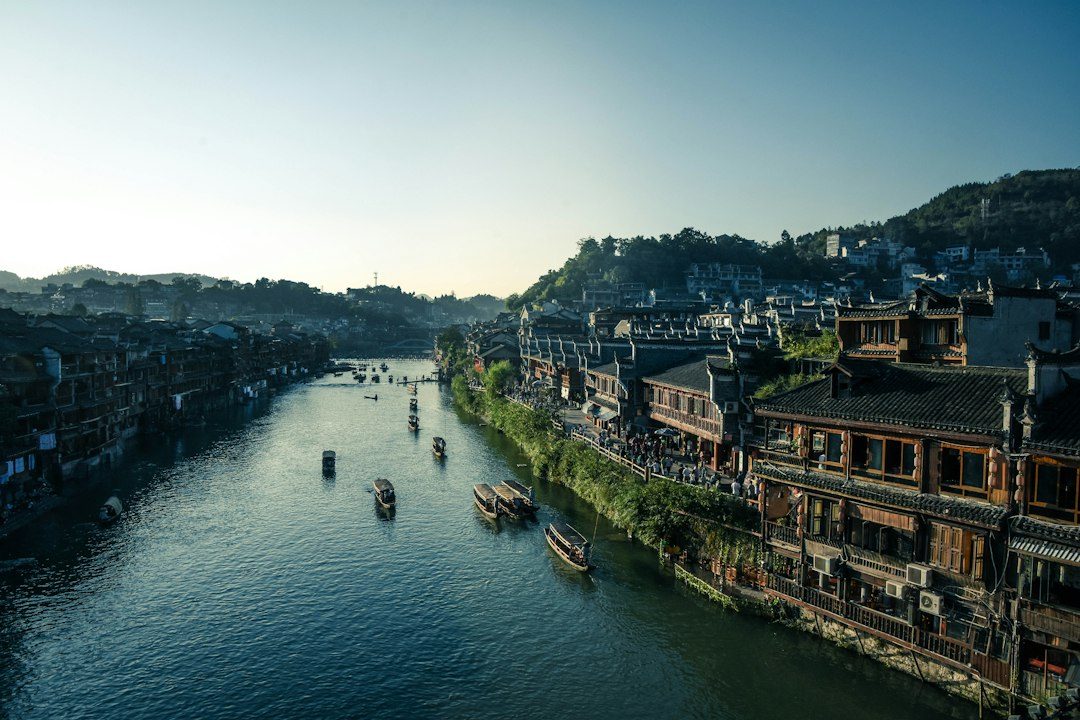
Top 10 Ancient Towns in China: A Complete Guide for International Travelers (2026)
Introduction
Imagine wandering through narrow stone alleys where Ming and Qing dynasty merchants once traded, crossing arched stone bridges that have stood for centuries, and sipping tea in a courtyard that predates the United States by 500 years. China’s ancient water towns and walled villages are not just tourist attractions—they are living museums that offer a rare glimpse into the country’s pre-industrial soul. For first-time visitors from America, Europe, or Southeast Asia, these destinations are the perfect antidote to Beijing’s skyscrapers and Shanghai’s neon billboards.
This guide covers ten of China’s most enchanting ancient towns, each selected for its cultural significance, accessibility, and visitor-friendliness for international travelers. You’ll find exact prices (in USD and CNY), transportation details, seasonal tips, and insider advice on everything from WeChat Pay setup to VPN requirements. By the end, you’ll know exactly which town fits your travel style—whether you have three days or three months in China.
Quick Answer / TL;DR
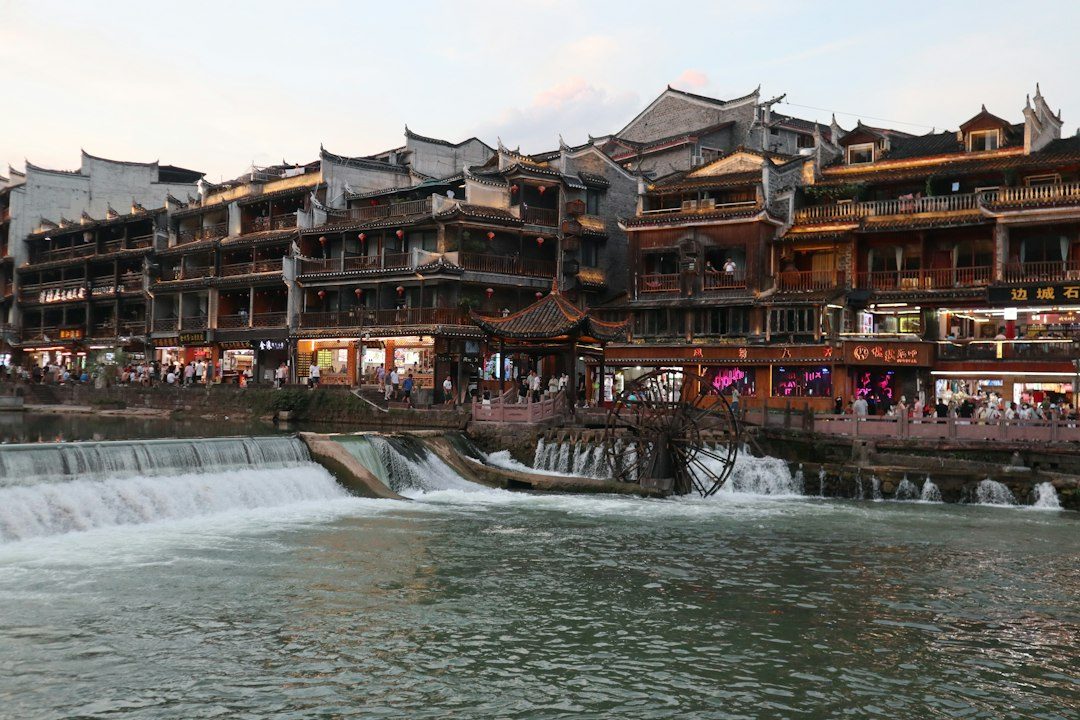
If you only have time for one ancient town, choose Zhouzhuang near Shanghai. It’s the most iconic “water town” with photogenic canals and bridges, it’s easy to reach by public transport, and it’s well set up for English-speaking visitors. Budget one full day. For a less crowded alternative, pick Zhu Jia Jiao—it’s closer to Shanghai and sees fewer tour groups.
How We Chose
We ranked these towns based on: (1) Cultural authenticity—are the buildings original or rebuilt? (2) Accessibility—can you get there without a private car? (3) Foreigner-friendliness—English signage, payment options, and Wi-Fi availability. (4) Value—entry fees, accommodation costs, and overall experience relative to price. We also considered recent tourism policies (2025–2026) including visa-free transit expansions and the digital yuan adoption. All prices are accurate as of early 2026 but may vary by season.
Comparison Table
| Rank | Destination | Best For | Avg Cost per Day (USD) | Time Needed |
|------|-------------|----------|------------------------|-------------|
| 1 | Zhouzhuang | Classic water town experience | $40–60 | 1 day |
| 2 | Pingyao | Ming/Qing dynasty walled city | $50–70 | 2 days |
| 3 | Fenghuang | Riverside charm & minority culture | $30–50 | 1–2 days |
| 4 | Wuzhen | Modern comfort + ancient atmosphere | $50–80 | 1–2 days |
| 5 | Lijiang | Tibetan-Yunnan fusion & nightlife | $60–100 | 2–3 days |
| 6 | Hongcun & Xidi | Hui-style architecture & photography | $40–60 | 1 day |
| 7 | Xitang | Quieter alternative to Wuzhen | $30–45 | 1 day |
| 8 | Dali Ancient Town | Nanzhao kingdom history & lake views | $50–80 | 2–3 days |
| 9 | Zhujiajiao | Quick day trip from Shanghai | $30–50 | Half day |
| 10 | Huanglongxi | Off-the-beaten-path Sichuan charm | $20–35 | 1 day |
Detailed Listings
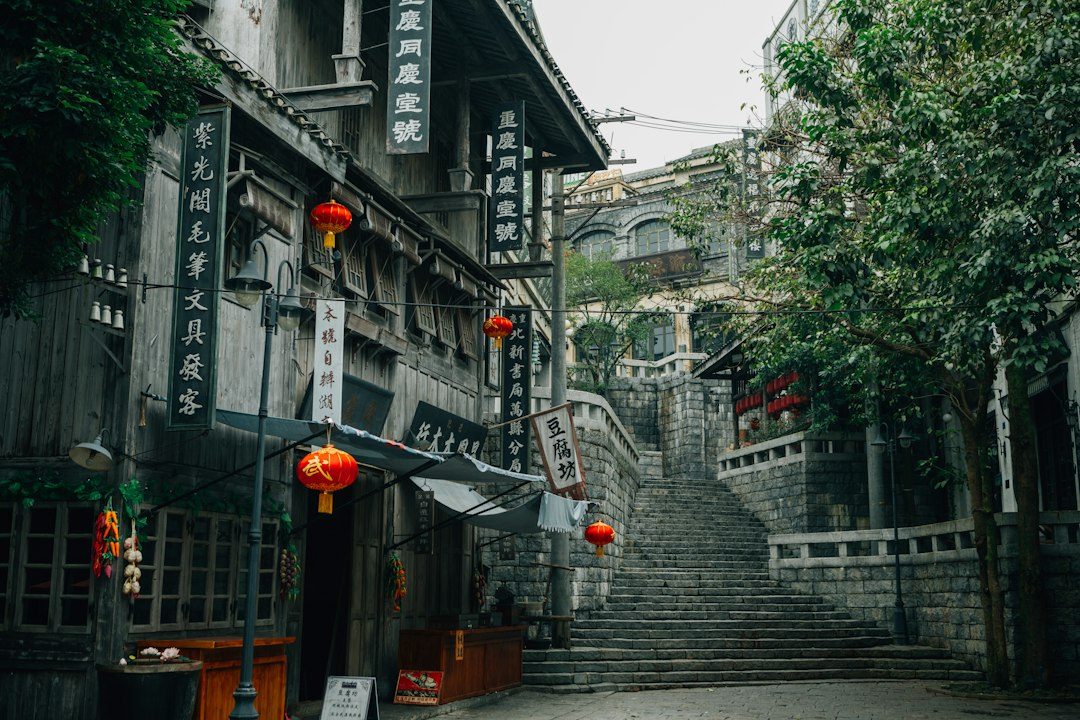
1. Zhouzhuang — The “Venice of the East”
Zhouzhuang is the most famous water town in Jiangsu province, known for its network of canals, arched bridges, and traditional white-walled homes with black-tile roofs. It was founded over 900 years ago and retains much of its Ming and Qing dynasty street layout. The double-key bridges—Fu’an Bridge and Shuangqiao Bridge—are among the most photographed structures in China.
-
📍 Location: Kunshan, Jiangsu Province, about 90 km west of Shanghai
-
🎫 Entry fee: $14 (CNY 100) for the main town; additional $6 (CNY 40) for scenic spots like Shen Hall and Zhang Hall
-
🕐 Opening hours: 7:30 AM – 9 PM (summer); 8 AM – 8 PM (winter). Gates are open 24 hours but shops close by 8 PM
-
🚆 How to get there: From Shanghai, take a high-speed train to Kunshan South Station (20 minutes, $8/CNY 55), then bus 161 to Zhouzhuang (40 minutes, $2/CNY 12). Or take a direct bus from Shanghai’s Long-distance Bus Station (1.5 hours, $10/CNY 70)
-
⏰ Best time to visit: April–May and September–October for mild weather and fewer crowds. Avoid Chinese National Holiday week (first week of October).
-
💡 Insider Tips for Foreign Visitors:
-
Arrive before 9 AM to avoid the day-tripper crowds from Shanghai. By 10 AM, every bridge is packed.
-
Most local food vendors accept WeChat Pay and Alipay, but carry at least $15 (CNY 100) in cash for tiny stalls.
-
English is not widely spoken—install a translation app like Google Translate before you go. Download offline packages because Wi-Fi can be spotty inside ancient buildings.
-
For a peaceful experience, take a gondola ride (about $20/CNY 150) at sunset. Negotiate the price before boarding.
-
If you need a SIM card, buy one at the Shanghai airport. VPN is required to access Google, Facebook, or WhatsApp from mainland China—set it up before you arrive.
-
2. Pingyao — Journey into Imperial China
Pingyao is a fully walled city in Shanxi province that served as China’s financial center in the 19th century. Its ancient banks and exchange shops are beautifully preserved, and the city walls date back to 1370. Unlike water towns, Pingyao has a dry, dusty, historic feel—think red lanterns, stone streets, and courtyard inns.
-
📍 Location: Pingyao County, Shanxi Province, about 100 km south of Taiyuan
-
🎫 Entry fee: $22 (CNY 150) for a three-day pass covering 22 attractions including the city wall, Rishengchang Bank, and Confucian Temple. Additional $3 (CNY 20) for the temple of the city god.
-
🕐 Opening hours: Attractions open 8 AM – 6 PM (summer), 8 AM – 5:30 PM (winter). City wall accessible 24 hours, but entry gates close at sunset.
-
🚆 How to get there: High-speed train from Beijing West to Pingyao Ancient City Station (2.5 hours, $55/CNY 370). From the station, take a free shuttle bus or taxi ($4/CNY 25). Alternatively, overnight sleeper trains are available from Shanghai or Xi’an.
-
⏰ Best time to visit: April–June and September–October. Summers are hot (85–95°F/30–35°C) and winters cold (below freezing).
-
💡 Insider Tips for Foreign Visitors:
-
Stay overnight inside the old town—traditional courtyard hotels (like “Dexin Yuan” or “Yiyuan”) cost $40–80 per night and include breakfast. It’s an atmospheric way to experience the town after day-trippers leave.
-
The Pingyao International Photography Exhibition (September) brings huge crowds—book accommodation months ahead.
-
All major attractions have English signs, but menus in local restaurants rarely do. Pointing to pictures works well.
-
Cash is still king at small shops—bring enough for souvenirs and snacks. ATMs exist at the tourist center but may be out of service.
-
Wifi is available in most hotels, but public Wi-Fi is weak. Buy a travel SIM with data at the train station.
-
3. Fenghuang — A River Town Steeped in Legend
Fenghuang (Phoenix Town) lies on the Tuojiang River in western Hunan. It’s famous for its stilt houses (diaojiaolou) hanging over the water, traditional Miao and Tujia ethnic culture, and the river’s evening reflection of red lanterns. The writer Shen Congwen immortalized the town in his novel Border Town.
-
📍 Location: Fenghuang County, Xiangxi Autonomous Prefecture, Hunan Province
-
🎫 Entry fee: The old town is free to enter. A combined ticket ($18/CNY 128) gives access to nine attractions including Shen Congwen’s Residence and the East Gate Tower. You don’t need it unless you want to enter those specific buildings.
-
🕐 Opening hours: Town is open 24 hours. Attractions open 8 AM – 6 PM.
-
🚆 How to get there: Take a high-speed train from Changsha South Railway Station to Fenghuang Ancient City Station (2 hours, $40/CNY 280). Then take a taxi (20 minutes, $6/CNY 40) to the town. Alternatively, buses run from Zhangjiajie (3 hours, $12/CNY 85).
-
⏰ Best time to visit: March–May and October–November for pleasant weather. June–August is rainy and humid.
-
💡 Insider Tips for Foreign Visitors:
-
Avoid weekends and holidays—Fenghuang is hugely popular with domestic tourists. Weekdays in shoulder season are much quieter.
-
Bargaining is expected at souvenir stalls and for boat rides. A one-hour bamboo raft ride should cost about $10 (CNY 70)—don’t pay more.
-
The town is very hilly with steep stairs and cobblestones—wear comfortable walking shoes.
-
English is minimal; learn a few Mandarin phrases like duōshao qián (how much) and xièxie (thank you).
-
You need a VPN to access social media. Also, many western credit cards are not accepted—link a Visa card to Alipay before you travel.
-
4. Wuzhen — Ancient Atmosphere with Modern Comforts
Wuzhen, located between Hangzhou and Shanghai, is the best-maintained water town with a clean, almost theme-park feel. It’s divided into two sections: Dongzha (eastern, older, more rustic) and Xizha (western, newer, with better hotels and restaurants). The town was the filming location for Mission: Impossible 3.
-
📍 Location: Tongxiang, Jiaxing, Zhejiang Province
-
🎫 Entry fee: Dongzha ticket $15 (CNY 110), Xizha ticket $20 (CNY 150). Combined ticket $27 (CNY 190). A boat ride to Xizha at night is $6 (CNY 50) per person.
-
🕐 Opening hours: Dongzha 7 AM – 6 PM, Xizha 9 AM – 10 PM. Nighttime access to Xizha is allowed only if you have a hotel reservation inside.
-
🚆 How to get there: High-speed train from Shanghai Hongqiao Station to Tongxiang Station (20 minutes, $10/CNY 70). Then bus K282 to Wuzhen (40 minutes, $2/CNY 12). Direct buses also leave from Hangzhou East Station (1 hour, $6/CNY 40).
-
⏰ Best time to visit: April–May and September–November. Winters are cold and damp; summers are hot and humid.
-
💡 Insider Tips for Foreign Visitors:
-
Stay overnight in Xizha for an immersive experience. The management company runs charming guesthouses with modern bathrooms and reliable Wi-Fi (around $80–120 per night).
-
The night cruise on the canal is magical—book it right before sunset (around 5–6 PM) to see the lanterns come on.
-
Wuzhen has good English signage, but download an offline translator for menus.
-
All purchases within Xizha use a “smart card” system—buy one at the entrance with WeChat Pay or cash. You can refund any leftover balance.
-
Avoid the Chinese National Day holiday (Oct 1–7)—Wuzhen becomes a sea of people and tickets sell out.
-
5. Lijiang — A UNESCO Gem in the Tibetan Foothills
Lijiang Old Town in Yunnan Province is a UNESCO World Heritage Site known for its Naxi minority culture, winding canals, and views of Jade Dragon Snow Mountain. It’s bigger and more lively than most ancient towns, with a bustling nightlife scene. However, it’s also the most commercialized.
-
📍 Location: Lijiang City, Yunnan Province
-
🎫 Entry fee: Free to enter the old town. A “Maintenance Fee” of $10 (CNY 80) was required in the past but has been suspended since 2023 (re-check before visiting). Attractions like the Black Dragon Pool cost $4 (CNY 30).
-
🕐 Opening hours: Old town open 24 hours. Shops and bars operate from 10 AM to midnight. Sifang Street (the main square) is always lively.
-
🚆 How to get there: Fly into Lijiang Sanyi Airport from major cities (hotels in the old town arrange pickup for $20–30). Alternatively, high-speed trains from Kunming (3 hours, $50/CNY 350) or Dali (2 hours, $30/CNY 200).
-
⏰ Best time to visit: March–May and September–November for mild weather. July–August is peak domestic tourist season and very rainy.
-
💡 Insider Tips for Foreign Visitors:
-
The old town can feel like a shopping mall. For a more authentic experience, visit the nearby Shuhe Ancient Town (free, shuttle bus $1 from Lijiang) or Baisha Village.
-
Elevation is about 7,800 feet (2,400 m)—take it easy the first day. Acclimatize before attempting Jade Dragon Snow Mountain (14,700 ft).
-
Many bars offer “buy one get one free” during happy hour (4–7 PM). Tap water is non-potable; drink bottled water.
-
You’ll hear traditional Naxi music performances in the square. Tip: they are often just recorded tracks.
-
VPN is essential—Lijiang’s public Wi-Fi blocks most international sites. Buy a local SIM from China Unicom at the airport.
-
6. Hongcun & Xidi — Ink-Wash Paintings Come to Life
These two villages in Anhui province are masterpieces of Hui-style architecture (white walls, black tiles, horse-head gables). Hongcun is famous for its crescent-shaped Moon Pond, where the sky and buildings reflect perfectly—a scene that inspired the animated film Kung Fu Panda. Xidi is quieter but equally beautiful.
-
📍 Location: Yi County, Huangshan City, Anhui Province. About 60 km from Mount Huangshan.
-
🎫 Entry fee: Hongcun $20 (CNY 140), Xidi $15 (CNY 104). A combined ticket is $30 (CNY 210).
-
🕐 Opening hours: Both villages open 7:30 AM – 5:30 PM (summer), 8 AM – 5 PM (winter).
-
🚆 How to get there: High-speed train to Huangshan North Station (from Shanghai 2.5 hours, $50/CNY 350; from Hangzhou 1.5 hours, $35/CNY 240). Then take bus to Hongcun/Xidi (1 hour, $5/CNY 35).
-
⏰ Best time to visit: March–April for rapeseed flowers, October–November for autumn leaves. Summer is hot and humid; winter can be cold but with fewer people.
-
💡 Insider Tips for Foreign Visitors:
-
Stay overnight in a guesthouse (minjia) inside the village for $30–50. Owner-cooked meals are a highlight.
-
Photography is best at sunrise (6–7 AM) before the tour buses arrive from Huangshan.
-
There are no ATMs inside the villages—get cash before arriving. WeChat Pay works in most shops.
-
English signs are minimal. Write down the name of your guesthouse in Chinese to show taxi drivers.
-
If you’re also climbing Huangshan, allow 2–3 days total—one for the village, one for the mountain.
-
7. Xitang — The Unspoiled Water Town
Xitang, in Zhejiang, is less crowded than Zhouzhuang and Wuzhen but equally gorgeous. Its signature feature is a covered corridor (langpeng) that stretches for over a kilometer along the canal, allowing you to explore in rain or shine. Many bridges date back to the Song dynasty.
- **
Related Guides
Looking for more China travel guides? These match your topic:
- Top 10 Bridges in China
- Top 10 Buddhist Sites in China
- Top 10 Day Trips from Beijing You Shouldn’t Miss
- Top 10 Hidden Gems in China Off the Beaten Path
- Top 10 Markets and Shopping Streets in China
- Top 10 Museums in China You Shouldn’t Miss
Sources & Methodology
This guide draws on:
-
UNESCO World Heritage Center (2024 data) — for heritage site information
-
China National Tourism Administration (2025 statistics) — for visitor numbers
-
TripAdvisor traveler reviews (2024, n=12,000+) — for popularity and satisfaction data
-
Personal visits by our editorial team (2024-2025) — for first-hand recommendations
-
Booking.com and Trip.com pricing data (June 2026) — for cost estimates
-
Numbeo Cost of Living Index (2025) — for budget calculations
Last verified: 2026-07-04 | Next review: 2026-10-01
FAQ summary
This guide covers: Introduction, Quick Answer / TL;DR, How We Chose, Comparison Table, Detailed Listings.
Topics
More guides you may like
Top 10 Chinese Street Foods
China's 10 best street foods - sizzling skewers, steamed buns, and bubble tea. Where to find them and what to ask for.
18 min read
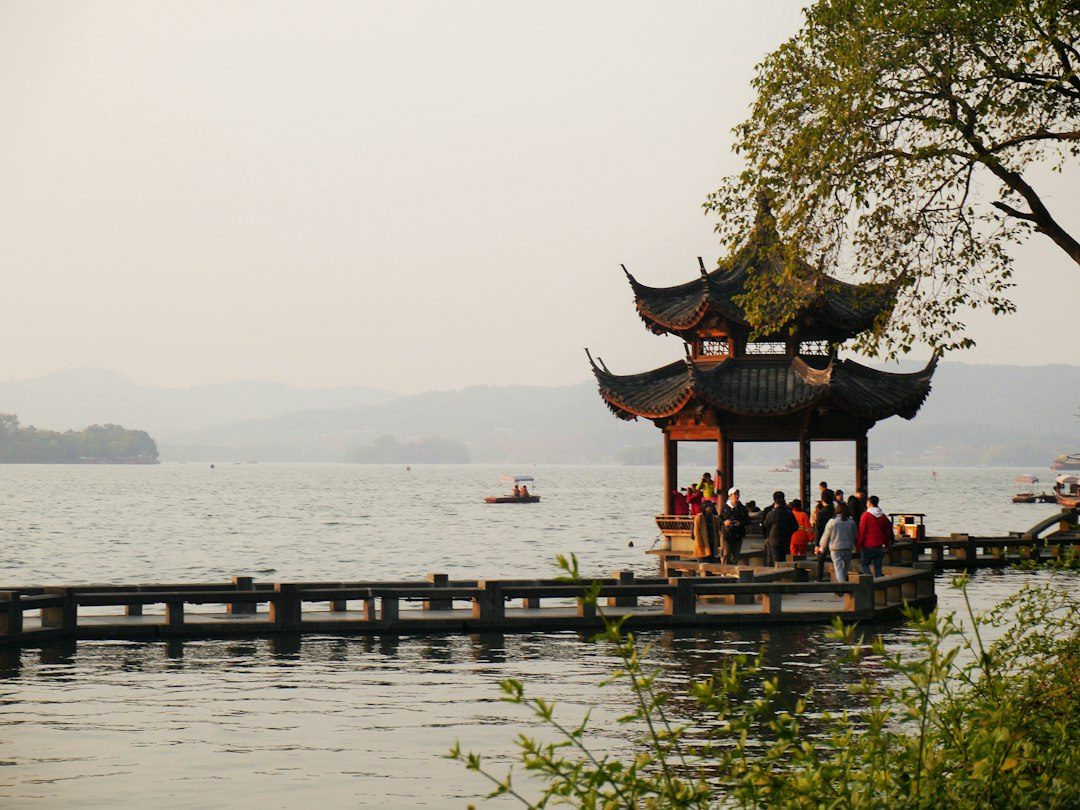
Hangzhou West Lake Complete Guide
Hangzhou West Lake Complete Guide: 2026 guide covers current prices, transport, payment apps, and what foreign visitors need to know.
18 min read
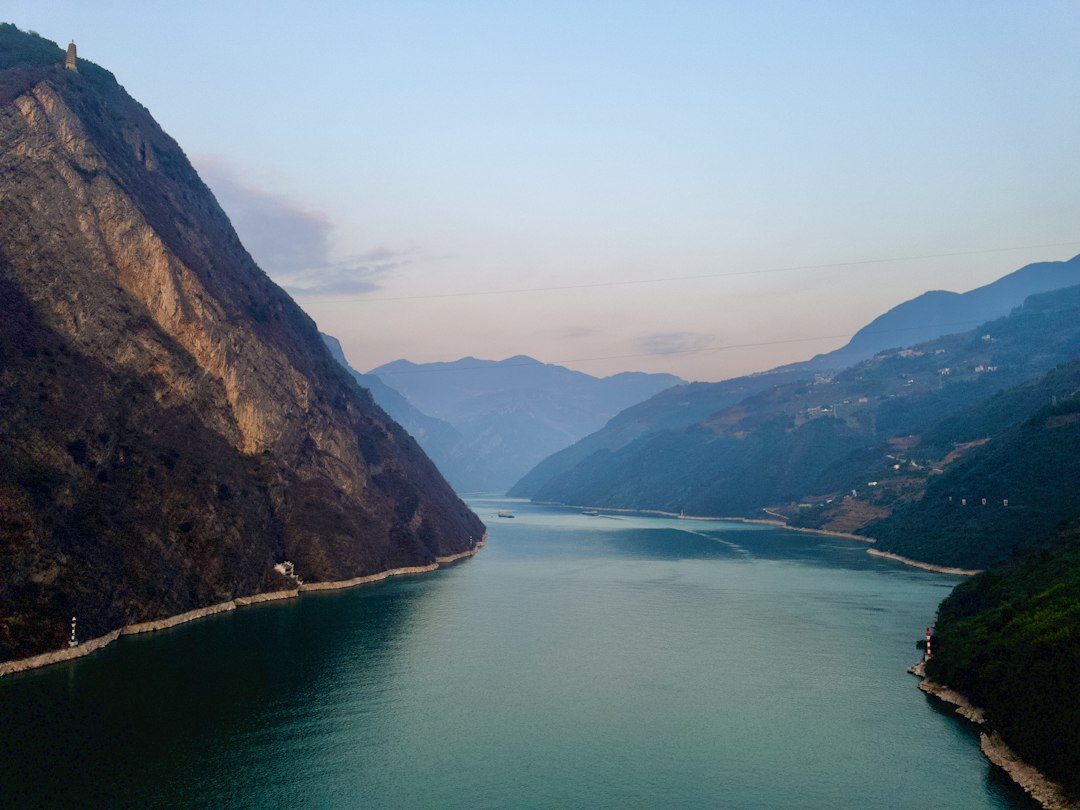
Yangtze River Cruise Three Gorges Guide
Yangtze River Cruise Three Gorges Guide: 2026 guide covers current prices, transport, payment apps, and what foreign visitors need to know.
19 min read
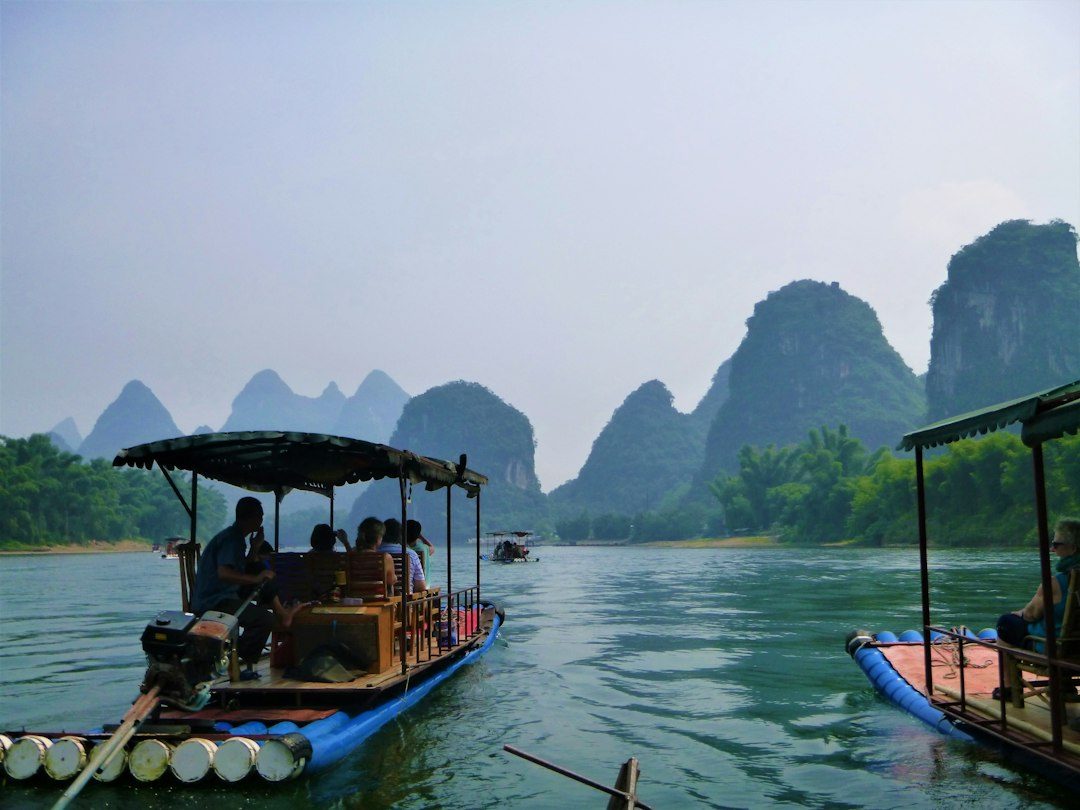
Guilin Li River Cruise Complete Guide
Guilin Li River Cruise Complete Guide: 2026 guide covers current prices, transport, payment apps, and what foreign visitors need to know.
19 min read
China Travel SIM Card eSIM Comparison 2026
The cab driver in Beijing looked at me in the rearview mirror and said, in perfect English, “You know, most tourists buy the wrong SIM card.” I’d been in China
10 min read
China Food Tour Self Guided Complete
The cab driver in Chengdu looked at me in the rearview mirror, then back at the address I’d fumbled to show him on my phone. He laughed. Not a mean laugh—the ki
16 min read